SpaceX's next astronaut launch for NASA now set for Oct. 1 after delay
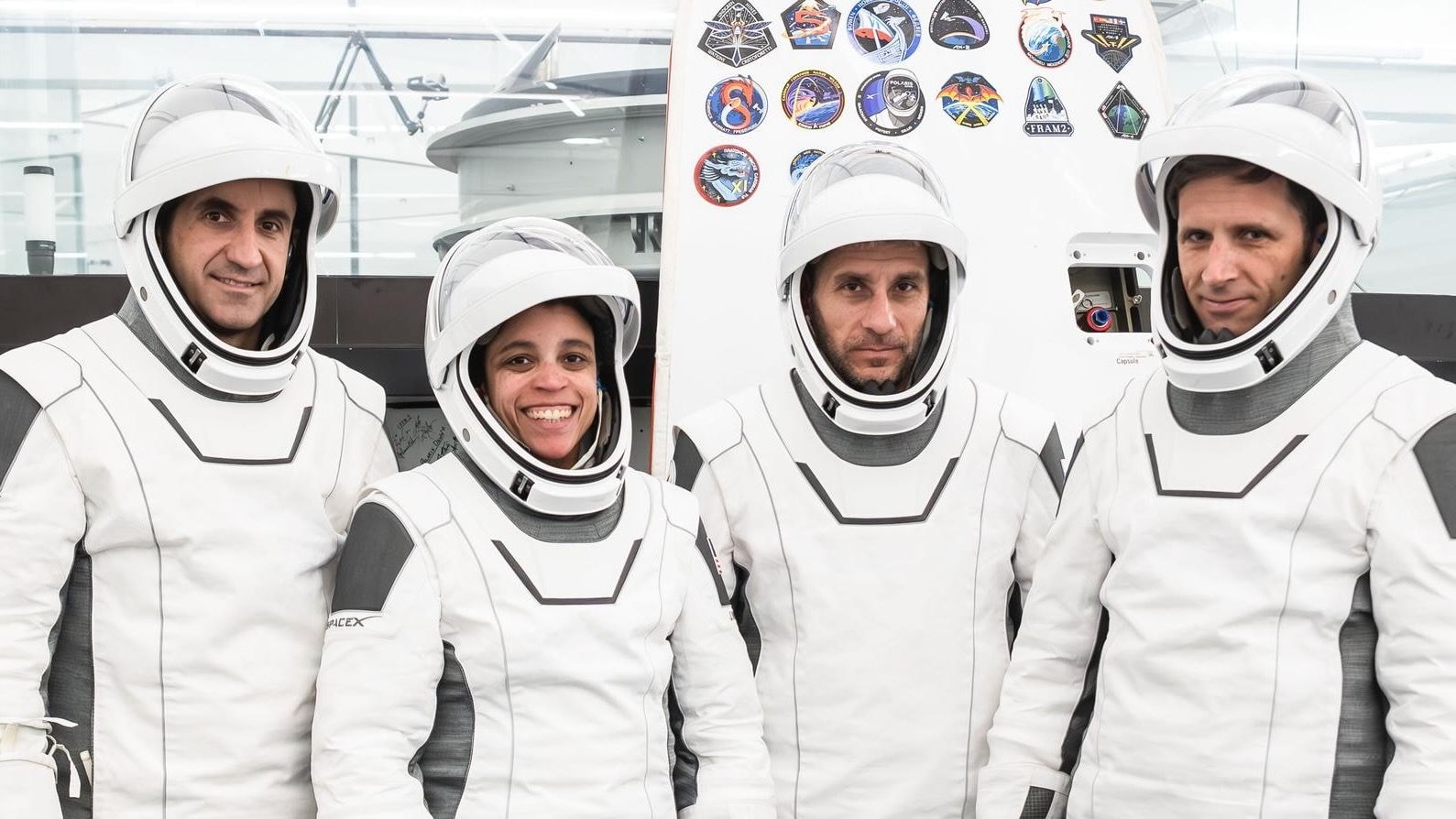
- SpaceX rescheduled the Crew-13 astronaut launch to the International Space Station for Oct. 1.
- The mission was delayed from its original Sept. 12 target date due to a leak discovered on the Dragon spacecraft.
- This delay pushes back the timeline for rotating crew members and delivering supplies to the orbiting laboratory.
Sources & Citations
1 sourceMore Stories
Could comet 3I/ATLAS teach us about life beyond Earth? Scientists say the story's not over yet.
• Scientists analyzed the interstellar object 3I/ATLAS to determine if it contains evidence of extraterrestrial life. • This object is only the third interstellar visitor ever discovered by researchers.
Read original · livescience.com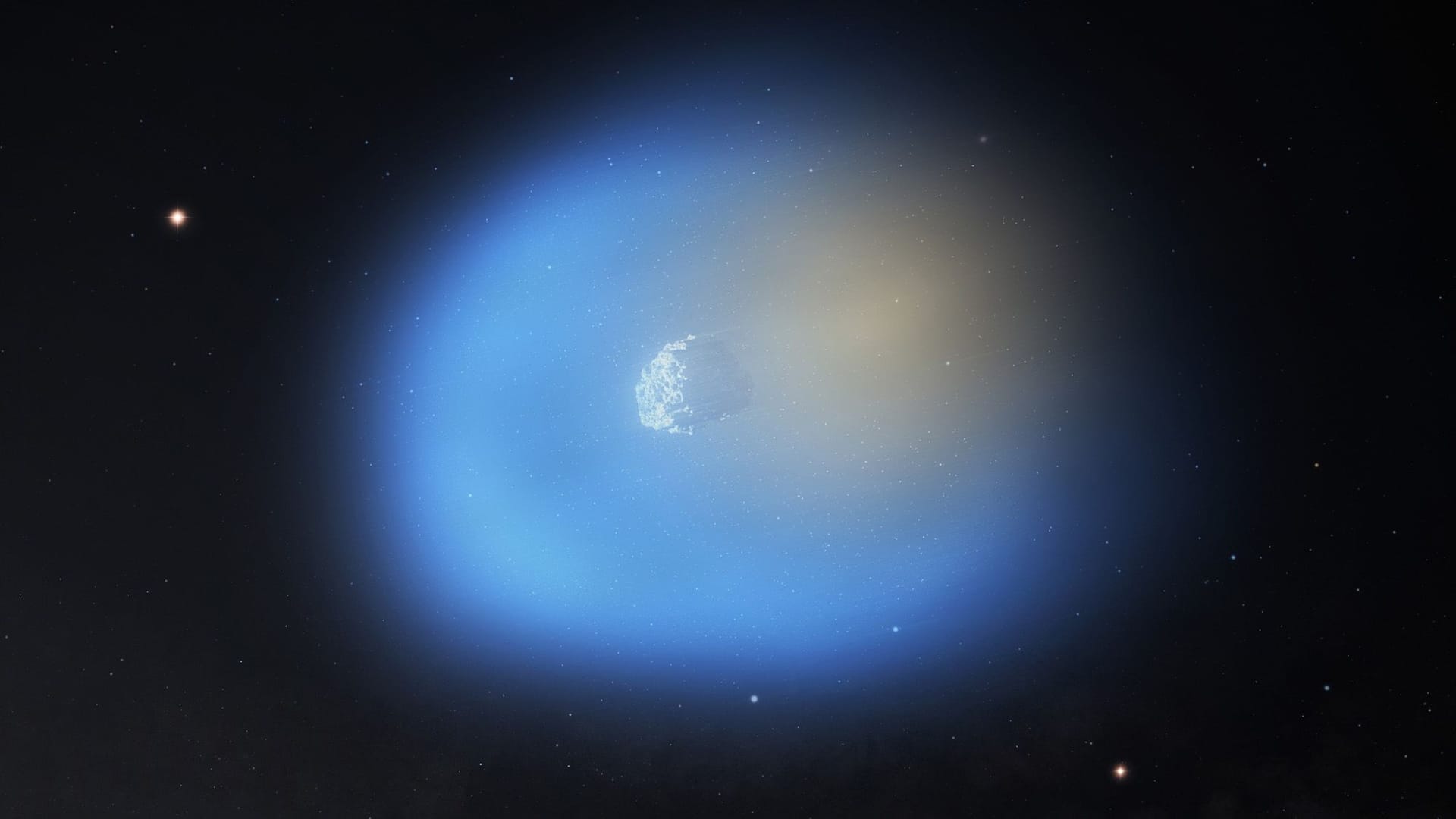 Live Science
James Webb Space Telescope finds water near our nearest supermassive black hole
• The James Webb Space Telescope has made new observations near Sagittarius A*, our nearest supermassive black hole, revealing water in the area. • The discovery provides a unique glimpse into the environment surrounding a supermassive black hole, with the James Webb Space Telescope capturing detailed data about the region.
Read original · space.com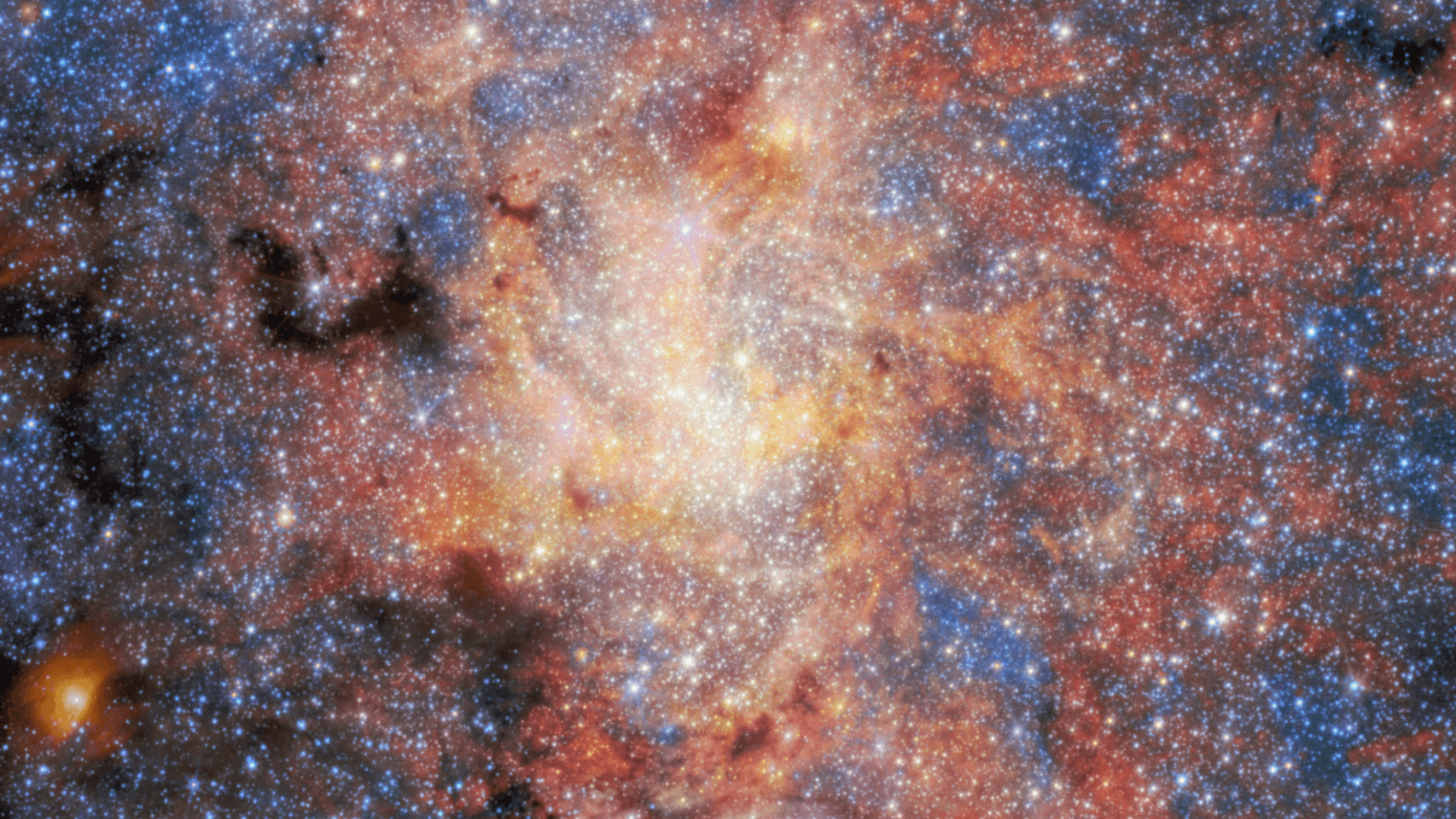 Space.com
Paste article text here for expert scientific blog titles. – ICO Optics
• Researchers around the globe utilize advanced tools, including specialized microscopes, to push the boundaries of what we can observe and drive scientific innovation. • The use of high-end laboratory setups with specialized microscopes allows for the examination of cellular structures with unprecedented clarity, relying on meticulous experimentation and peer review.
Read original · ico-optics.org ICO Optics
Nancy Grace Roman Space Telescope test images - Boing Boing
• NASA activated the 300-megapixel camera on the Nancy Grace Roman Space Telescope and received the first test images, which are currently out of focus due to ongoing testing and calibration. • The camera's initial images are part of the process to prepare the telescope for its scientific mission, with a goal of capturing high-quality images to aid in discoveries about planets and dark energy.
Read original · boingboing.net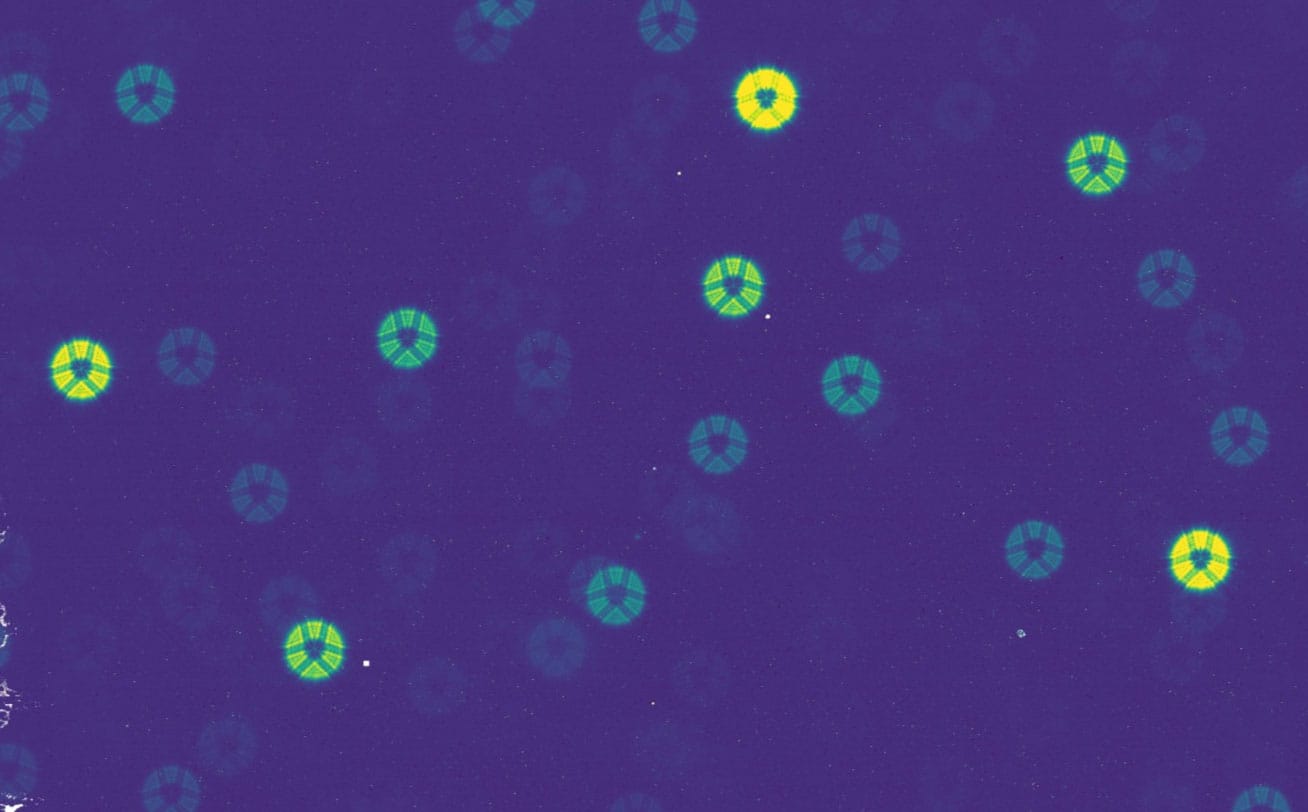 Boing Boing
Meet Wolf Cukier, the 17-year-old New York student who, on the third day of a NASA Goddard internship in 2019, spotted a planet 6.9 times the size of Earth circling two stars 1,300 light-years away roughly every 95 days, the first of its kind NASA's TESS had ever found - ScienceBlog.com
• Wolf Cukier, a 17-year-old New York student, discovered a planet circling two stars 1,300 light-years away on the third day of his NASA Goddard internship in 2019. • The planet, called TOI 1338, is about 6.9 times the size of Earth and orbits its two stars every 95 days, with one star being about 10 percent more massive than our sun and the other being cooler and dimmer.
Read original · scienceblog.com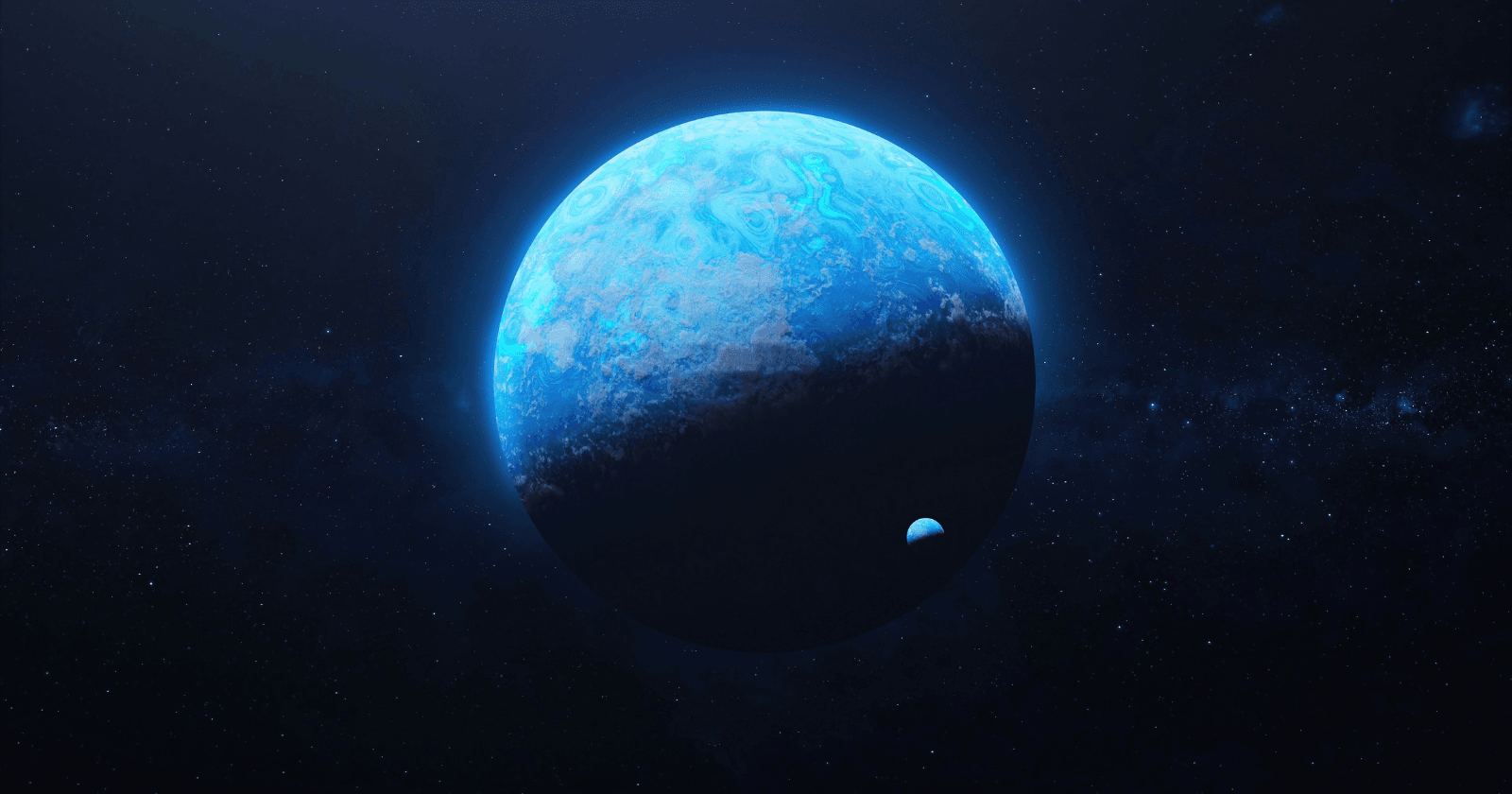 ScienceBlog
Latest Scientific Breakthroughs Revealed by Expert Researchers Today – ICO Optics
• Leading global researchers have revealed the latest scientific breakthroughs, exploring cutting-edge methodologies and their profound implications. • The discoveries, brought to light by expert researchers, continuously reshape our understanding of the universe, introducing new ideas and perspectives.
Read original · ico-optics.orgICO OpticsNASA’s New $4 Billion Space Telescope Just Saw Starlight for the First Time. Here’s What It Saw
• NASA's new $4 billion space telescope, Roman, has seen starlight for the first time, joining Hubble and Webb as Earth's eyes in space to explore the universe. • The Roman telescope's first observation is a significant milestone, with the telescope costing $4 billion to develop and launch, indicating a major investment in space exploration.
Read original · gizmodo.com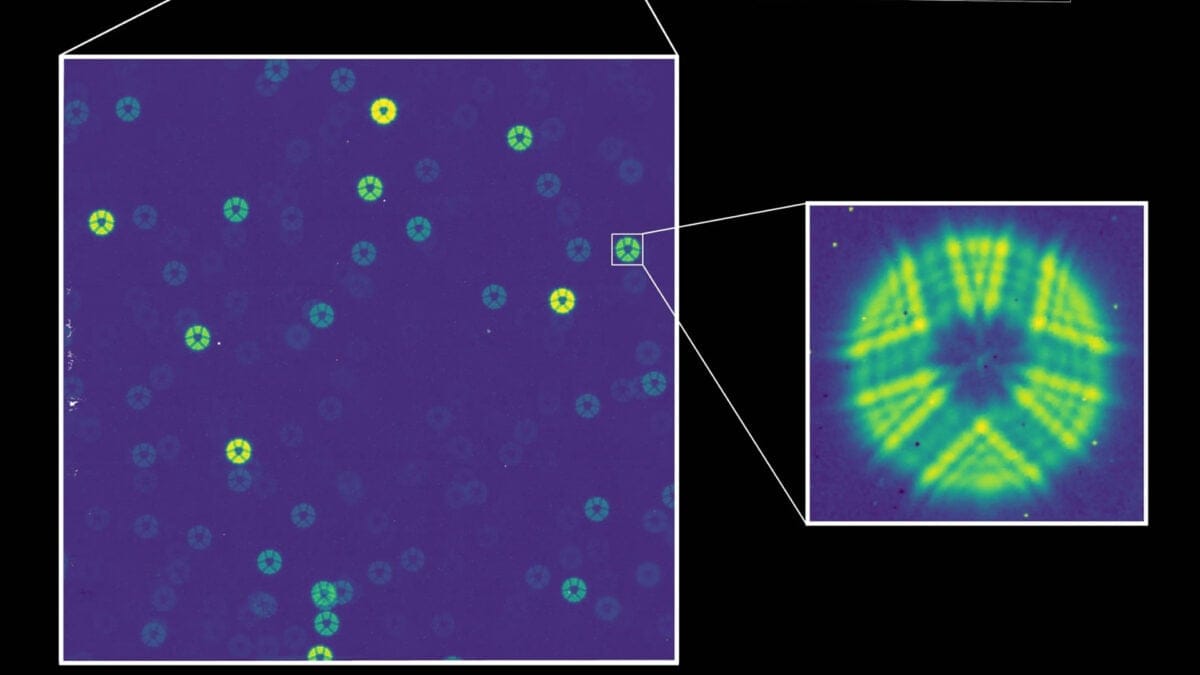 Gizmodo
NASA’s Roman Space Telescope could last more than twice as long as planned
• NASA's Roman Space Telescope may now have enough fuel for at least 22 years of science, more than double its original 10-year design life. • The telescope's extended lifespan is due to an extremely precise course correction, extra fuel at launch, and additional expected savings, which could keep it operational for decades.
Read original · sciencedaily.com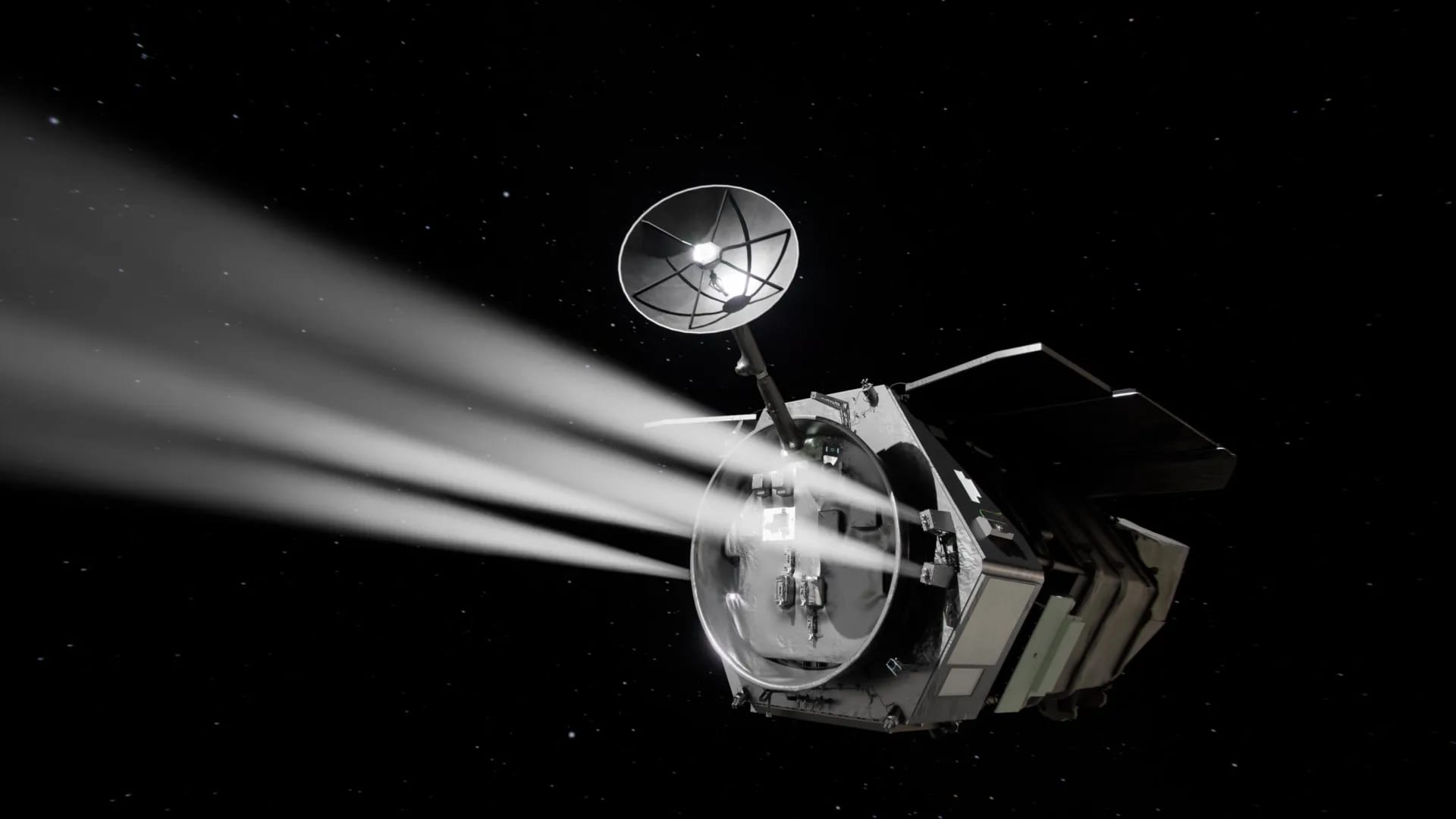 ScienceDaily
Scientists find weird exoplanet that orbits its star in the wrong direction
• Scientists have discovered an exoplanet called GJ 3090 b that orbits its star in the opposite direction to the star's rotation. • The planet's orbit is highly misaligned, with the researchers expressing surprise at its retrograde orbit, which means it moves around its star in the wrong direction.
Read original · space.com Space.com
Space Is Scary AF, Here Are 11 Unbelievable Space Facts That Hurt My Head
• Astronomers are sharing mind-blowing facts about space, including how we can view distant galaxies as they existed millions of years ago. • Eratosthenes, an ancient Greek scientist, calculated the size of the Earth using shadows and was less than 1% off, demonstrating early understanding of the planet's dimensions.
Read original · buzzfeed.com3I/ATLAS Has An Extreme Taste For Heavy Water - Universe Today
• Astronomers discovered 3I/ATLAS, the third known interstellar visitor, in July 2025. • Powerful observatories found that the object contains peculiar isotopes, which are different versions of chemical elements.
Read original · universetoday.com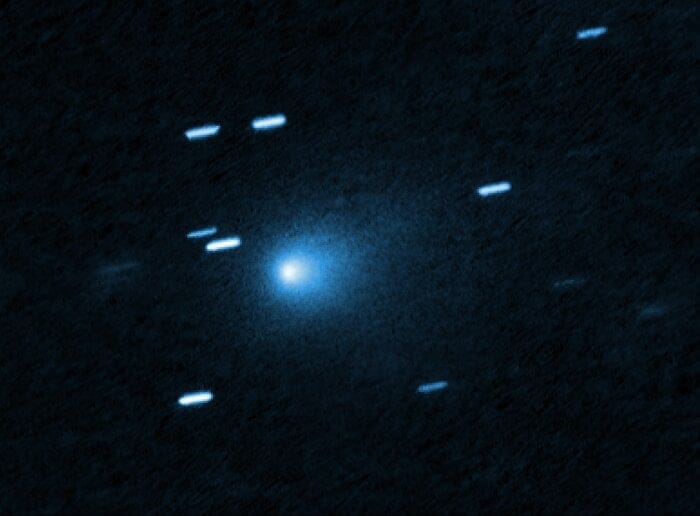 Universe Today