The best new popular science books of September 2026 include new titles by Carlo Rovelli and Xand van Tulleken

- Major science authors including Carlo Rovelli, Xand van Tulleken, Maggie Aderin, and Jim Al-Khalili released new popular science books in September 2026.
- The month's new releases also feature a new biography of physicist Stephen Hawking.
- These publications provide general readers with updated insights from leading experts in physics, virology, and chemistry.
Sources & Citations
1 sourceMore Stories
Scientists study 3,000 supernovas and discover that dark energy may be evolving
• Scientists analyzed a catalog of nearly 3,000 type Ia supernovas, which occur when white dwarf stars explode after absorbing too much matter from companion stars. • The study found evidence that dark energy may evolve over time rather than remaining fixed, challenging the standard model of cosmology.
Read original · space.com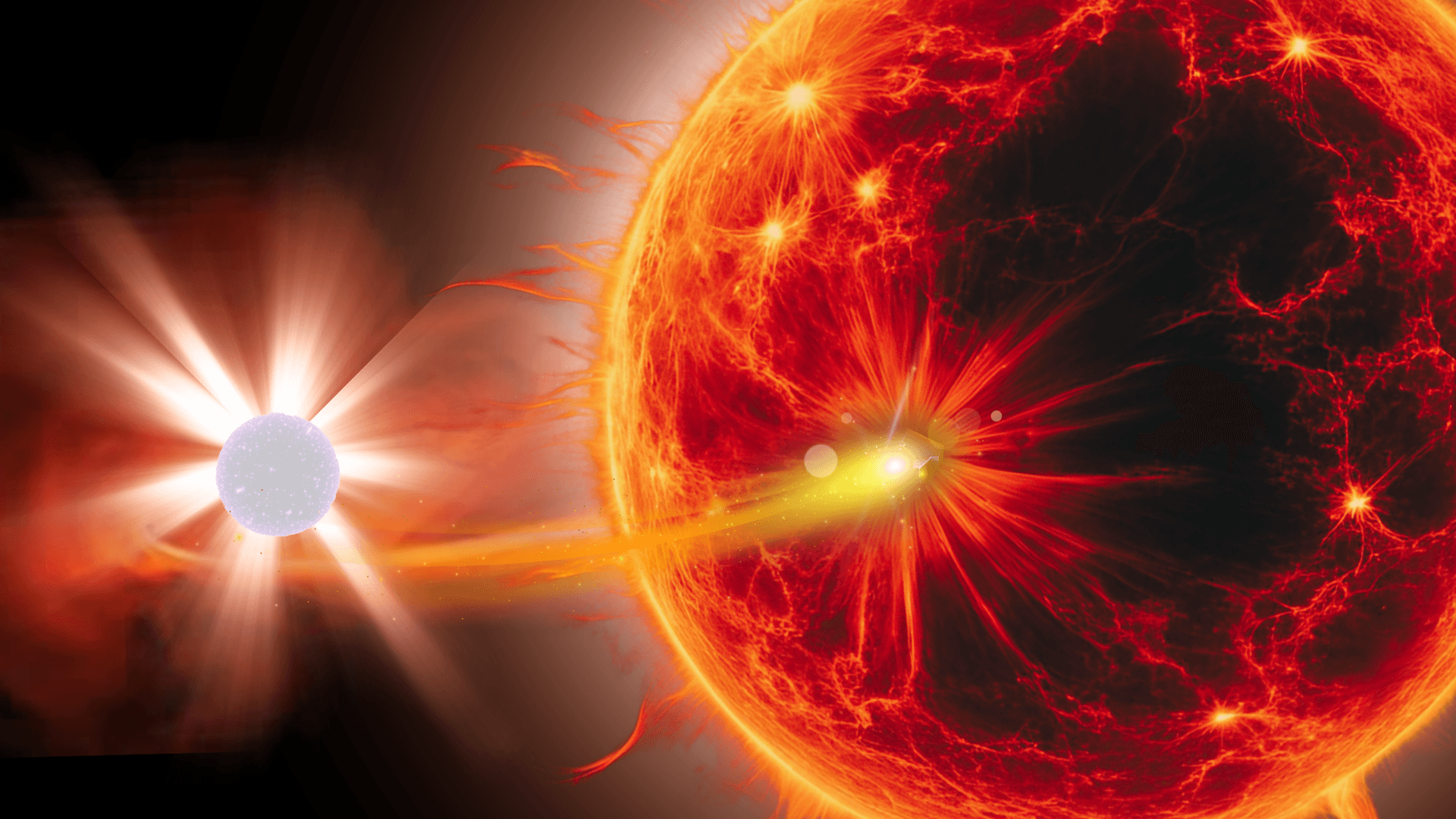 Space.com
Astronomers Discover "CO-Dark" Hydrogen Cloud Eos Just 300 Light-Years Away - Newsy Today
• Astronomers discovered a massive molecular cloud named Eos located approximately 307 light-years from the Sun. • Models indicate the cloud is undergoing photoevaporation, a process where radiation strips away gas, over a timescale of about 5.7 million years.
Read original · newsy-today.com Newsy Today
On this day in space! Sept. 6, 1947: The US Navy launches 1st V-2 rocket at sea in ballistic missile test
• The US Navy launched its first V-2 rocket from a ship at sea on September 6, 1947, as part of a ballistic missile test. • Although the specific test was unsuccessful, it proved that Navy ships could serve as floating launch pads for ballistic missiles.
Read original · space.com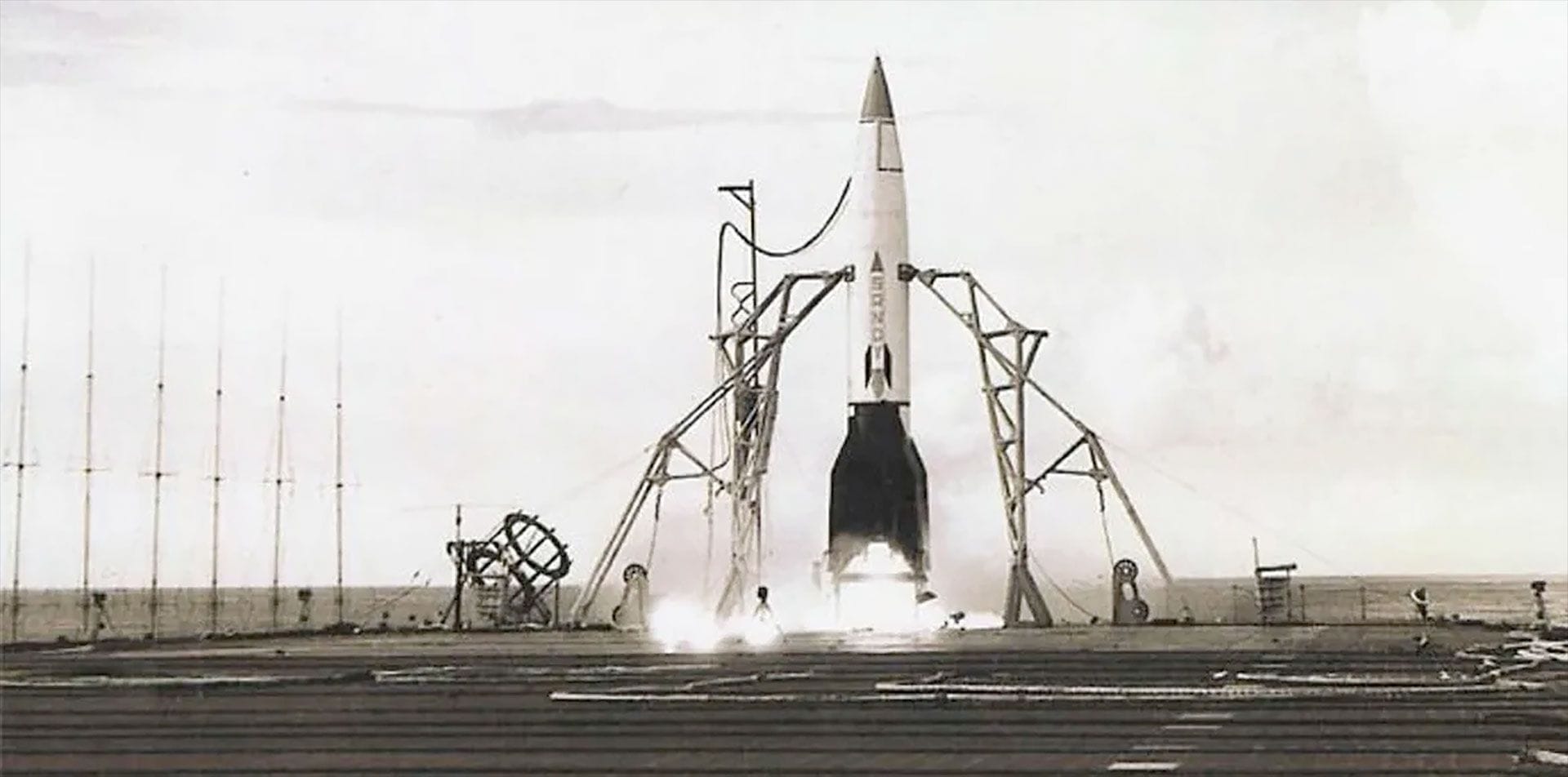 Space.com
Physicists just found a tiny glitch in time itself
• Physicists have discovered a tiny glitch in time itself, which may imply a fundamental uncertainty in measuring time, according to unconventional quantum theories. • The effect, supported by research from the Foundational Questions Institute, suggests that quantum collapse models could have surprising consequences for the nature of time and the precision of clocks.
Read original · sciencedaily.com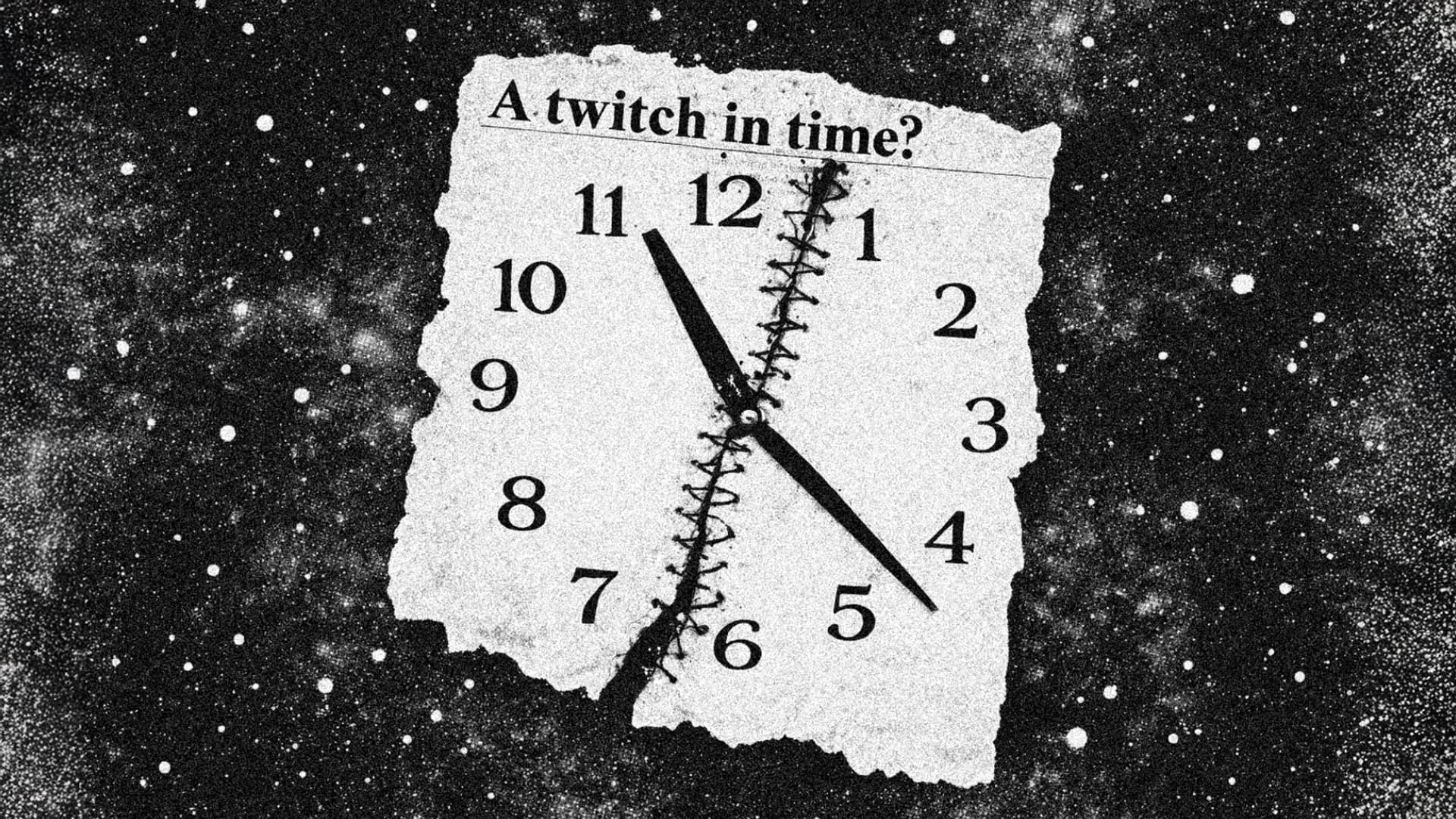 ScienceDaily
Expedition 75 Works on Science Hardware, Spacesuits, and Crew Filming - NASA
• The Expedition 75 crew performed science hardware maintenance and spacesuit upkeep aboard the International Space Station on Thursday. • One crew member disconnected and stowed physics hardware used for crystal growth research inside the Destiny Microgravity Science Glovebox.
Read original · nasa.gov NASA
NASAJames Webb Space Telescope reveals surprises about objects beyond Neptune
• NASA's James Webb Space Telescope and the Hubble Space Telescope recently completed a census of dozens of small, icy worlds located in the Kuiper Belt beyond Neptune. • The telescopes analyzed these distant objects to gather data on the composition and distribution of early planet formation materials.
Read original · mashable.com Mashable
Hubble and Webb Team Up to Spy Tiny Frozen Worlds beyond Neptune
• Astronomers combined the Hubble and Webb space telescopes for the first time to search for small, faint frozen objects in the outer Solar System. • The team focused their search on tiny worlds located beyond the orbit of Neptune.
Read original · sci.newsNASA’s Hubble, Webb Find Far-out Solar System Objects ‘Remember’ Past - NASA Science
• NASA scientists used the Hubble and James Webb Space Telescopes to study Trans-Neptunian Objects, which are icy bodies located beyond the orbit of Neptune. • The research focused on how these distant solar system objects retain chemical or physical signatures that reflect their past environments.
Read original · science.nasa.govNASA found a strange cosmic object that may explain how black holes become supermassive
• NASA's Chandra X-ray Observatory discovered a rare cosmic object 11.8 billion light-years away that emits X-rays. • This object is a "little red dot," a type of compact galaxy that typically does not shine in X-rays despite being powered by a black hole.
Read original · earth.com Earth.com
Microscopic fragments of ancient alien tech may litter the moon — and scientists have a plan to find them
• Researchers propose that microscopic fragments of technology from extinct alien civilizations may have landed on the moon after traveling through interstellar space. • The team claims that these tiny technological remnants could be identified and found in a relatively short amount of time.
Read original · livescience.com Live Science
Strange 'fast radio bursts' across the universe could help solve major cosmic mysteries: 'It's only the beginning'
• Astronomers are using fast radio bursts, which are intense pulses of radio waves from deep space, to investigate the nature of dark matter and dark energy. • Researchers have established that these bursts serve as a leading probe for mapping how matter is distributed across the universe.
Read original · space.com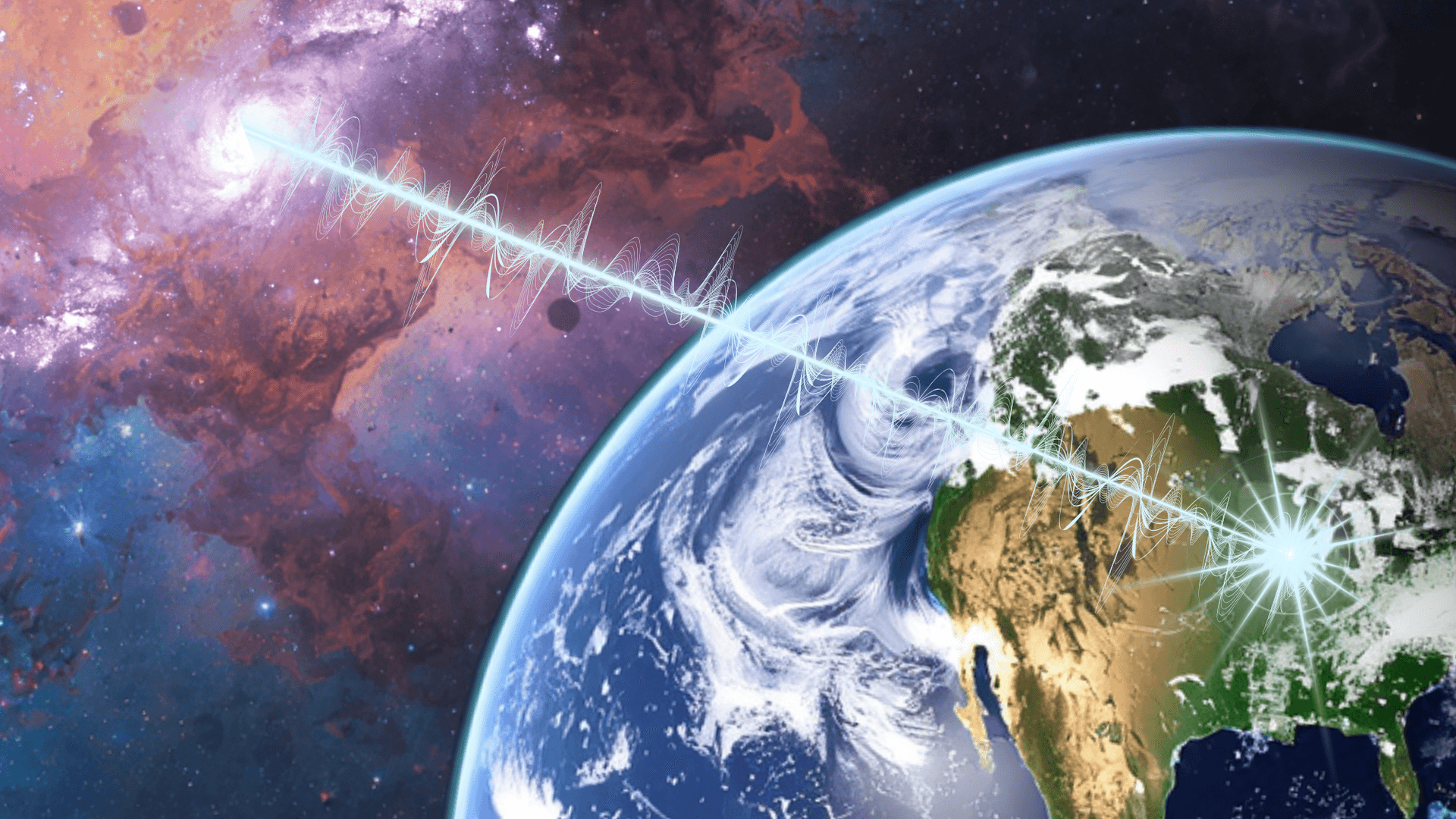 Space.com