The James Webb Telescope's Greatest Discoveries: What We…
- The James Webb Space Telescope captured light from the first galaxies formed 13.5 billion years ago to study the early universe.
- These findings challenge existing cosmological models, which are the mathematical frameworks used to explain the origin and evolution of the universe.
- The mission's discoveries provide new opportunities for growth within Pakistan's scientific research and information technology sectors.
Sources & Citations
1 sourceMore Stories
Global warming is breaking a 400-year climate link between two oceans
• Scientists have discovered that the long-standing climatic link between the Indian and Pacific oceans is breaking down due to human-caused global warming. • Ancient climate records indicate that while volcanic eruptions disrupted this relationship in the past, the current shift is exceptional and driven by rising temperatures.
Read original · sciencedaily.com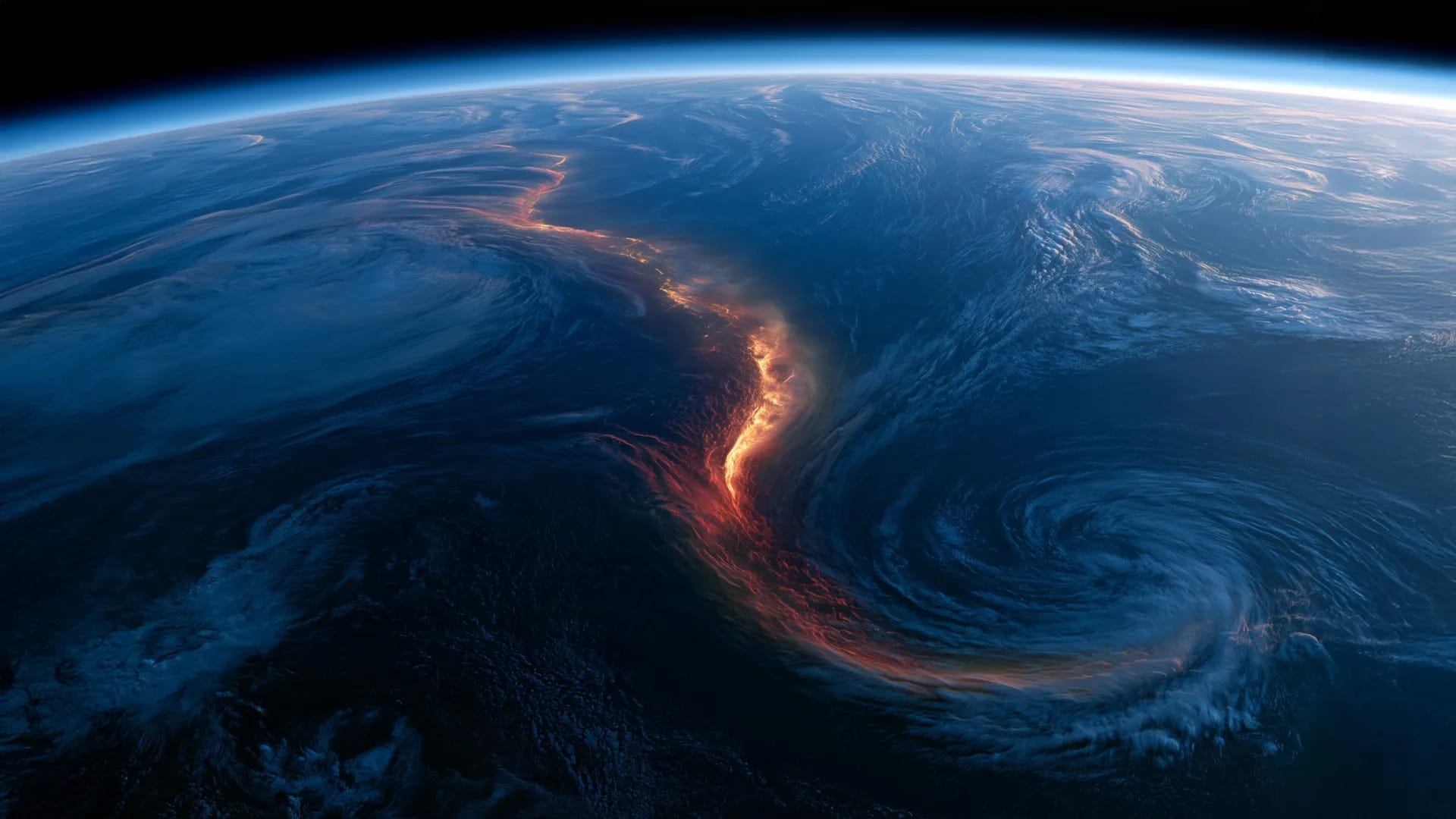 ScienceDaily
On this day in space! Sept. 16, 1949: A US launch of a V-2 rocket explodes, killing its monkey passenger Albert III
• The United States launched a V-2 rocket carrying a monkey named Albert III on September 16, 1949. • The rocket exploded during the flight, resulting in the death of the animal passenger.
Read original · space.com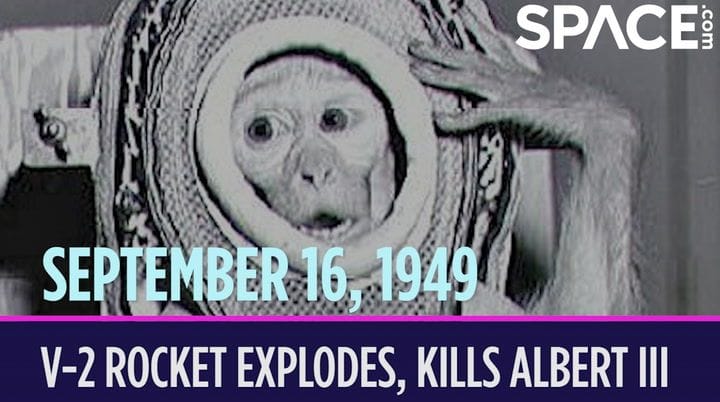 Space.com
Updates on Third Early Career Workshop, 22-24 Sept 2026 - NASA Science
• NASA is hosting the Third Early Career Workshop from September 22-24, 2026, to support scientists in the Physics of the Cosmos Program. • The event features a post-launch presentation on the Roman Space Telescope and a tutorial on the NASA Astrophysics Data System Science Explorer.
Read original · science.nasa.govWe're about to exceed 1.5-degree global warming limit, according to the UN
• A 2026 United Nations report indicates that global warming is on track to soon exceed the 1.5-degree Celsius limit. • This threshold was originally established as a critical target by the Paris Agreement to mitigate the worst effects of climate change.
Read original · space.com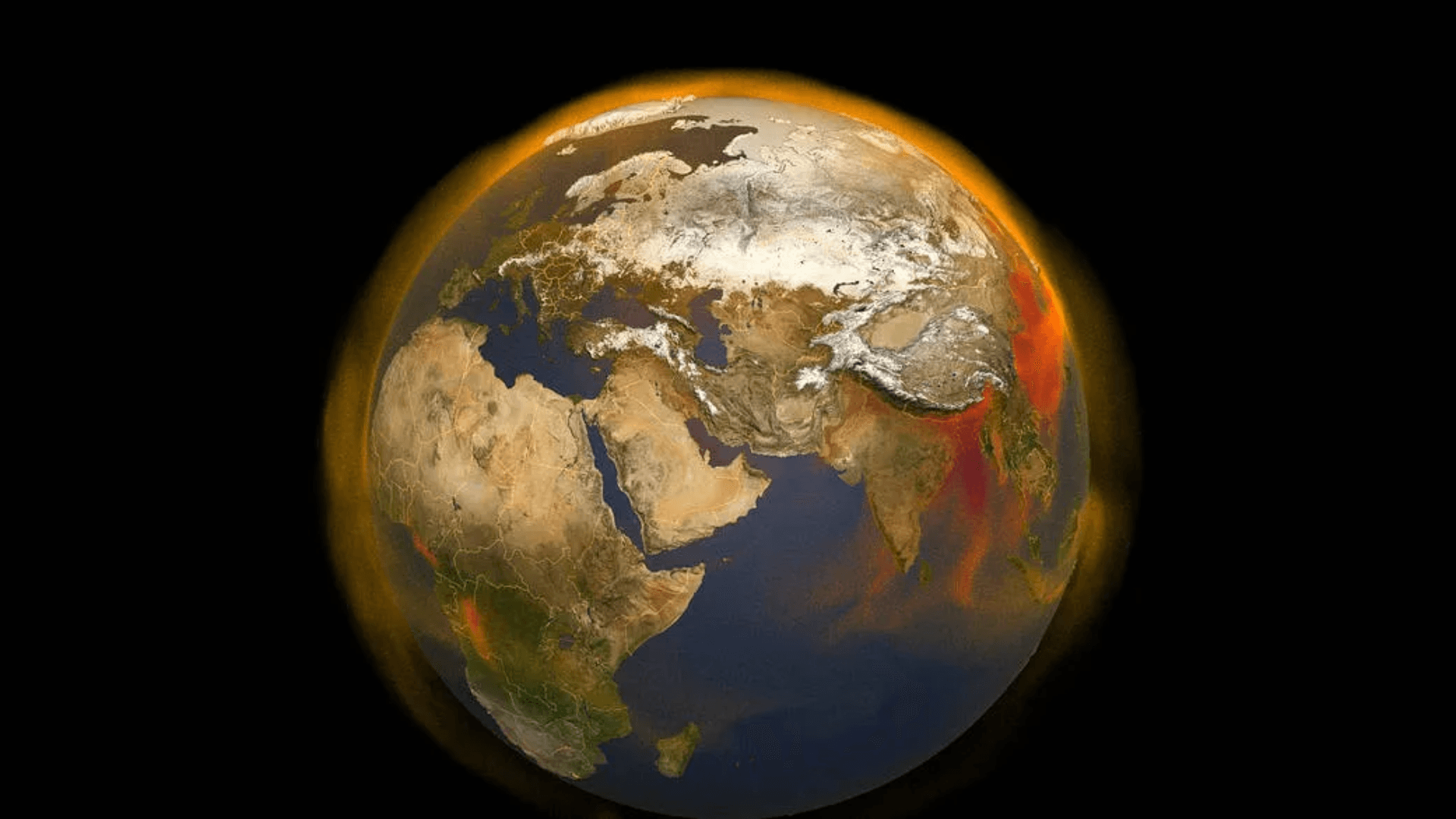 Space.com
22 years of science! NASA's Roman Space Telescope doubles its lifetime with super-precise engine burn
• NASA extended the planned operational lifespan of the Nancy Grace Roman Space Telescope to over 20 years following a super-precise engine burn. • The telescope was originally scheduled for a primary five-year mission followed by a five-year extension.
Read original · space.com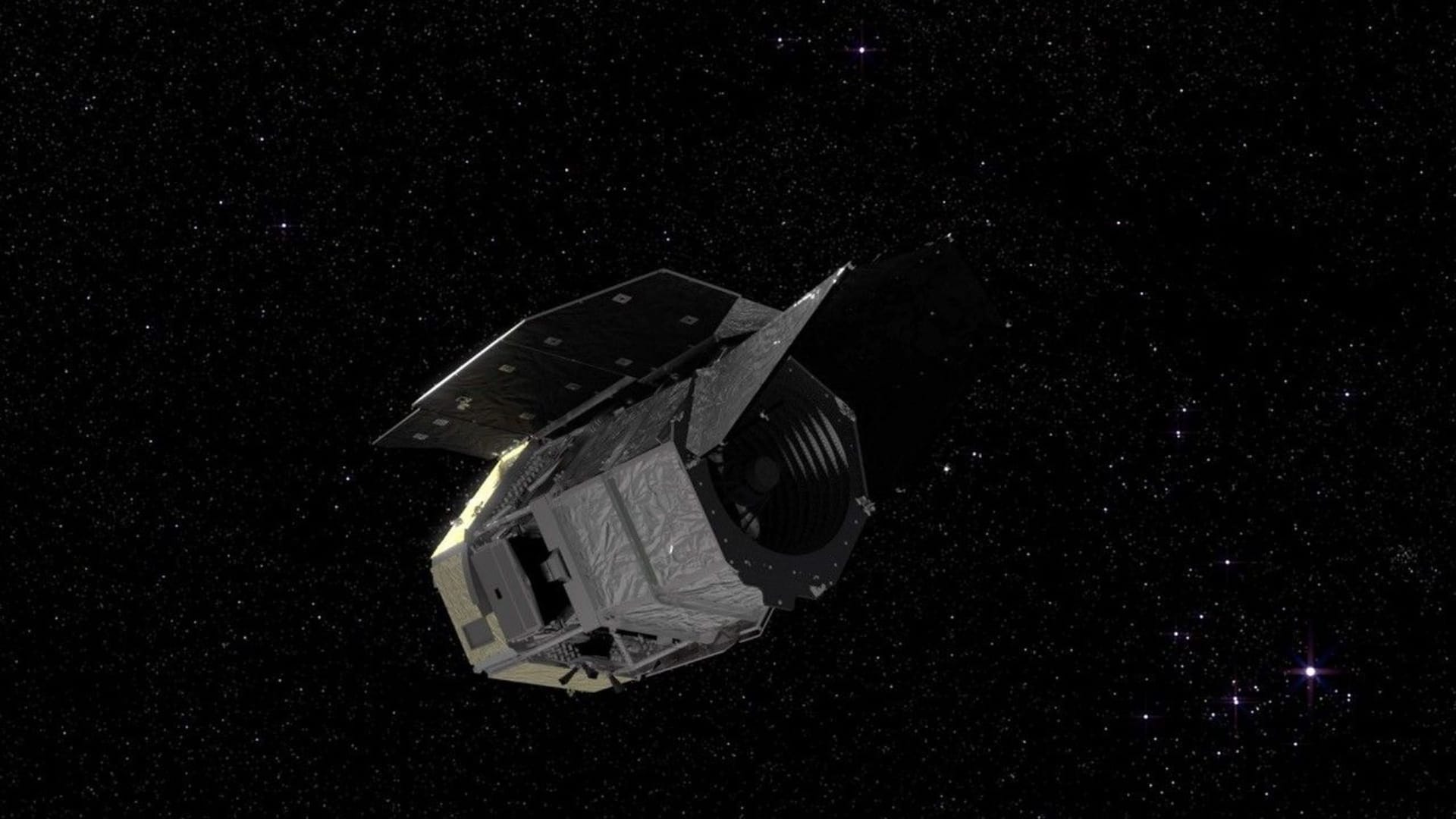 Space.com
In 2006 researchers dredging off Iceland pulled up an ocean quahog clam and froze it with the rest of their samples, unaware that it had been alive since about 1499. Its tightly packed shell rings were eventually counted at 507—making “Ming” the oldest accurately aged non-colonial animal ever recorded, killed before anyone realised it had lived through five centuries of history. - ScienceBlog.com
• Researchers dredging off the coast of Iceland in 2006 collected and froze an ocean quahog clam that had lived for over 500 years. • A count of 507 annual shell rings determined the clam, nicknamed Ming, was born around 1499.
Read original · scienceblog.com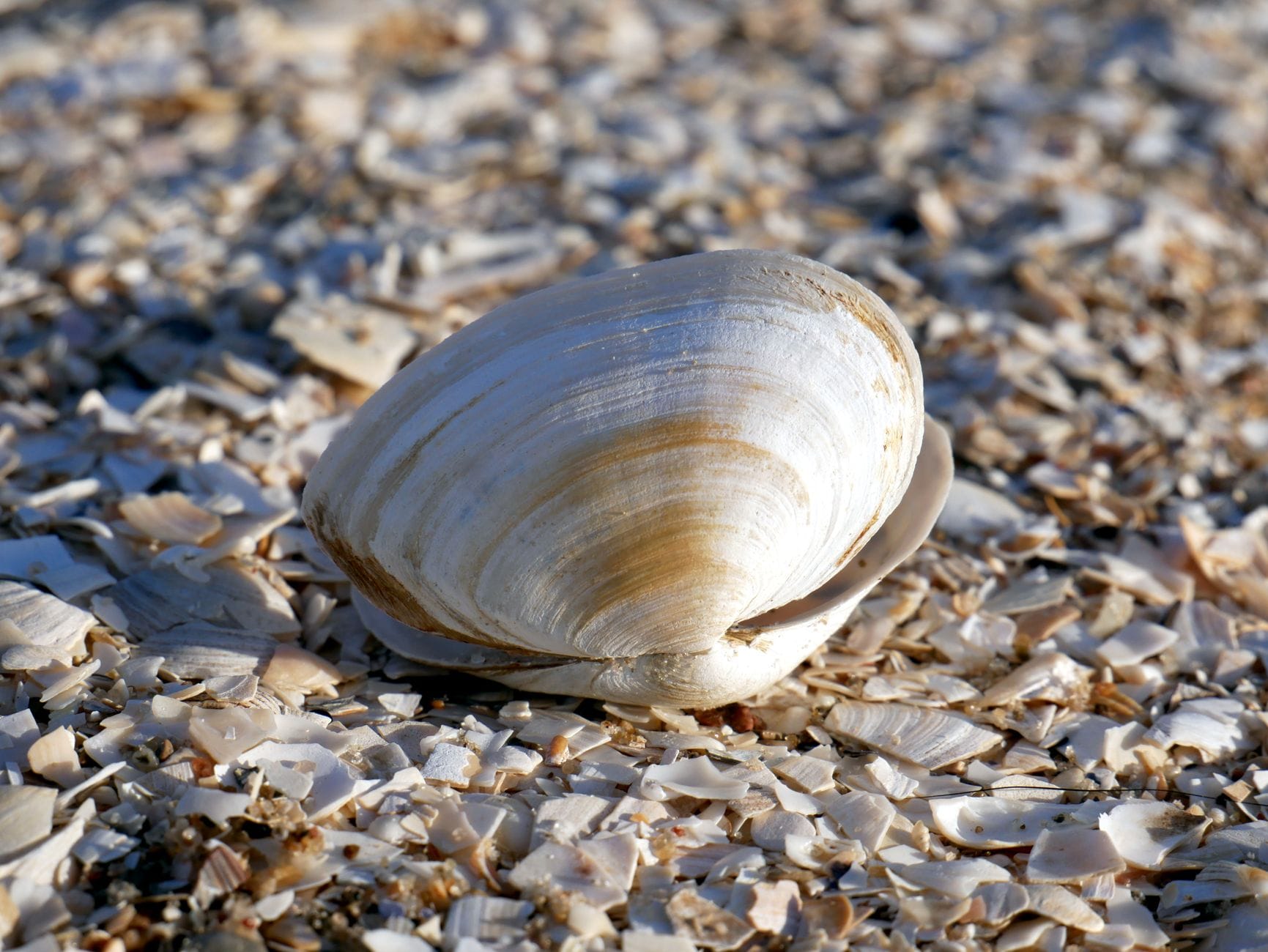 ScienceBlog
James Webb Space Telescope discovers the rings of tiny solar system body Chariklo are changing
• Astronomers used the James Webb Space Telescope to discover that the ring system of the small solar system body Chariklo is changing. • Researchers noted that the ability to detect these changes provides a new window for understanding how these systems evolve.
Read original · space.com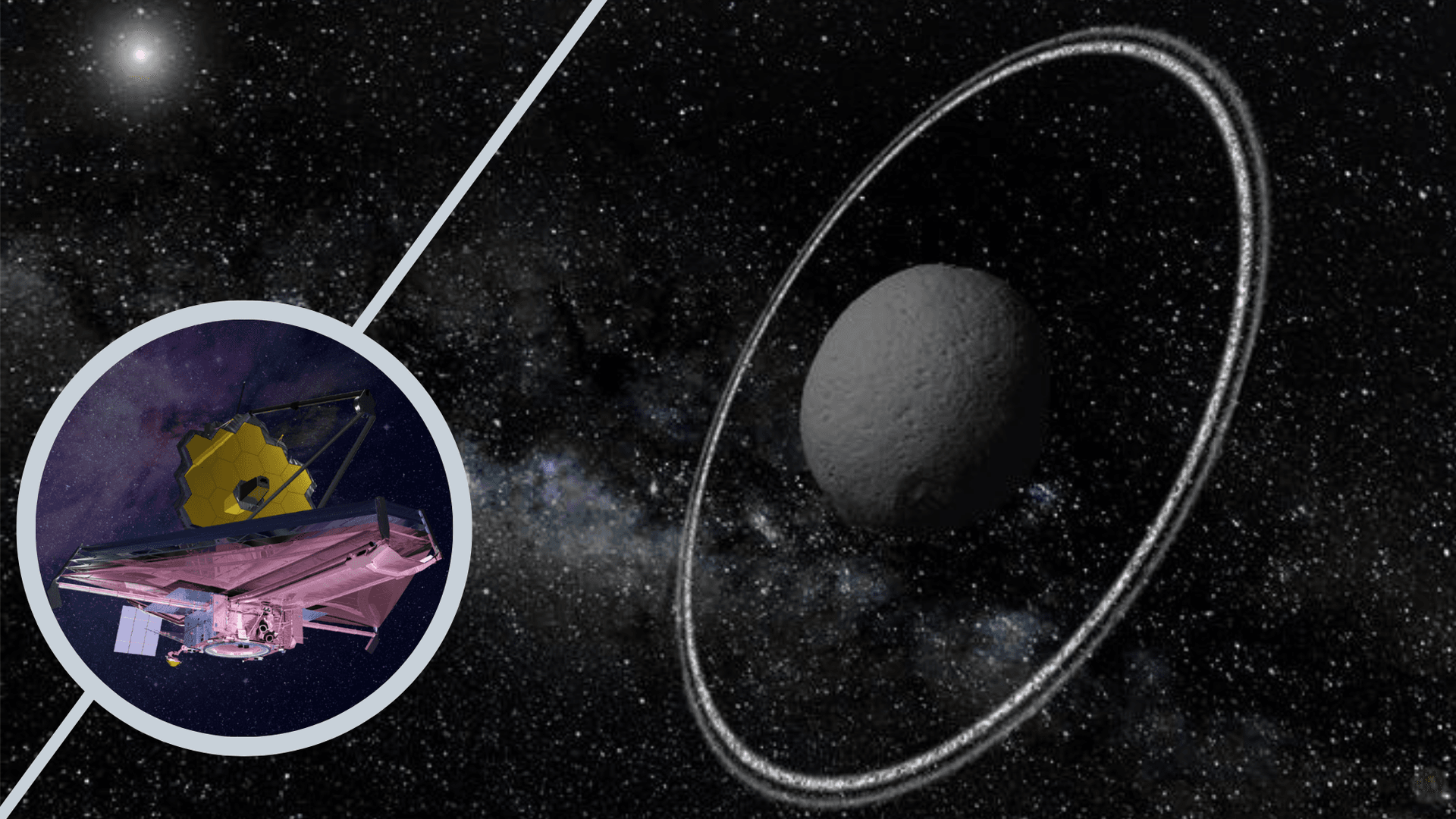 Space.com
James Webb Space Telescope and Hubble discover 27 puzzling new objects orbiting the sun far beyond Neptune
• The Hubble and James Webb space telescopes identified 27 new small objects orbiting the sun in the distant region beyond Neptune. • These observations required the telescopes to operate at the absolute limit of their technical capabilities to detect the tiny objects.
Read original · space.com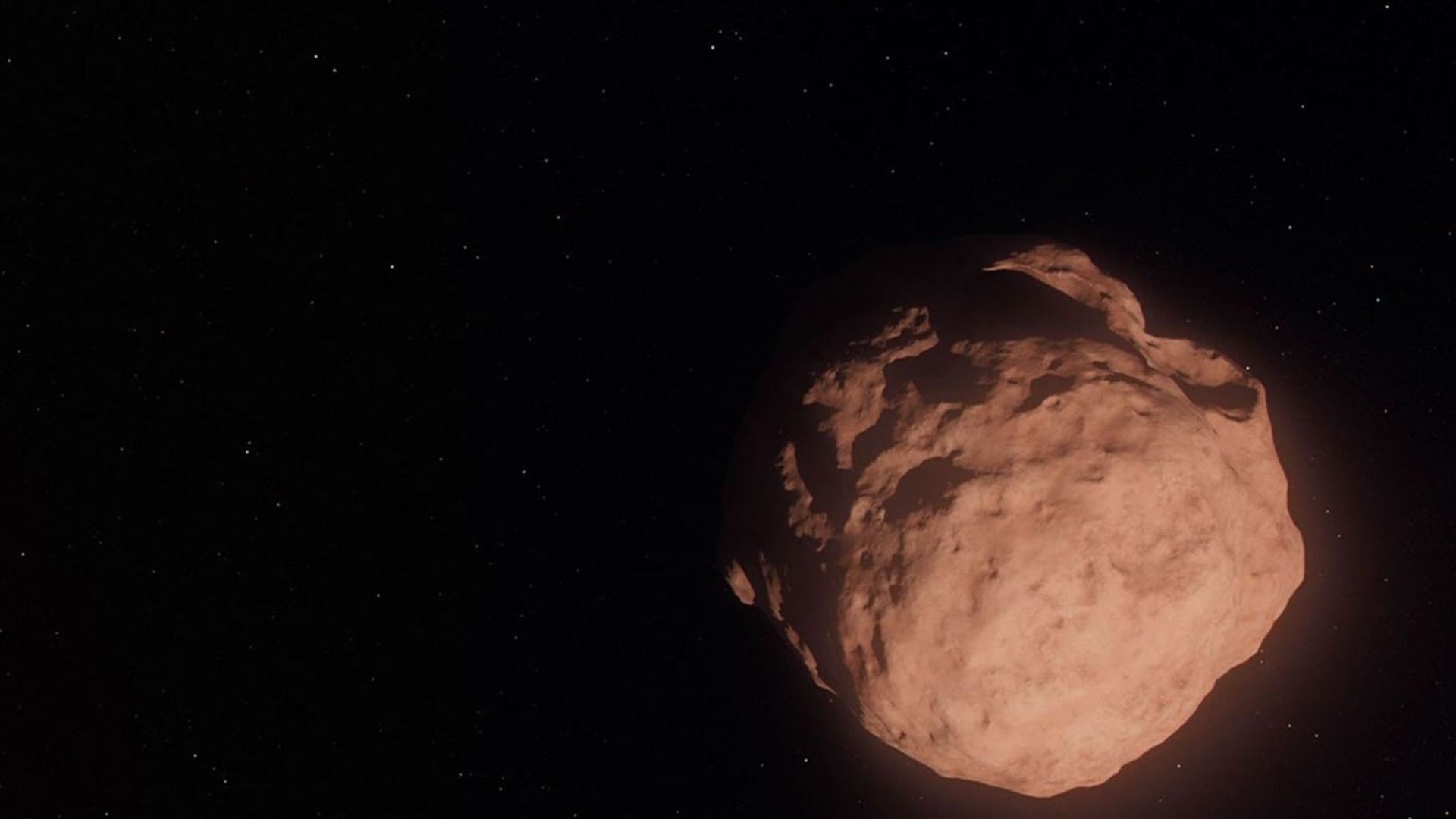 Space.com
Study Identifies Blind Spot In How Science Measures Breakthroughs
• A new study identifies a blind spot in how science measures breakthroughs, specifically regarding "multiples" where two teams make the same discovery simultaneously. • The research highlights historical examples of shared breakthroughs, such as Charles Darwin and Alfred Russel Wallace both discovering evolution.
Read original · studyfinds.com StudyFinds
Have scientists finally detected dark matter? - video | Science
• Scientists believe they may be closer to detecting dark matter, a mysterious substance that has puzzled physicists for decades. • This substance is estimated to make up 85% of all matter in the universe but cannot be seen directly.
Read original · theguardian.comRains Are Flushing Record Microplastic Loads Into the World's Oceans
• A study published in the journal Science estimates that rivers delivered approximately 263,000 tons of microplastics to the world's oceans in 2022. • Researchers found that extreme rainfall events accelerate the movement of plastic into rivers, especially in developing nations with high plastic use and weak waste management.
Read original · scienmag.com Science