James Webb Space Telescope and Hubble discover 27 puzzling new objects orbiting the sun far beyond Neptune
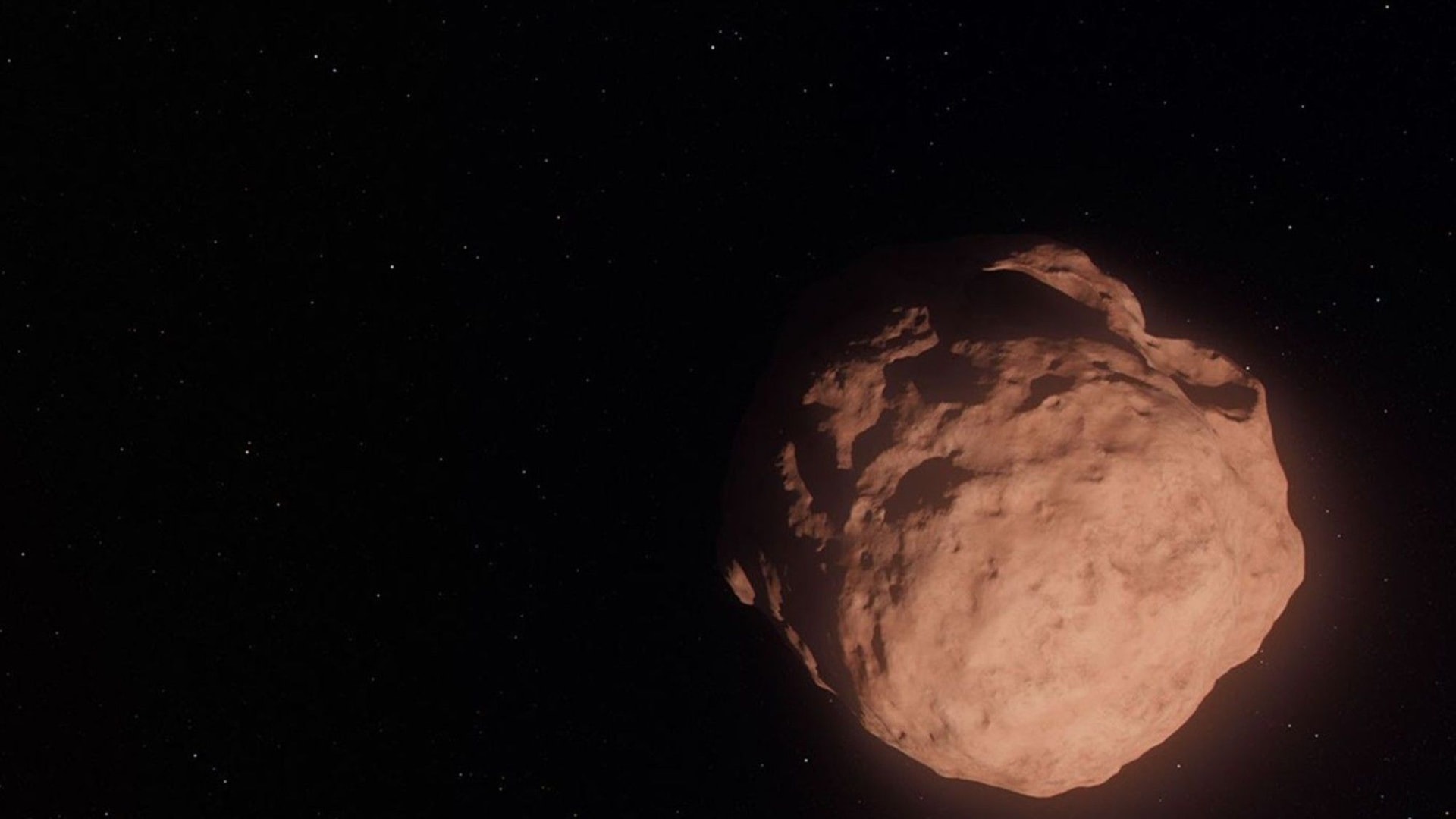
- The Hubble and James Webb space telescopes identified 27 new small objects orbiting the sun in the distant region beyond Neptune.
- These observations required the telescopes to operate at the absolute limit of their technical capabilities to detect the tiny objects.
- The discovery provides new data on the composition and movement of the outer solar system's furthest reaches.
Sources & Citations
1 sourceMore Stories
James Webb Space Telescope discovers the rings of tiny solar system body Chariklo are changing
• Astronomers used the James Webb Space Telescope to discover that the ring system of the small solar system body Chariklo is changing. • Researchers noted that the ability to detect these changes provides a new window for understanding how these systems evolve.
Read original · space.com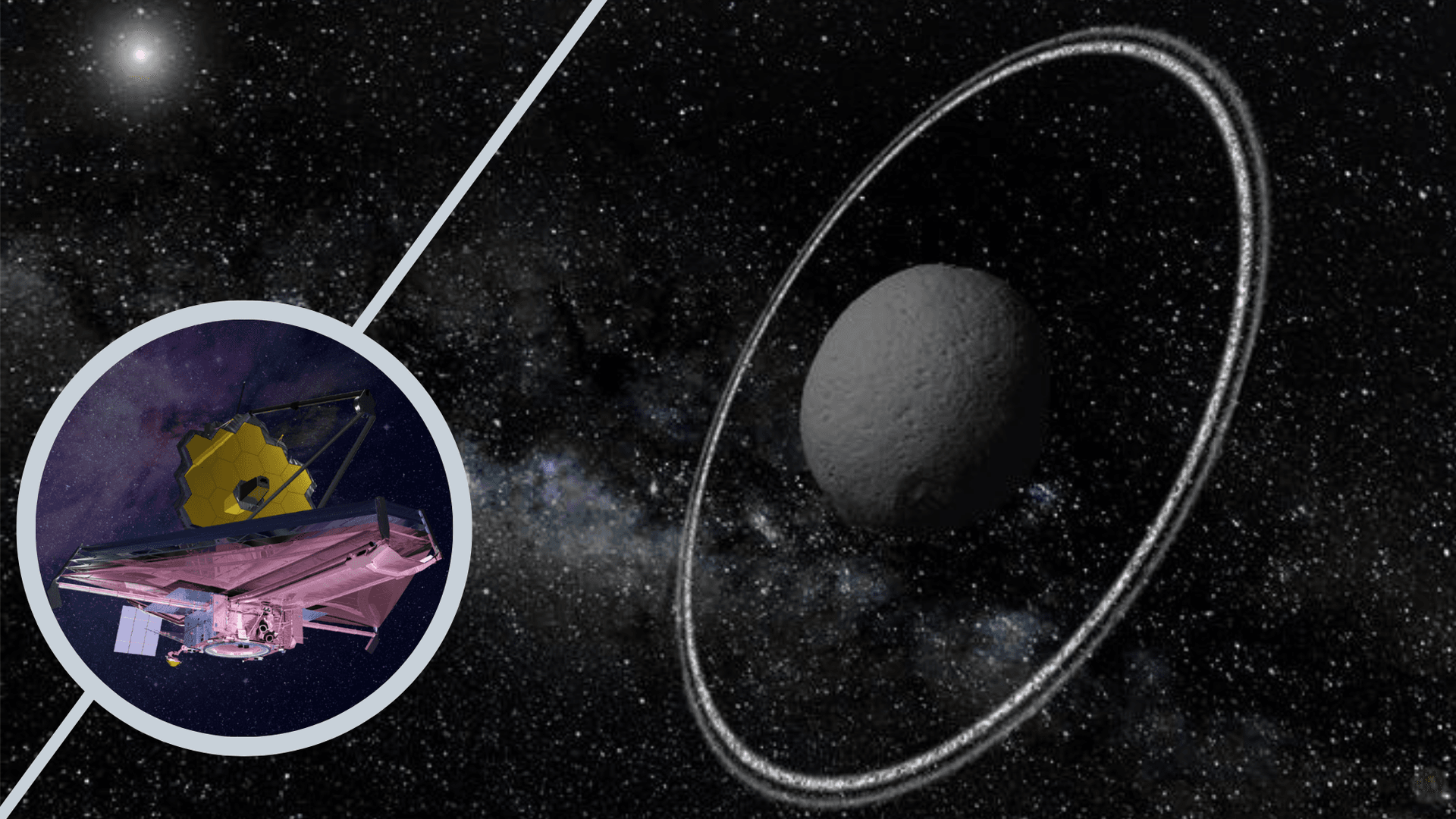 Space.com
In 2006 researchers dredging off Iceland pulled up an ocean quahog clam and froze it with the rest of their samples, unaware that it had been alive since about 1499. Its tightly packed shell rings were eventually counted at 507—making “Ming” the oldest accurately aged non-colonial animal ever recorded, killed before anyone realised it had lived through five centuries of history. - ScienceBlog.com
• Researchers dredging off the coast of Iceland in 2006 collected and froze an ocean quahog clam that had lived for over 500 years. • A count of 507 annual shell rings determined the clam, nicknamed Ming, was born around 1499.
Read original · scienceblog.com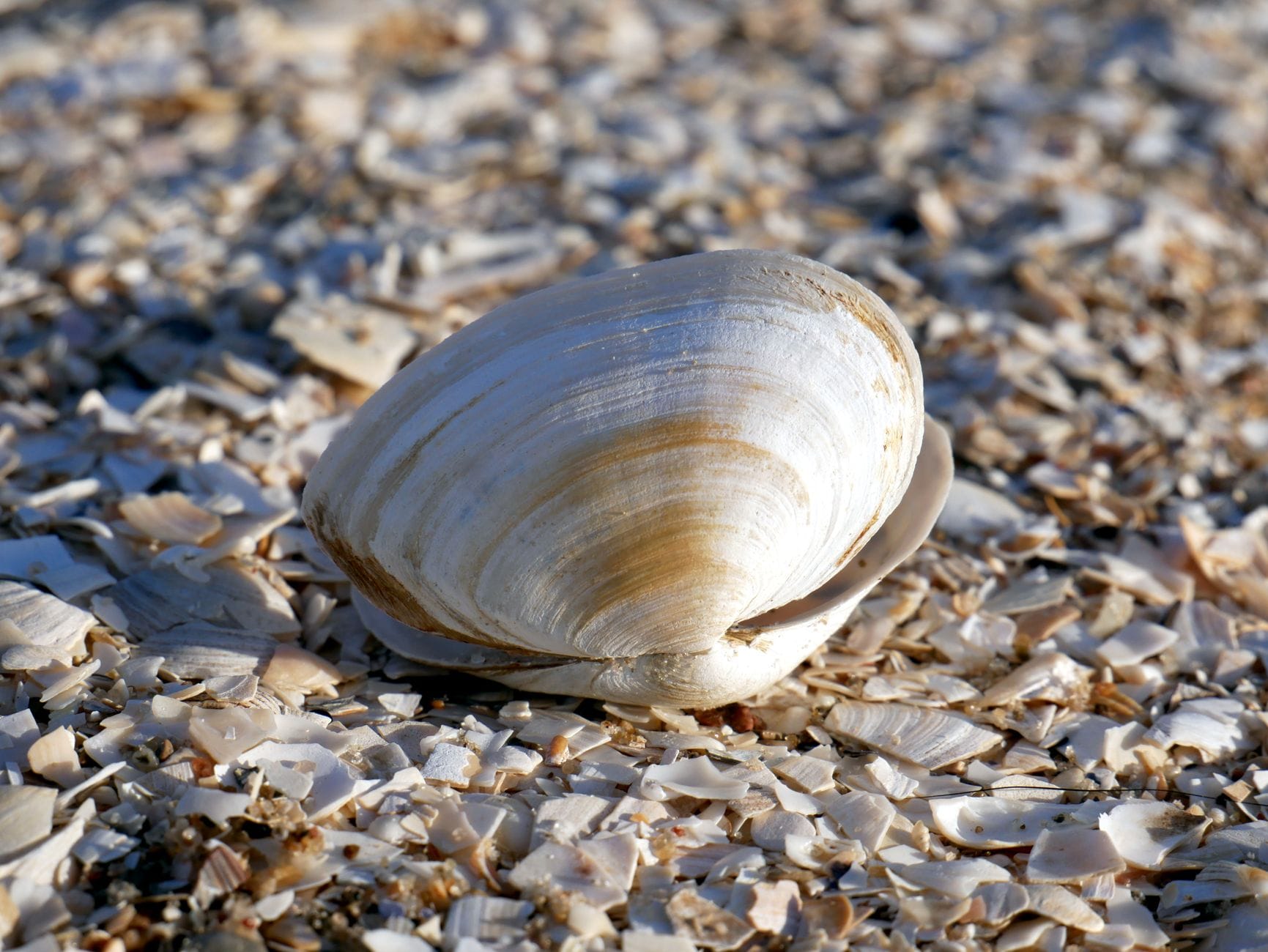 ScienceBlog
Study Identifies Blind Spot In How Science Measures Breakthroughs
• A new study identifies a blind spot in how science measures breakthroughs, specifically regarding "multiples" where two teams make the same discovery simultaneously. • The research highlights historical examples of shared breakthroughs, such as Charles Darwin and Alfred Russel Wallace both discovering evolution.
Read original · studyfinds.com StudyFinds
Rains Are Flushing Record Microplastic Loads Into the World's Oceans
• A study published in the journal Science estimates that rivers delivered approximately 263,000 tons of microplastics to the world's oceans in 2022. • Researchers found that extreme rainfall events accelerate the movement of plastic into rivers, especially in developing nations with high plastic use and weak waste management.
Read original · scienmag.com Science
Have scientists finally detected dark matter? - video | Science
• Scientists believe they may be closer to detecting dark matter, a mysterious substance that has puzzled physicists for decades. • This substance is estimated to make up 85% of all matter in the universe but cannot be seen directly.
Read original · theguardian.comScientists study 3,000 supernovas and discover that dark energy may be evolving
• Scientists analyzed a catalog of nearly 3,000 type Ia supernovas, which occur when white dwarf stars explode after absorbing too much matter from companion stars. • The study found evidence that dark energy may evolve over time rather than remaining fixed, challenging the standard model of cosmology.
Read original · space.com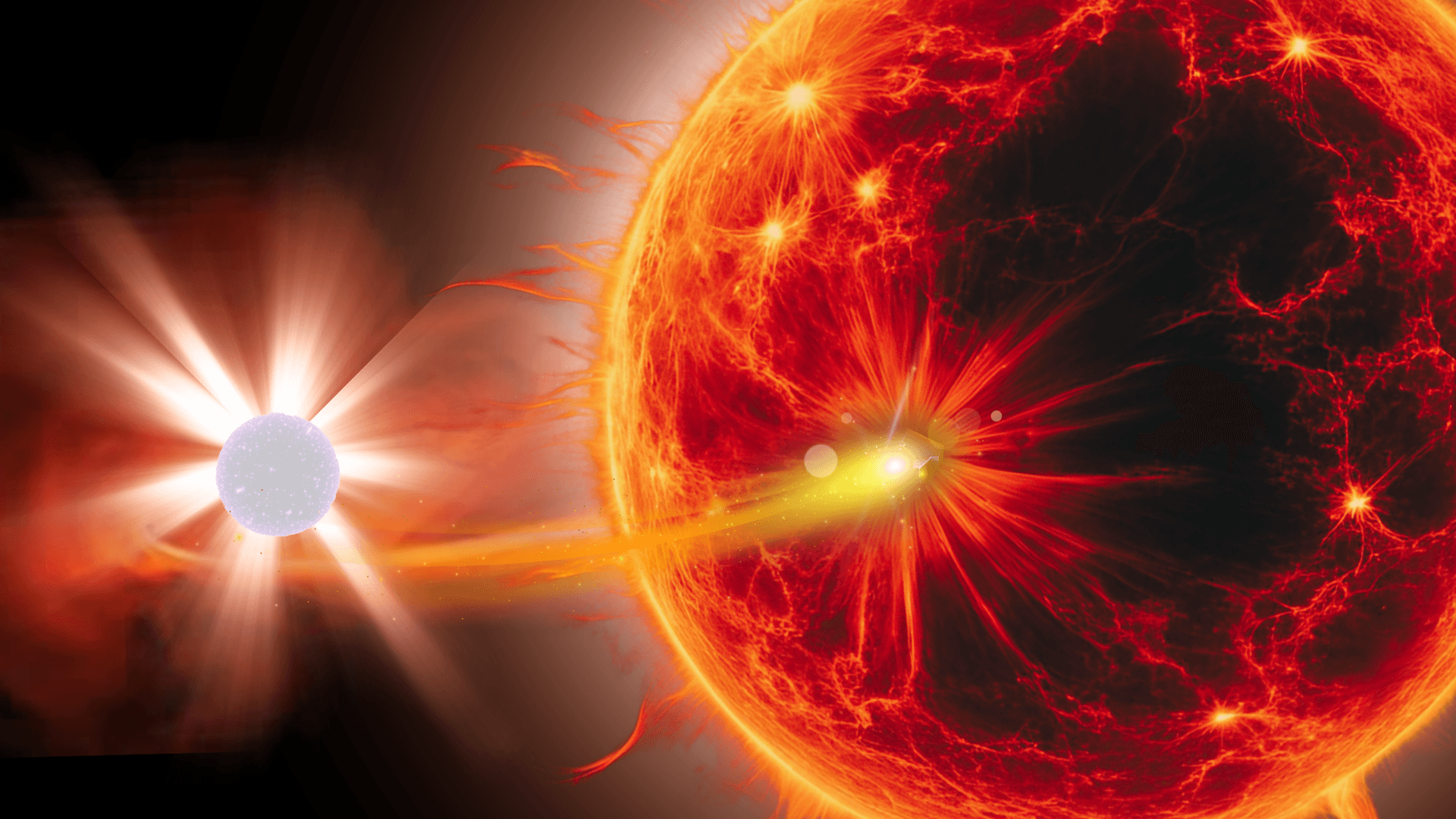 Space.com
The best new popular science books of September 2026 include new titles by Carlo Rovelli and Xand van Tulleken
• Major science authors including Carlo Rovelli, Xand van Tulleken, Maggie Aderin, and Jim Al-Khalili released new popular science books in September 2026. • The month's new releases also feature a new biography of physicist Stephen Hawking.
Read original · newscientist.com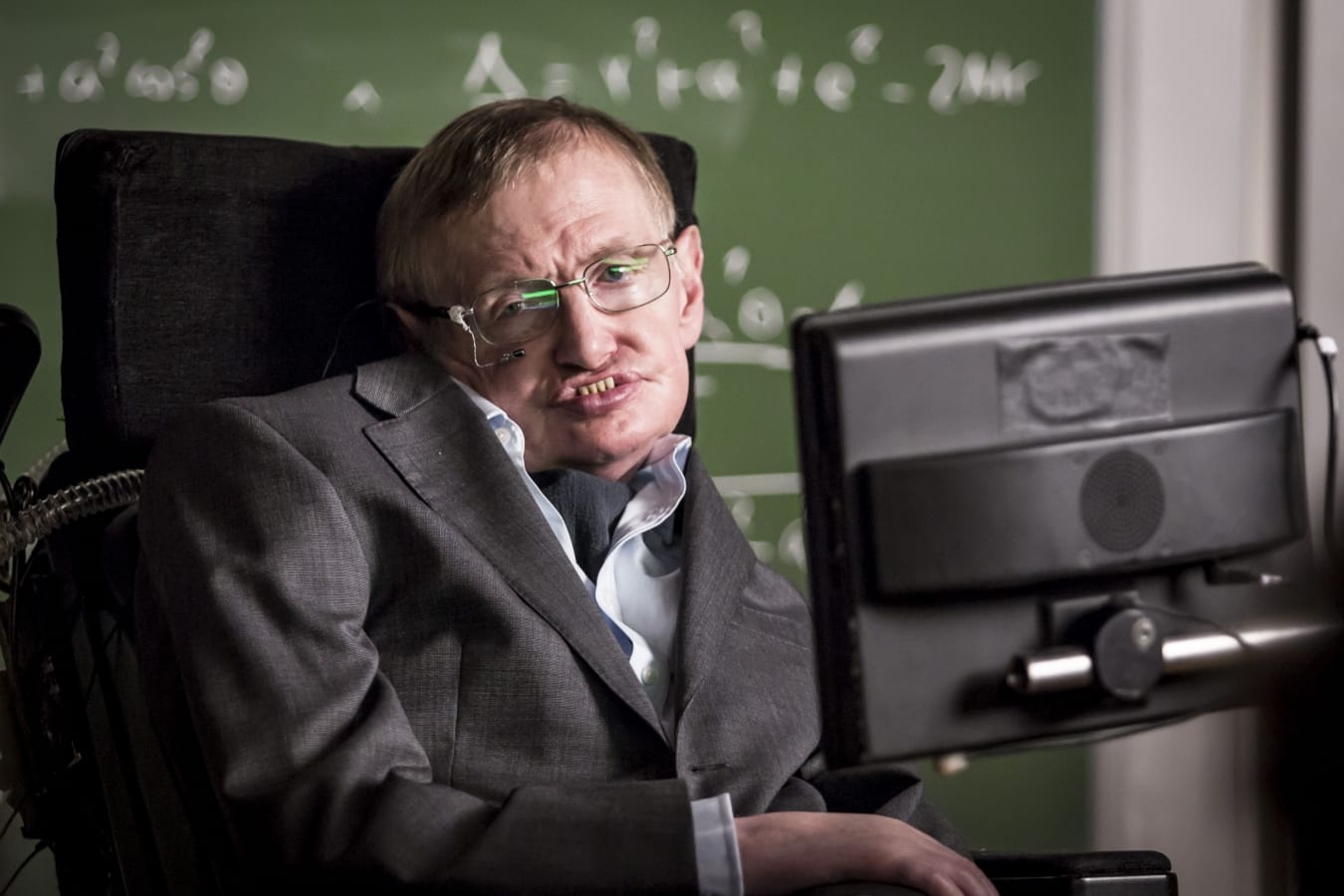 New Scientist
Astronomers Discover "CO-Dark" Hydrogen Cloud Eos Just 300 Light-Years Away - Newsy Today
• Astronomers discovered a massive molecular cloud named Eos located approximately 307 light-years from the Sun. • Models indicate the cloud is undergoing photoevaporation, a process where radiation strips away gas, over a timescale of about 5.7 million years.
Read original · newsy-today.com Newsy Today
On this day in space! Sept. 6, 1947: The US Navy launches 1st V-2 rocket at sea in ballistic missile test
• The US Navy launched its first V-2 rocket from a ship at sea on September 6, 1947, as part of a ballistic missile test. • Although the specific test was unsuccessful, it proved that Navy ships could serve as floating launch pads for ballistic missiles.
Read original · space.com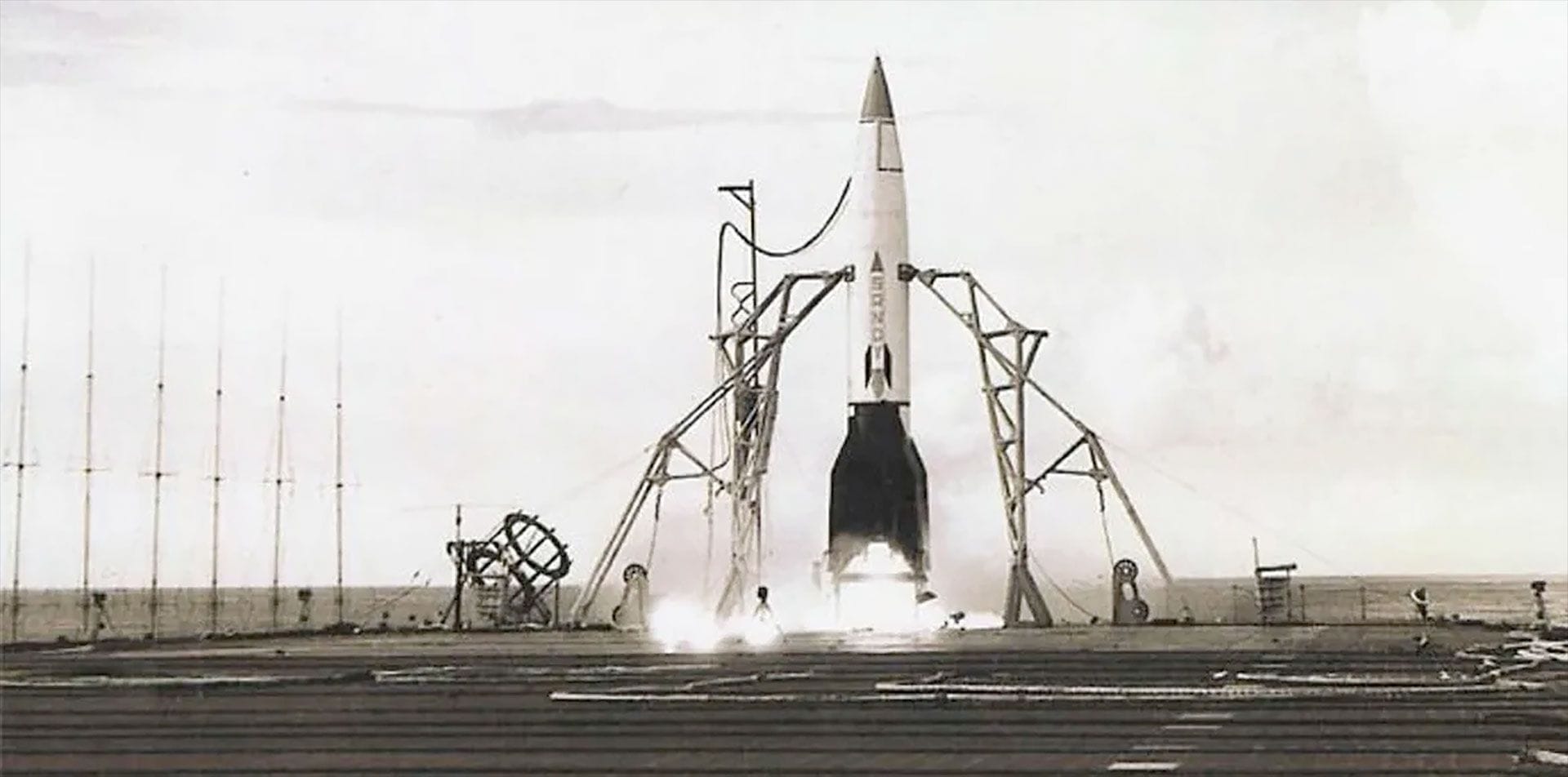 Space.com
Physicists just found a tiny glitch in time itself
• Physicists have discovered a tiny glitch in time itself, which may imply a fundamental uncertainty in measuring time, according to unconventional quantum theories. • The effect, supported by research from the Foundational Questions Institute, suggests that quantum collapse models could have surprising consequences for the nature of time and the precision of clocks.
Read original · sciencedaily.com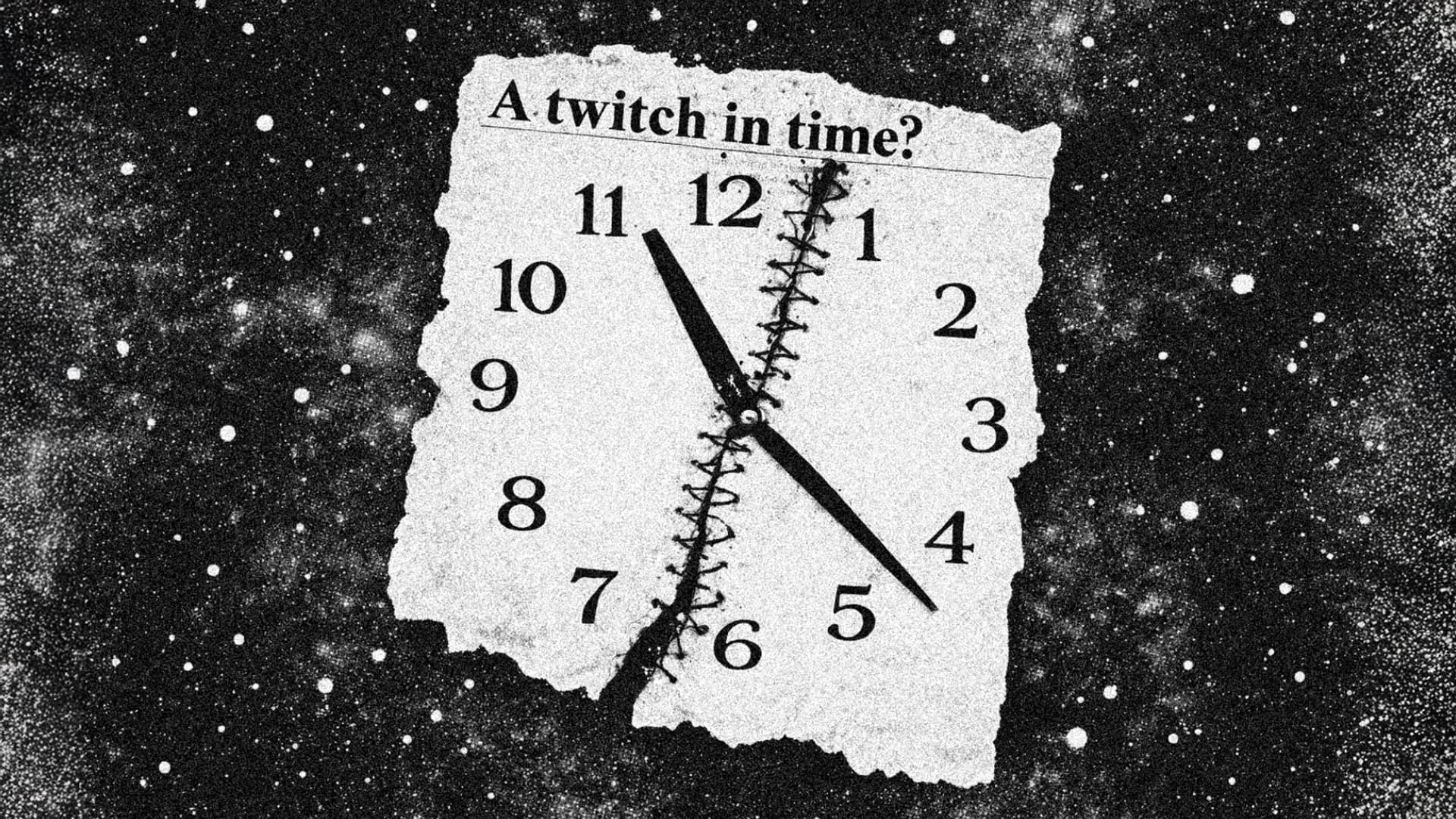 ScienceDaily
Expedition 75 Works on Science Hardware, Spacesuits, and Crew Filming - NASA
• The Expedition 75 crew performed science hardware maintenance and spacesuit upkeep aboard the International Space Station on Thursday. • One crew member disconnected and stowed physics hardware used for crystal growth research inside the Destiny Microgravity Science Glovebox.
Read original · nasa.gov NASA
NASA