US Stocks Decline Sharply as Oil Prices Surge Over 4% on Iran-US Conflict Escalation

- S&P 500 dropped 0.80%, Dow Jones fell 0.83%, and Nasdaq 100 declined 0.98% in early trading on March 24, 2026, amid Middle East tensions.
- Crude oil surged over 4% to $91.80, up $3.67, as Iran's parliament speaker Mohammad Bagher Qalibaf denied US negotiations, contradicting President Trump's claims of productive talks.
- Citi analysts warn prolonged conflict could push oil to $200 per barrel, heightening inflation fears and pressuring equities.
- VIX near 27 signals elevated investor fear, with Nasdaq turning negative year-to-date after fading peace optimism.
More Stories
Eurozone inflation hits a Middle East war high, but core pressures remain contained
• Eurozone headline inflation rose from 2.9% to 3.3% in August, reaching a peak since the onset of the Middle East conflict. • Despite the headline increase, core inflation remained contained, falling back to 2.4% as underlying price pressures stayed surprisingly benign.
Read original · fxstreet.comFlash inflation and GDP structure across CEE
• Central and Eastern European (CEE) countries, including Poland, Slovenia, Croatia, Slovakia, and Czechia, will release flash inflation estimates for August this week. • The week's economic agenda also focuses on the release of the second-quarter 2026 GDP structure data for most nations in the region.
Read original · fxstreet.comEuro zone inflation is back above 3%. Higher interest rates are likely to follow
• Euro zone inflation has risen above 3%, prompting expectations that the European Central Bank (ECB) will hike interest rates in September. • The surge is largely attributed to rising energy costs driven by the conflict in Iran, complicating the ECB's monetary policy.
Read original · cnbc.comEuropean government bond yields surge to 15-year highs as sell-off deepens
• European government bond yields have surged to their highest levels in over 15 years due to a deepening global bond sell-off. • Benchmark borrowing costs hit record highs on Tuesday for Germany, with France, Italy, and the Netherlands experiencing similarly steep increases.
Read original · ca.finance.yahoo.comEuropean stocks kick off September on gloomy note as bond yields rise - Gold
• European shares declined on Tuesday, September 1, as rising government bond yields pressured investors who are bracing for higher interest rates. • The downturn follows a period of growth where the STOXX 600 reached a record high in early August, though a recent selloff has since reduced the index by 2%.
Read original · ca.headtopics.comFutures Tumble As Global Yields Hit Multi-Year HIgh, Oil Jumps On Iran Escalation<!-- -->
• Global equity futures tumbled as long-term bond yields reached multi-year highs, driven by persistent inflation pressures. • Oil prices surged following an escalation in tensions involving Iran, adding further volatility to global energy markets.
Read original · zerohedge.com ZeroHedge
Morgan Stanley revamps Nordic bank ratings: Here are its preferred names By Investing.com
• Morgan Stanley has updated its ratings for Nordic banks, identifying preferred stocks based on profitability and business model stability. • Analysts highlighted that some institutions remain "structurally challenged," specifically noting that international operations are diluting overall group profitability.
Read original · za.investing.comJPMorgan places 2 European staples stocks on positive catalyst watch By Investing.com
• JPMorgan has placed two European consumer staples stocks on its "positive catalyst watch," signaling expectations for upcoming events that could drive share prices higher. • The move indicates that the investment bank anticipates specific triggers or positive developments for these companies in the near term.
Read original · investing.com5 Top Goldman Sachs Stock Picks Pay Big Dividends (One Yields Over 6%) - 24/7 Wall St.
• Goldman Sachs has updated its "Conviction List," identifying five high-dividend stocks that analysts believe are positioned to outperform the broader market. • The selected stocks are noted for being established companies that offer unusually high yields for their stability, with one specific pick yielding over 6%.
Read original · 247wallst.com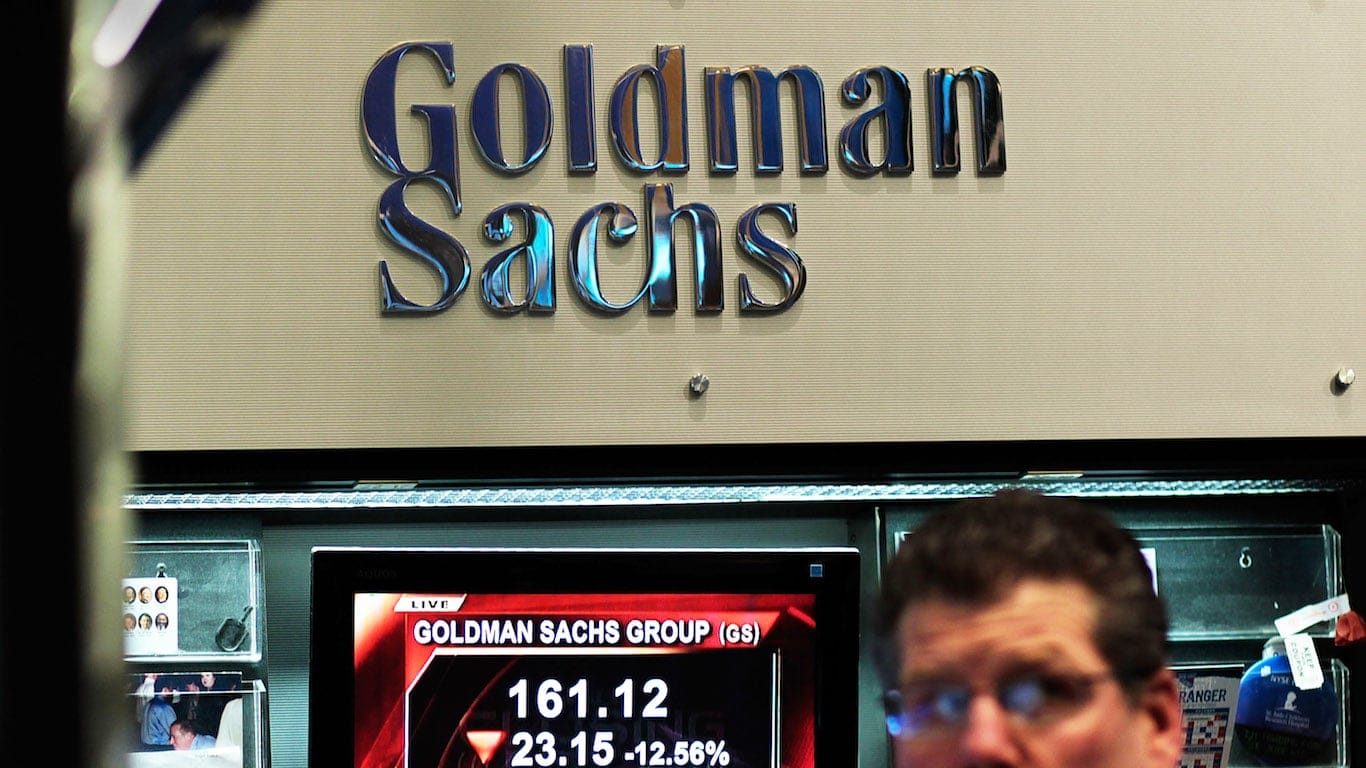 24/7 Wall St.
Sensex Today, Stock Market LIVE Updates | Nifty
• Indian stock markets are expected to open cautiously, with GIFT Nifty trading around 24,200, down approximately 0.11%. • Global market sentiment is being pressured by rising crude oil prices, with Brent crude climbing above $90 per barrel due to renewed US-Iran tensions.
Read original · ndtv.comMarket Roundup 1 September 2026 - KAOHOON INTERNATIONAL
• Thailand’s SET Index closed at 1,588.68 points on September 1, 2026, marking a decrease of 6.48 points or 0.41%. • The total trading value for the session reached THB 72.56 billion.
Read original · kaohooninternational.com KAOHOON INTERNATIONAL
Stock Market Today Highlights, September 1: Sensex ends 12 pts down, Nifty closes at 24,055 on higher crude prices; banks, autos lead losses - The HinduBusinessLine
• On September 1, 2026, the Indian stock market closed with mixed results, as the Sensex ended 12 points down and the Nifty 50 closed at 24,055. • The decline was primarily driven by losses in the banking and automotive sectors, fueled by rising crude oil prices.
Read original · thehindubusinessline.com The Hindu BusinessLine