US president says he is considering restarting naval escorts in strait of Hormuz in attempt to end Iranian blockadeMiddle East crisis – live updatesDonald Trump has said the ceasefire with Iran is on “life support” and that he is considering restarting US navy military escorts of ships through the strait of Hormuz in an attempt to end the Iranian blockade of the vital waterway.The US president dismissed Iran’s peace proposals as stupid, and denied he was under any domestic pressure to reach a deal. Continue reading...
President’s remarks came as Benjamin Netanyahu said the war was ‘not over’. Plus, American passengers of the hantavirus-stricken cruise ship travel to NebraskaGood morning.Donald Trump has condemned an Iranian response to a US peace proposal as “totally unacceptable” as the month-old ceasefire appeared to be wearing thin.What is the US position on Iranian nuclear facilities? The US parameters for nuclear talks reportedly included a moratorium on Iranian nuclear enrichment for up to 20 years; the transfer overseas, possibly to the US, of Iran’s stockpile of highly enriched uranium (HEU), and the dismantling of Iranian nuclear facilities.What is the sticking point? According to the Wall Street Journal, the Iranian counter-proposal suggested a shorter moratorium, the export of part of the highly enriched uranium stockpile and the dilution of the rest, and refusal to accept the dismantling of facilities.How have markets reacted? After Trump rejected the counter-proposal on his Truth Social platform, there was a 4% jump in Brent crude on Monday to $105.50 a barrel, before it settled at $103.50.Follow our liveblog for the latest updates.What measures are being taken to control the spread? As well as one who tested positive, another passenger has mild symptoms of hantavirus, the US health and human services department confirmed. These passengers were travelling in the plane’s biocontainment units, it added.Is the World Health Organization mandating a quarantine? No – it has recommended, but not mandated, a 42-day quarantine once passengers have landed in their home countries. As some countries enforce stricter rules than others, here is how the responses vary. Continue reading...
US president calls Iranian response ‘totally unacceptable’ while Tehran says it will retaliate against any new US strikes or foreign warships in strait of HormuzTrump calls Iran’s response to peace plan ‘totally unacceptable’ as ceasefire fraysThe US parameters for nuclear talks reportedly included a moratorium on Iranian nuclear enrichment for up to 20 years; the transfer overseas, possibly to the US, of Iran’s stockpile of highly enriched uranium (HEU), which could be used to make nuclear warheads; and the dismantling of Iranian nuclear facilities.According to the Wall Street Journal, the Iranian counter-proposal suggested a shorter moratorium, the export of part of the HEU stockpile and the dilution of the rest, and refusal to accept the dismantling of facilities. Continue reading...
• US President Donald Trump dismissed Iran's response to a US peace proposal as 'totally unacceptable' on Monday, escalating tensions amid ongoing Middle East conflict.
• Tehran warned of new attacks in retaliation, as reported by Asia News Network, heightening fears of prolonged disruptions in the Strait of Hormuz.
• The rejection triggered market volatility across Asia, with investors seeking safe-haven assets amid potential impacts on regional energy security.
• US President Donald Trump publicly denounced Iran's reply to a US peace proposal as 'totally unacceptable' amid stalled negotiations in recent weeks.
• Iran submitted its 'war-ending' response through Pakistan mediators, while a fragile ceasefire holds despite intermittent Gulf flare-ups and reported drone strikes.
• The exchange escalates tensions, with Iran dismissing Trump's rejection as 'irrelevant' and warning countries enforcing US sanctions of 'difficulties' transiting the Strait of Hormuz.
• Qatar's Prime Minister Sheikh Mohammed bin Abdulrahman bin Jassim Al-Thani departed Miami on Sunday morning after meetings with Trump envoy Steve Witkoff and Secretary of State Marco Rubio focused on ending the Iran war.
• The delegation discussed latest regional developments and Pakistani mediation efforts aimed at deescalation, while the month-long ceasefire between the U.S. and Iran remains fragile but intact.
• President Trump stated Saturday he "expects to hear very soon" from Iranian officials regarding the latest U.S. peace proposal, with negotiations ongoing.
• President Trump stated on May 9, 2026, that the U.S. is still awaiting Iran's response to the latest peace plan, emphasizing it could arrive 'any minute.'
• Wartime fuel prices averaged $4.53 per gallon nationwide, marking a 25-cent increase for the second consecutive week amid ongoing tensions.
• The lack of reply heightens risks in the Strait of Hormuz, where recent naval actions underscore fragile ceasefire dynamics.
• The United States is monitoring Iran's reply to a renewed peace proposal following mutual strikes, as reported by Fox News White House correspondent Aishah Hasnie.
• President Trump pursues a diplomatic deal amid Middle East tensions, with former Iran special representative Brian Hook praising the administration's 'disciplined deterrence' strategy.
• The developments signal potential de-escalation in the conflict, highlighting Trump's foreign policy focus on security and negotiation.
• US President Donald Trump announced on May 7, 2026, that negotiations with Iran have progressed significantly in the last 24 hours, predicting a quick deal to formally end the ongoing war.
• The US peace proposal, under review by Tehran, calls for a one-page memorandum to halt hostilities, reopen the Strait of Hormuz, ease sanctions, and limit Iran's nuclear activities, though it omits missile program curbs and proxy support restrictions.
• Iranian officials responded cautiously, with a foreign ministry spokesperson pledging an official reply and lawmaker Ebrahim Rezaei calling the offer unrealistic and US-biased; Trump paused a naval mission to reopen shipping lanes amid Saudi opposition.
The US and Iran have offered conflicting messages over the likelihood of a deal being reached imminentlyMorning and welcome to the Guardian’s continuing coverage of the crisis in the Middle East.The US and Iran have offered conflicting messages over the state of negotiations to end the war, with Donald Trump signalling the talks were “very good” and a deal “very possible”.News of a possible deal followed Trump’s abrupt U-turn on a US military operation to guide ships out of the strait of Hormuz, dubbed “Project Freedom”. Trump said the decision to pause the mission on Tuesday – two days after it was launched – was to give peace a chance, but NBC reported that it was suspended after Saudi Arabia refused to allow the US military to use its bases and airspace to carry out the operation. US officials told the American broadcaster that Gulf allies were caught off guard by the sudden announcement of Project Freedom, and that it had angered the leadership in Saudi Arabia.The Iranian president, Masoud Pezeshkian, told his French counterpart, Emmanuel Macron, that the US’s behaviour had “deviated the path of diplomacy towards threats, pressure and sanctions” and that Tehran could not trust Washington. In a statement carried by the Iranian state-run Press TV, Pezeshkian said Iran had entered into dialogue with the US twice and “on both occasions, military aggression against Iran took place concurrently with the negotiations. Such behaviour is effectively like ‘stabbing from behind’”.Iran has denied any involvement in damage to a South Korean-operated vessel in the strait of Hormuz, which suffered an explosion and fire on Monday. Trump blamed the incident on an Iranian attack, while South Korea’s foreign ministry said the cause of the fire would only be confirmed after the vessel is inspected. The Iran embassy in Seoul issued a statement this morning rejecting the allegations, saying safe passage through the waterway requires strict adherence to Iranian regulations.The damage and destruction inflicted on US military sites across the Middle East during the war is far larger than what has been publicly acknowledged by the Trump administration or previously reported, according to analysis by the Washington Post. Reviewing satellite imagery, the newspaper found Iranian airstrikes have damaged or destroyed at least 228 US structures or pieces of equipment, including hangars, barracks, fuel depots, aircraft and key radar, communications and air defence equipment. The US Central Command declined to comment on the report.In Lebanon, where a ceasefire has demonstrably failed to stop the fighting between Israel and Hezbollah, three people were killed this morning in Israeli strikes on Nabatieh south of the country, according to the official Lebanese National News Agency. The Israeli military said one of its soldiers was seriously injured by an explosive-laden Hezbollah drone in southern Lebanon yesterday. It did not say where the attack took place.In Gaza, where another ceasefire appears to be fraying, an Israeli airstrike has killed Azzam Khalil al-Hayya, the son of Hamas political bureau leader and chief negotiator Khalil al-Hayya, according to senior Hamas official Basim Naim. Azzam succumbed to his injuries this morning after being struck in an Israeli attack last night, Reuters reported. He is the fourth son of Hamas’s exiled Gaza chief to have been killed in Israeli attacks. Continue reading...
• President Trump warned Iran on Wednesday of 'higher level' military strikes if it refuses a peace deal, while deeming direct talks in Pakistan 'too soon' amid reported negotiation progress to end the war.
• The U.S. paused the brief Project Freedom mission to guide ships through the Strait of Hormuz after Iranian attacks on vessels and U.S. Gulf allies resumed, marking the first in nearly a month.
• Secretary of State Marco Rubio accused Iran of holding the global economy hostage by threatening ships, laying sea mines, and imposing tolls on the vital waterway, calling the upcoming U.N. resolution a key test.
• Brent crude futures rose 88 cents or 0.9% to $102.15 a barrel, while WTI advanced $1.12 or 1.2% to $96.20, trimming prior 7% losses after US President Donald Trump called direct talks with Iran premature.
• A senior Iranian lawmaker dismissed the US peace proposal as a 'wish list' rather than practical, amid demands to halt Tehran's nuclear program and reopen the Strait of Hormuz.
• Markets assess if Middle East peace efforts will succeed, with strategist Hiroyuki Kikukawa noting discussions may continue until the US-China summit but uncertainty persists afterward.
• Indian equity indices surged sharply on May 6, 2026, with Sensex gaining 940.73 points (1.22%) to close at 77,958.52 and Nifty rising 298.15 points (1.24%) to 24,330.95, driven by optimism over potential US-Iran peace negotiations and declining crude oil prices.
• Banking stocks led the rally following the Union Cabinet's approval of an emergency credit guarantee programme worth Rs 15,800 crore to support businesses facing liquidity stress, with Hero MotoCorp climbing 2.6% and Mahindra & Mahindra advancing 3.1% on strong quarterly earnings.
• Broader market indices also gained traction, with Nifty smallcap100 and midcap100 rising 0.9% and 1.1% respectively, though FMCG stocks declined amid easing geopolitical tensions in West Asia that had previously pushed Brent crude to $115 per barrel.
Iran says the ‘ball is in the United States’ court’ as Trump says he is likely to reject new proposal from TehranDonald Trump said on Saturday he was going to review a new peace proposal from Tehran but cast doubt over its prospects, saying Iran had not yet “paid a big enough price”.Two semiofficial Iranian news outlets, Tasnim and Fars, believed to be close to Iran’s paramilitary Revolutionary Guard, said Iran had sent the US a new 14-point proposal via Pakistan. Continue reading...
• Pakistan has received an amended peace proposal from Iran as it serves as a crucial backchannel mediator in ongoing US-Iran negotiations, reflecting diplomatic efforts to resolve escalating tensions.
• The development indicates continued high-level diplomatic engagement despite stalled formal negotiations and previous ceasefire attempts, with Pakistan playing a strategic intermediary role in the Middle East crisis.
• Successful mediation efforts could have significant implications for global markets, crude oil prices, and regional stability, directly affecting India's energy security and economic growth prospects.
Two months after the U.S.-Israeli attack on Iran started the war, peace talks are on hold, with control of the Strait of Hormuz and the future of Iran's nuclear program as the two main points of contention.(Image credit: Vahid Salemi)
• U.S. stock futures were slightly down or mixed on Monday morning as investors reacted to stalled peace talks between the United States and Iran.
• The geopolitical tension created uncertainty in markets, with traders reassessing risk positions amid the diplomatic impasse.
• Energy and defense sectors showed particular sensitivity to the developments, reflecting concerns about potential escalation.
Deepening sense of deadlock despite regional diplomacy as Washington and Tehran show no signs of compromiseHopes of a breakthrough in negotiations between Iran and the US faded further on Sunday, amid a deepening sense of a deadlock in the nearly two-month-long conflict despite intense regional diplomatic activity.Washington and Tehran appear unwilling to moderate rhetoric or make concessions, and there are no negotiations scheduled that might bring the war to a definitive end. Continue reading...
Abbas Araghchi to visit Pakistan, Oman and Russia to see if talks can be reopened, with both sides still in stalemateMiddle East crisis – live updatesThe Iranian foreign minister, Abbas Araghchi, is planning a tour of Pakistan, Russia and Oman in an effort to see if there is a basis to reopen peace talks that can end with a permanent US-Israeli commitment to cease its attacks on Iran, now one of Tehran’s key demands.Araghchi is also likely to discuss a potential permanent new arrangement on governing the strait of Hormuz with Oman, which oversees the south of the strait. Continue reading...
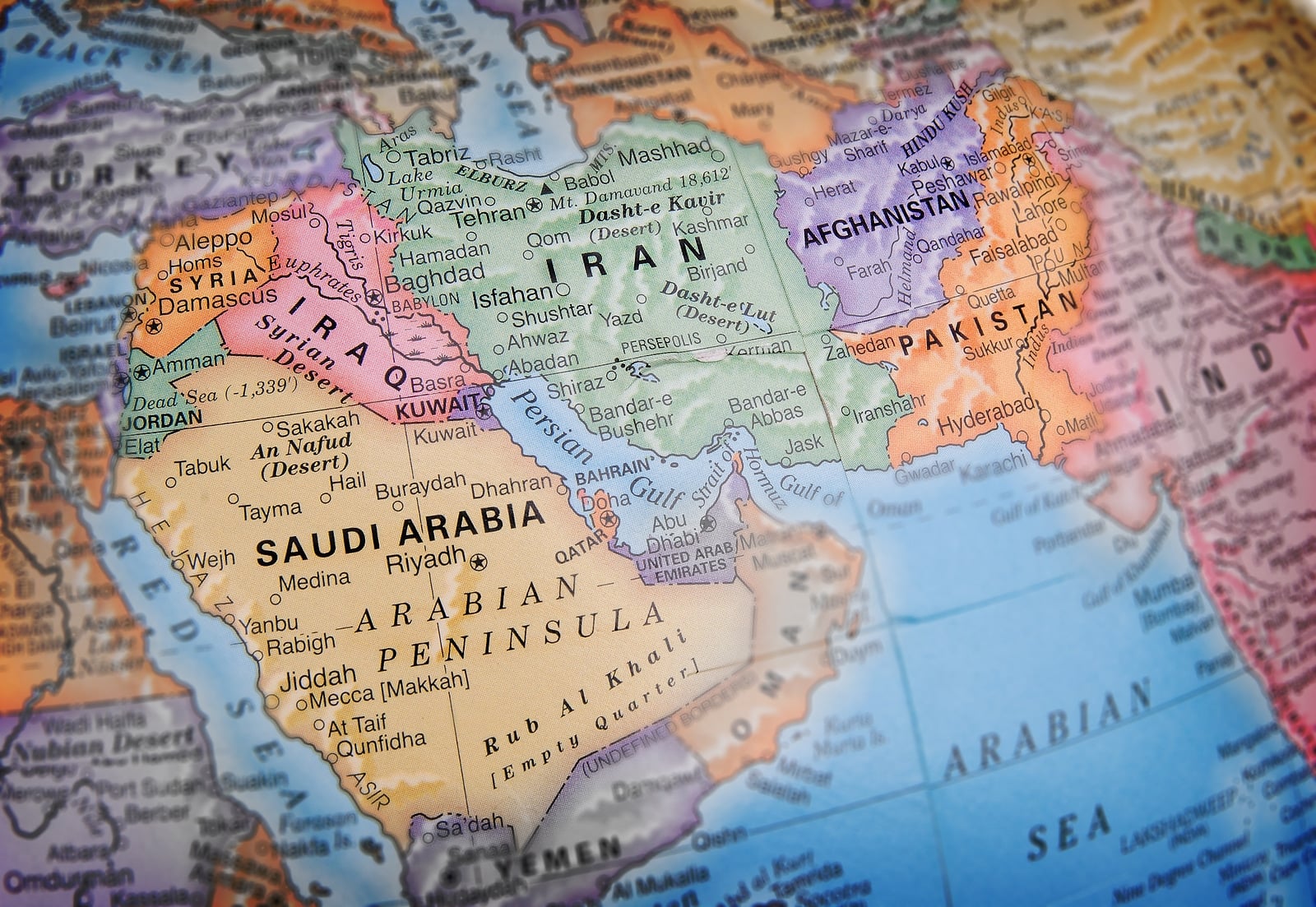
Standoff between Iran and US continues as both impose blockades of critical shipping waterway Iranian forces have seized two ships in the strait of Hormuz, as the US and Iran doubled down on imposing separate blockades of the critical shipping waterway that have choked global energy markets.The standoff over the narrow waterway – through which about 20% of the world’s oil and liquefied natural gas passed through during peacetime – raised doubts about whether stalled peace negotiations would resume. Continue reading...
Donald Trump says US ready to renew attacks but Iran appears unwilling to bend to US president’s threatsIntense efforts were under way on Tuesday to bring Iran and the US together in Pakistan for a new round of talks, a day before the end of the two-week ceasefire that has paused the conflict in the Middle East.Donald Trump said on Tuesday he is ready to renew attacks against Iran if progress is not made at any talks, with the US military “raring to go”. Continue reading...
US president’s hubristic and contradictory social media statements are key stumbling block to ending the warDonald Trump’s blend of threats and hubristic commentary, often casually dismissive of Iran, has, as much as the continuation of the US naval blockade of Iranian ports, been the key stumbling block to restarting peace talks between the two countries under Pakistan’s mediation in Islamabad.However much the Iranian foreign ministry insists it would not respond to every social media utterance issued by the US president on Iran, and sometimes there are as many as seven a day, Tehran cannot ignore them all, even if they contradict what the Iranians are being told in private about Trump’s true intentions. Continue reading...
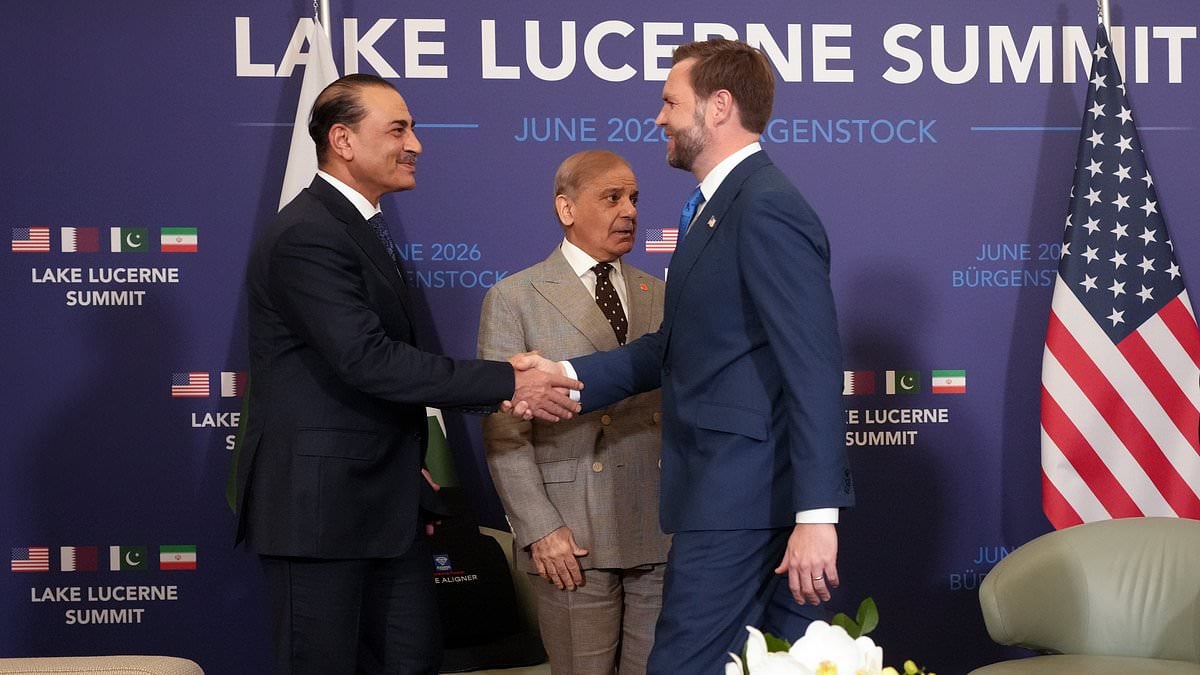
In today’s newsletter: Our diplomatic editor on whether permanent peace is possible – or whether there will be a new escalation in the conflictGood morning. The Gulf is stuck in limbo between war and peace. Despite a ceasefire deal between the US and Iran, both sides have ramped up threats once again. A lasting end to the violence feels possible, but so does a renewed round of fighting – and more death, destruction and economic pain.JD Vance, the US vice-president, is expected to fly to Pakistan today if Iran agrees to further talks on ending the conflict. Tehran has given mixed signals about whether they will attend and, at time of writing, it remainds unclear. Meanwhile, time is ticking away on the current two-week ceasefire, which runs out in less than 48 hours.Iran war | JD Vance was expected to fly to Islamabad at the head of a US diplomatic delegation on Tuesday if Iran agrees to further talks in the Pakistani capital as the deadline for the current ceasefire looms.UK politics | Keir Starmer has accused Olly Robbins of deliberately and repeatedly obstructing the truth about the Peter Mandelson vetting scandal before a high-jeopardy appearance of the sacked top official before MPs on Tuesday.Health | Changes to microbes that live in the gut can identify people at greater risk of Parkinson’s disease long before symptoms develop, according to work that also raises hopes for new therapies.Economy | A quarter of a million people could lose their jobs by the middle of next year as Britain “flirts with recession”, analysis suggests, after business confidence was shattered by the US-Israel war on Iran.Technology | Apple announced on Monday that it had named a replacement for Tim Cook as CEO after nearly 15 years, with head of hardware engineering John Ternus succeeding him on 1 September. Cook will stay at the company in the role of executive chair. Continue reading...
• The US Navy fired upon and seized an Iranian-flagged vessel amid escalating tensions in the ongoing US-Israeli war on Iran, which began with airstrikes on February 28, 2026, targeting Iranian leadership and nuclear sites.
• President Trump confirmed the action, occurring as Iran's retaliatory strikes hit Israel and US bases, compounded by the closure of the Strait of Hormuz disrupting global oil supplies.
• Oil prices have exceeded $100 per barrel, prompting IEA nations to release strategic reserves; the incident dims prospects for peace talks and amplifies economic fallout worldwide.
FTSE 100 slides and UK gas prices up amid fears strait of Hormuz will be closed for extended periodBusiness live – latest updatesOil prices rose sharply and European stock markets fell on Monday, after the US seizure of an Iranian vessel hit hopes for a peace deal.Brent crude, the international benchmark for oil prices, rose by as much as 5% on Monday to $95.50 (£70.75) a barrel. Continue reading...
• President Trump expressed optimism that an Iran peace deal is 'looking very good,' signaling potential near-term resolution to the US-Iran conflict that has destabilized financial markets.
• Investors are actively weighing the likelihood and terms of a potential Iran truce as a key variable influencing near-term market direction and energy price trajectories.
• Geopolitical risk premiums embedded in oil prices and equity valuations could face significant repricing if a comprehensive ceasefire agreement is formally announced.
• The S&P 500 rose 0.8% to close above 7,000 points for the first time, while the Nasdaq Composite surged 1.6% to a record high, driven by gains in technology and software stocks and optimism over potential U.S.-Iran peace talks.
• Bank of America posted a 17% rise in quarterly profit from strong trading and investment banking fee rebounds, while Morgan Stanley reported a near 30% profit jump supported by record equities trading revenue and improved dealmaking activity.
• Stock index futures edged higher after-hours, with S&P 500 Futures up 0.2% to 7,070.75 points and Nasdaq 100 Futures rising 0.3% to 26,440.75 points, reflecting continued market momentum.
A Pakistani official said he expected talks to restart soon, but it may take longer than Trump suggested. Plus: how to stop catastrophizing? Here’s what experts sayGood morning.Donald Trump has said that US-Iranian peace talks could resume in Islamabad over the next two days.Have Israel and Lebanon had talks yet? Yes. The two held negotiations about their conflict in Washington – their first direct talks in over three decades. The US state department praised the two sides for having “productive discussions” but Hezbollah has said it will not abide by any agreements made by Israeli and Lebanese government negotiators in Washington.For the latest updates, follow our liveblog. Continue reading...
US president says negotiations could restart in Islamabad under ‘fantastic’ Pakistani army chief Asim Munir• Middle East crisis – live updatesDonald Trump has said that US-Iranian peace talks could resume in Islamabad over the next two days, and complimented the work of Pakistan’s army chief as mediator.The US president was speaking on Tuesday to a New York Post reporter who had gone to Islamabad for the first round of ceasefire talks over the weekend. After an interview discussing prospects for negotiations, the reporter said the president called her back “with an update”. Continue reading...
• Peace talks between the US, Israel, and Iran held in Islamabad have broken down, prompting the Trump administration to announce a US Navy blockade of the Strait of Hormuz.
• The breakdown in diplomatic negotiations marks an escalation in US-Iran tensions and threatens to further disrupt global energy supplies already stressed by Middle East instability.
• The blockade decision signals a shift from diplomatic engagement to military enforcement, with potential consequences for international shipping and energy markets worldwide.