Most justices seemed skeptical of the administration’s argument, despite Trump’s unprecedented appearanceIt was a surreal morning at the US supreme court.For more than two hours, the nation’s highest court considered arguments over whether Donald Trump – via an executive order – could tear down an idea that has been fundamental to the story and trajectory of the United States: that almost anyone born on US soil is an US citizen. Continue reading...
• The U.S. Supreme Court ruled 6-3 on April 1, 2026, that state bans on conversion therapy for minors violate counselors' First Amendment rights.
• The decision overturns California's pioneering 2012 law and similar measures in over 20 states prohibiting practices aimed at changing sexual orientation.
• Chief Justice Roberts wrote the majority opinion, emphasizing licensed professionals' speech protections in private counseling.
Some underscore Trump’s unprecedented court appearance as protesters defend 14th amendment rightAround 250 demonstrators packed the steps of the supreme court on Wednesday, chanting in defense of birthright citizenship as Donald Trump himself watched from the public gallery in an unprecedented appearance.Beija McCarter, an eighth grade US history teacher, and Noah Goldstein, a New Yorker who was also at last month’s trans rights rally, both arrived at the demonstration with little optimism about what the justices inside might decide. Continue reading...
• The Supreme Court heard oral arguments on Wednesday, April 1, 2026, in Trump v. Barbara, a case challenging the constitutionality of birthright citizenship under the 14th Amendment.
• President Donald Trump attended the arguments in person, making him the first sitting president to observe Supreme Court oral arguments, according to historians cited by Politico.
• The case centers on Trump's executive order on birthright citizenship, with the Court expected to issue a ruling later in the term that could fundamentally alter citizenship eligibility in the United States.
Court case will weigh the constitutionality of his contentious bid to end birthright citizenship President Donald Trump will watch the US supreme court hear a landmark case today weighing the constitutionality of his contentious bid to end birthright citizenship – an extraordinary and possibly unprecedented move for the nation’s highest office.Trump signed an executive order on his return to the White House decreeing that children born to parents in the United States illegally or on temporary visas would not automatically become US citizens.Trump signed an executive order seeking to restrict mail-in voting across the US with a series of new requirements, including the establishment of a national voter list.The move was unprecedented and likely unconstitutional, according to experts. The Brennan Center said in response, “He has no lawful authority to write the rules that govern our elections. He tried a year ago; we sued him; we won. A year later, he has tried again. He can expect the same result.”Several states and Democratic officials criticized the order, describing it as an illegal attack that amounted to voter suppression ahead of the midterms, and said they will take legal action to stop the president, including California.Trump continued to fume over today’s ruling from a US judge that halted the construction of his $400m White House ballroom, and sharply criticized the decision during a press briefing and on social media.Pete Hegseth lifted the suspension of the crew of the military helicopters that hovered near the home of singer Kid Rock, and said there would be no investigation. Continue reading...
Trump issued executive order in January 2025 that seeks to undo birthright citizenship, overriding the constitutionSign up for the Breaking News US email to get newsletter alerts in your inboxThe US supreme court will hear arguments on Wednesday over whether Trump can reverse generations of precedent and deny birthright citizenship to babies born on US soil, which would impact hundreds of thousands of children annually.On his first day in office, Trump issued an executive order that sought to undo birthright citizenship, overriding the US constitution – or, as his administration has argued, interpret the constitution correctly, in defiance of supreme court precedent. Continue reading...
• The U.S. Supreme Court will argue Barbara v. United States on April 1, directly challenging President Trump's executive order limiting birthright citizenship.
• The Trump administration has secured victories in most immigration-related lawsuits reaching the court, including last summer's birthright citizenship dispute.
• Legal experts note that these immigration wins do not guarantee success in the citizenship case, as it tests the 14th Amendment's core protections.
Doug Evans, a former prosecutor, removed nearly all Black jurors in Terry Pitchford’s 2006 trial, raising legal questionsThe supreme court is hearing arguments on Tuesday about racial bias in jury selection in a death penalty case stemming from Mississippi.Doug Evans, a now-retired prosecutor, removed all but one Black person from a jury that convicted Terry Pitchford of capital murder in 2006. The judge, Joseph Loper, allowed the juror strikes and Mississippi’s supreme court upheld the conviction. Continue reading...
• A March 26 SCOTUSblog outside opinion by Neil Weare examines a Supreme Court ruling that permitted a president to redefine birthright citizenship, highlighting judicial deference in constitutional matters.
• The piece critiques the court's approach to executive overreach on a core 14th Amendment right, drawing parallels to historical citizenship disputes.
• It argues the decision sets a precedent for future policy changes via executive action without robust judicial checks.
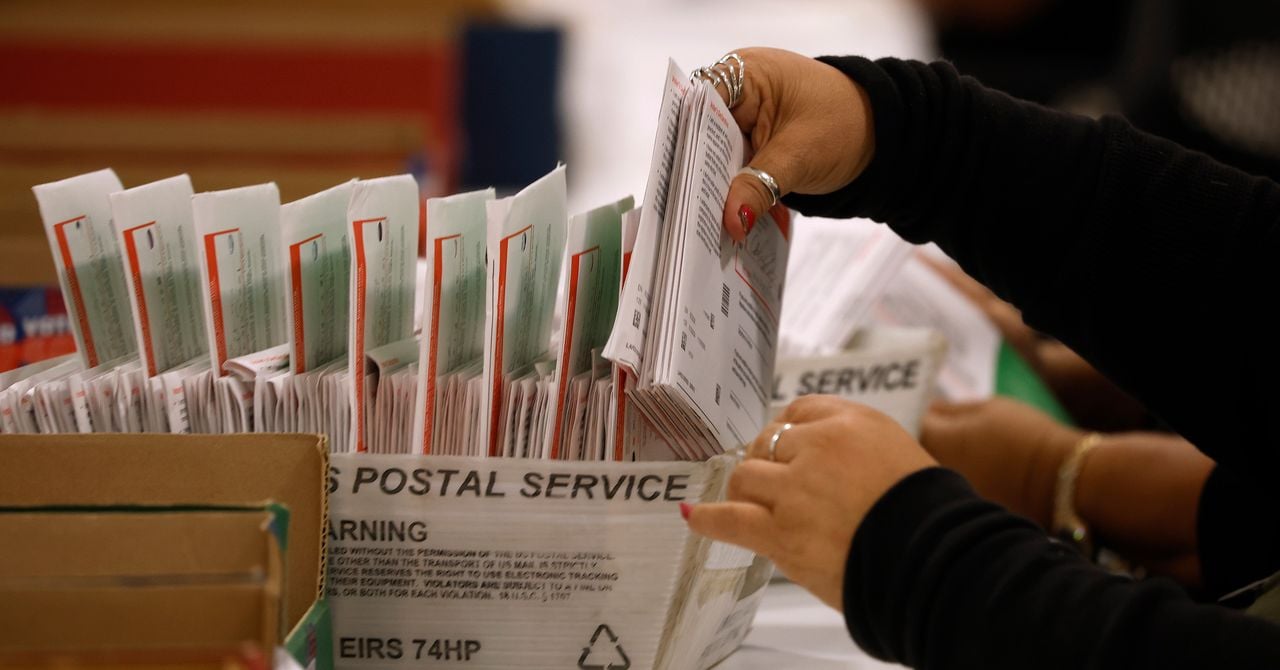
Case focuses on RNC’s challenge to a Mississippi law that allows ballots to count if they are arrive after election dayUS politics live – latest updatesThe US supreme court is hearing arguments Monday about whether mail-in ballots can be counted if they arrive after election day, which would affect laws in more than a dozen states during a midterm election year.The justice are considering Watson v Republican National Committee, a challenge over a Mississippi state law that was brought in 2024 by the Republican party. Mississippi allows mailed ballots to be counted if they arrive within five business days of election day, so long as they were postmarked by election day. Fourteen states, Washington DC and three US territories have similar laws that allow for late-arriving ballots to be counted. Continue reading...