L'ancien dirigeant de la NAACP lance une bataille juridique et publique contre son licenciement
- L'ancien président et PDG de la NAACP, Ben Jealous, déclare qu'il conteste la décision de l'organisation de le licencier, qualifiant cette mesure de « décourageante » et accusant le conseil d'administration d'avoir abandonné sa mission.
- Le différend s'est étalé sur la place publique, Jealous alléguant des dysfonctionnements internes et des pressions politiques au sein de l'organisation, tandis que le conseil d'administration invoque des désaccords stratégiques et son style de direction.
- Les leaders des droits civiques sont divisés, certains soutenant le droit du conseil à choisir ses dirigeants et d'autres avertissant que la controverse pourrait affaiblir l'influence de l'organisation à l'approche des élections de 2026.
- Jealous a indiqué qu'il pourrait exercer des recours juridiques et poursuivre son action publique via des réseaux alliés si le conseil ne revient pas sur sa décision.
Sources et citations
1 sourcePlus d'actualités
Élections de mi-mandat : la bataille pour 2028 commence
• Dana et Mike Allen, cofondateur d'Axios, ont analysé l'évolution du paysage politique américain en préparation des élections de mi-mandat de 2026. • La discussion a mis en lumière des points de friction politique émergents, notamment le mécontentement croissant du public concernant la construction et l'impact des centres de données d'IA.
Lire l'original · radio.foxnews.com FOX News Radio
Le Congrès évite un arrêt des services gouvernementaux avant les élections de mi-mandat : NPR
• La Chambre des représentants des États-Unis a voté mardi l'approbation d'une législation prolongeant le financement du gouvernement, évitant ainsi un shutdown potentiel. • La mesure de financement approuvée garantit que les opérations gouvernementales se poursuivront jusqu'à la mi-décembre, repoussant la prochaine échéance après les prochaines élections de mi-mandat.
Lire l'original · npr.orgLa Chambre des représentants adopte un projet de loi de financement à court terme pour éviter un shutdown avant les élections - News9.com
• La Chambre des représentants a adopté un projet de loi de financement à court terme par 370 voix contre 48 pour maintenir le gouvernement opérationnel jusqu'au début du mois de décembre. • Cette action législative a été entreprise spécifiquement pour empêcher un shutdown du gouvernement avant les prochaines élections de mi-mandat.
Lire l'original · news9.comComment les élections de mi-mandat de 2026 pourraient façonner la politique de retraite
• Les élections de mi-mandat de 2026 devraient influencer considérablement l'orientation future de la politique de retraite des États-Unis et de la législation fédérale. • Au-delà des lois fédérales, le paysage de la retraite sera façonné par des actions exécutives, des directives réglementaires et divers programmes au niveau des États.
Lire l'original · seekingalpha.comLe Congrès vote pour éviter un arrêt des services gouvernementaux avant les élections de mi-mandat
• La Chambre des représentants a adopté un projet de loi mardi pour prolonger le financement du gouvernement jusqu'au 11 décembre, évitant ainsi avec succès un arrêt potentiel des services avant les prochaines élections de mi-mandat. • La mesure finale diffère de la proposition initiale de la Chambre en omettant le financement de Customs and Border Protection et de Immigration and Customs Enforcement, car ces deux agences restent financées jusqu'à la fin du mandat de l'administration Trump.
Lire l'original · cnn.com CNN
CNNREGARDER EN DIRECT : La Chambre revient après la pause d'août pour s'attaquer à un projet de loi de finances provisoire et plus encore
• Les législateurs de la Chambre sont retournés à Washington lundi après une pause d'août de cinq semaines pour traiter un programme législatif restreint. • L'objectif principal est un vote sur un projet de loi de dépenses provisoire destiné à maintenir le financement complet du gouvernement fédéral jusqu'au début du mois de décembre.
Lire l'original · pbs.org PBS NewsHour
La Chambre approuve un projet de loi de financement à court terme pour éviter un shutdown avant les élections
• La Chambre des représentants a voté mardi l'adoption d'un projet de loi de financement à court terme, évitant ainsi un shutdown gouvernemental qui aurait eu lieu à la fin du mois de septembre. • La législation, qui avait déjà été approuvée par le Sénat, maintient les niveaux de dépenses actuels jusqu'au 11 décembre.
Lire l'original · nbcnews.com NBC News
La Chambre des représentants adopte un projet de loi de financement pour éviter un shutdown avant les élections de mi-mandat | Politique US
• La Chambre des représentants a adopté une résolution continue avec un vote de 370 contre 48 pour approuver les dépenses publiques et éviter un shutdown avant les élections de mi-mandat. • Le projet de loi prolonge le financement jusqu'au 11 décembre et inclut un report d'une règle du White House Office of Management and Budget que les démocrates craignaient puisse permettre à l'administration Trump d'annuler des subventions de manière arbitraire.
Lire l'original · theguardian.comMises à jour en direct : Trump annonce de nouvelles frappes américaines contre l'Iran en représailles aux mines marines dans le détroit d'Ormuz, ciblant une base
• Le président Trump a annoncé de nouvelles frappes militaires américaines contre une base iranienne en représailles au déploiement de mines marines dans le détroit d'Ormuz. • L'escalade fait suite aux attaques contre deux pétroliers, marquant un retour aux hostilités dans un conflit de six mois qui était largement resté dans une impasse.
Lire l'original · cbsnews.comArrêt du gouvernement ÉVITÉ après l'adoption par la Chambre d'un projet de loi de financement provisoire... repoussant la lutte sur les dépenses après les élections de mi-mandat
• Les Républicains de la Chambre ont adopté un projet de loi de financement provisoire pour éviter un arrêt du gouvernement qui devait survenir à la fin du mois. • La mesure retarde concrètement la lutte plus large sur les dépenses jusqu'après les prochaines élections de mi-mandat, permettant aux législateurs de retourner dans leurs États respectifs.
Lire l'original · dailymail.com Mail Online
Le guide du Federalist pour la session 2026 de la Cour suprême
• La Cour suprême a annoncé en juin 2026 qu'elle examinerait une affaire concernant les conditions d'inscription des électeurs en Arizona lors de sa session 2026-2027. • La Cour doit déterminer si le National Voter Registration Act (NVRA) interdit à l'Arizona d'exiger une preuve de citoyenneté américaine pour l'inscription ou d'annuler les inscriptions de non-citoyens dans les 90 jours précédant une élection.
Lire l'original · thefederalist.com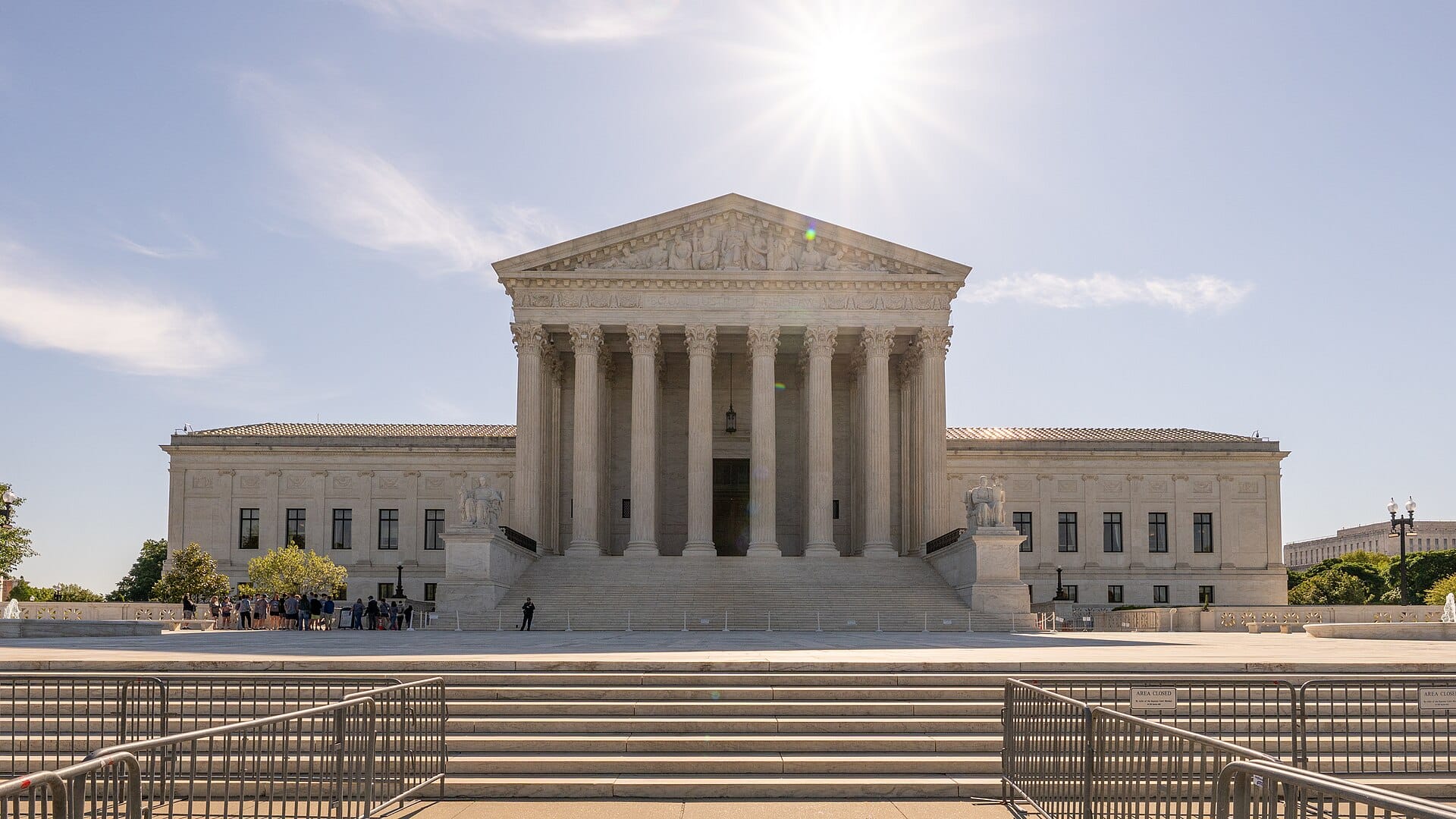 The Federalist
La Chambre des représentants des États-Unis tente d'éviter un shutdown malgré la résistance des républicains radicaux
• La Chambre des représentants des États-Unis devrait voter ce mardi une mesure de dépenses à court terme conçue pour empêcher un shutdown du gouvernement. • La proposition vise à maintenir le gouvernement opérationnel jusqu'aux élections de mi-mandat de novembre, permettant ainsi aux membres des deux partis de se concentrer sur leurs campagnes.
Lire l'original · cnbc.com
