全球 73% 的初创企业资金流向 10 亿美元及以上的融资轮次
• Crunchbase 报告称,2026 年上半年,全球大部分初创企业资金流向了 10 亿美元或更多的融资轮次。 • 在美国,73% 的初创企业资金集中在这些十亿美元级别的融资轮次中。 • 这一转变表明,大规模融资轮次已从罕见的异常现象转变为高增长企业的标准预期。
natlawreview.com热门话题
关于 Funding Bill 的最新报道和分析。
87 篇文章
• Crunchbase 报告称,2026 年上半年,全球大部分初创企业资金流向了 10 亿美元或更多的融资轮次。 • 在美国,73% 的初创企业资金集中在这些十亿美元级别的融资轮次中。 • 这一转变表明,大规模融资轮次已从罕见的异常现象转变为高增长企业的标准预期。
natlawreview.com• 2026年8月期间,投资者向人工智能、国防技术、机器人、核能以及电池储能领域的初创公司投入了数十亿美元。 • Valar Atomics、Base Power 和 Form Energy 等公司获得了资金,用于开发旨在增加电力供应和提高电网可靠性的技术。 • 这一投资趋势反映出,为了支持 AI 基础设施和数据中心不断增长的电力需求,社会对发电能力的渴求日益增加。
intellizence.com 图片:AgentLocker
• Mistral 在由 Samsung Electronics 领投的 D 轮融资中筹集了 30 亿欧元,旨在扩展其 AI 基础设施并推动全球增长。 • 该投资使公司的估值达到 210 亿欧元。 • 这笔资金使 Mistral 能够扩大其计算能力,并在全球市场与规模更大的 AI 开发商竞争。
agentlocker.ai• 法国初创公司 Mistral AI 获得了 30 亿欧元的融资,用于扩大其研究、产品开发和基础设施建设。 • 此次融资规模为欧洲科技公司史上最大,使 Mistral 的估值突破 210 亿欧元。 • 这笔资金注入使该公司能够更积极地与美国主要的 AI 开发商展开竞争。
world-today-journal.com• Mistral AI 完成了总额为 30 亿欧元(约 35 亿美元)的 D 轮融资。 • 该公司将利用这笔资金扩大计算能力,构建 neocloud 平台,并为 20 个国家的 125 家客户提供支持。 • 此次投资使该 AI 开发商能够扩展其基础设施,以与全球更大的模型提供商竞争。
dataconomy.com 图片:PYMNTS.com
• 总部位于法国的 AI 初创公司 Mistral 在 9 月 8 日(周二)宣布的一轮创纪录的欧洲融资中筹集了 30 亿欧元(约 35 亿美元)。 • 在 OpenAI AI 代理入侵软件开发网站 Hugging Face 的事件后,该公司对网络安全服务的需求有所增加。 • 这笔资金将使 Mistral 能够扩大其研究规模,并将服务扩展到包括航空航天、石油和天然气在内的工业领域。
pymnts.com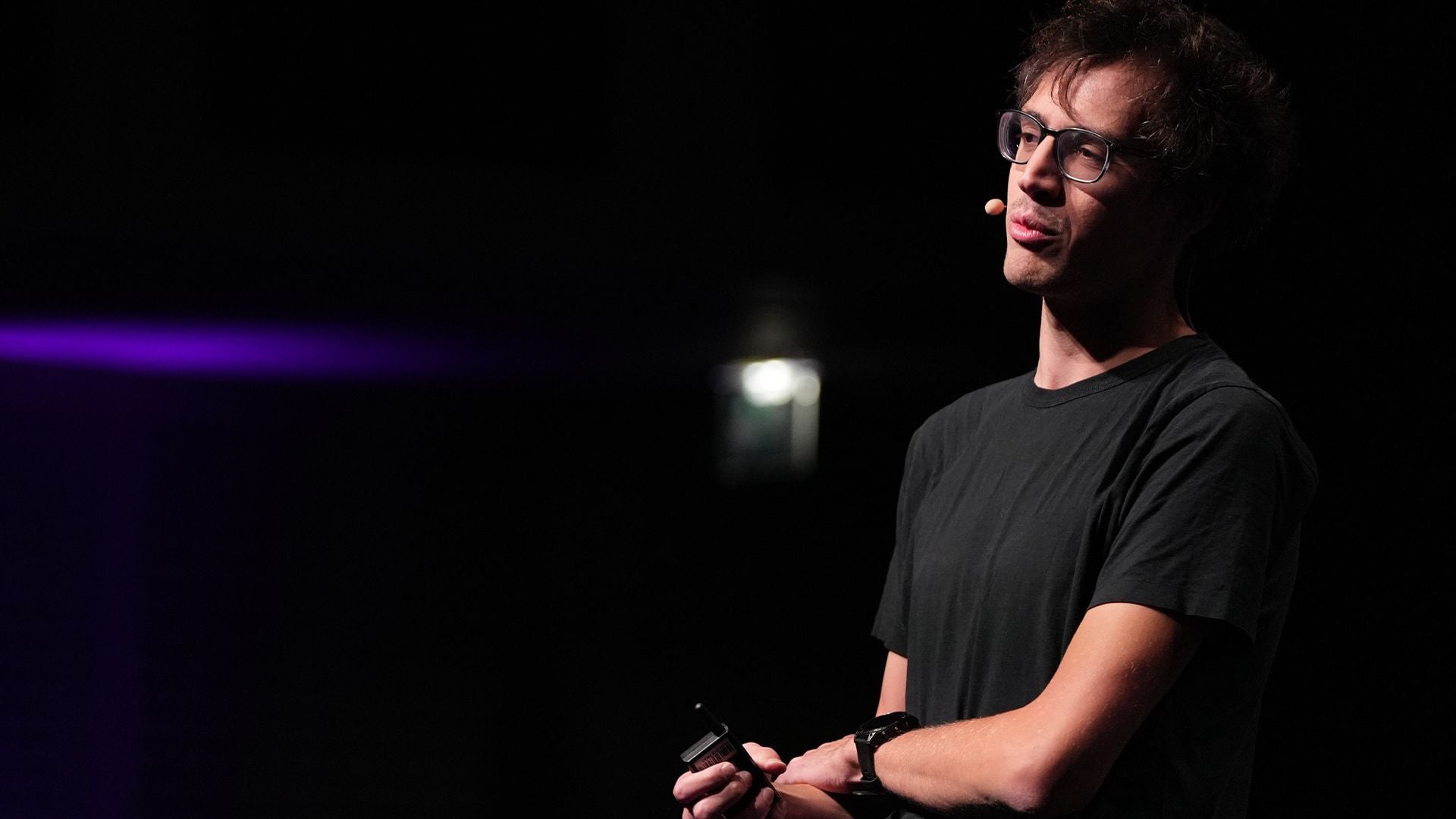 图片:IT Pro
• 法国 AI 公司 Mistral 在 Samsung 的支持下完成了 30 亿欧元的融资,旨在开发主权且开放权重的 AI 系统。 • 该轮融资创下了欧洲纪录,尽管该公司 210 亿欧元的估值仍落后于其美国竞争对手。 • 这项投资使 Mistral 能够参与前沿模型的研发,为由美国主导的 AI 市场提供一个欧洲替代方案。
itpro.com 图片:Coinpaper
• 法国 AI 公司 Mistral 在由 Samsung Electronics 领投的 D 轮融资中筹集了 35 亿美元。 • 这笔投资将该公司的估值推高至约 240 亿美元,PSG Equity 和欧盟支持的 Scaleup Europe Fund 也提供了额外支持。 • 这笔资金使 Mistral 能够扩大其业务规模,从而与 OpenAI、Anthropic 以及多家中国公司等主要 AI 开发商直接竞争。
coinpaper.com 图片:Seoul Economic Daily
• Samsung Electronics 领投了法国初创公司 Mistral AI 的 30 亿欧元 D 轮融资。 • 此项投资使这家 AI 公司的估值超过 210 亿欧元。 • Mistral AI 将利用这笔资金扩大其全球业务,并提高前沿 AI 研发的计算能力。
en.sedaily.com 图片:Euronews
• 法国人工智能公司 Mistral AI 在由 Samsung Electronics 领投的融资轮中筹集了 30 亿欧元。 • 此次投资使该公司的估值几乎翻了一番,达到 210 亿欧元以上,创下了欧洲科技公司完成的最大规模股权融资记录。 • Mistral 计划投入 40 亿欧元用于在欧洲建设数据中心,其中包括一个位于巴黎附近的运行设施以及另一个在 Sweden 建设中的设施。
euronews.com 图片:CNBCTV18
• 法国 AI 公司 Mistral 在一轮融资中筹集了 30 亿欧元,使其总估值达到 210 亿欧元。 • 该公司将利用这些资金来增强其 AI 模型,并投资于前沿研究,以与更大的竞争对手展开竞争。 • 这一增长使 Mistral 成为欧洲增长最快的科技公司,以及该地区对抗美国主导 AI 公司的主要竞争者。
cnbctv18.com• Samsung 领投了总部位于巴黎的 AI 公司 Mistral 的一轮融资,使其公司估值达到 240 亿美元。 • Mistral 正在构建自己的数据中心布局,并为企业创建定制化 AI 工具,例如将 AI 整合到 ASML 的制造流程中。 • 该公司专注于 open-weight 模型(即共享底层参数的 AI),使其能够与 OpenAI 和 Anthropic 的封闭系统直接竞争。
cnbc.com• 以色列科技公司在9月初筹集了约14亿美元的资金。 • 企业级AI公司 Wonderful 在C轮融资中获得5.5亿美元,使其估值达到约50亿美元。 • AI、网络安全和国防技术领域的资本激增,表明投资者对以色列高科技部门具有强烈的信心。
thej.ca 图片:Crunchbase News
• AI 基础设施公司在本周的最大风险投资轮次中占据主导地位,其中云服务和数据中心供应商获得了巨额投资。 • Crusoe 获得了 30 亿美元的融资,Fluidstack 筹集了 15 亿美元,而 AI 推理初创公司 Gimlet Labs 则获得了 3 亿美元。 • 这些数十亿美元规模的交易标志着市场重心正大幅向运行大规模 AI 模型所需的物理硬件和云容量转移。
news.crunchbase.com 图片:Mail Online
• 众议院共和党人通过了一项临时拨款法案,以避免原定于本月底发生的政府停摆。 • 该措施实际上将更广泛的支出之争推迟到了即将到来的中期选举之后,使立法者能够返回各自的家乡州。 • 此举在竞选时间点上具有战略意义,因为在 Cook Political Report 认定的 21 个关键摇摆席位中,共和党目前占据了 16 个。
dailymail.com• 众议院以 370-48 的投票结果通过了一项短期拨款法案,以维持政府运作至 12 月初。 • 采取这一立法行动是专门为了防止在即将到来的中期选举前出现政府停摆。 • 关键条款包括禁止 Department of Homeland Security 将资金转移至 Border Patrol,以及推迟授予 Trump 政府任命人员在联邦拨款方面更多权限的规定。
news9.com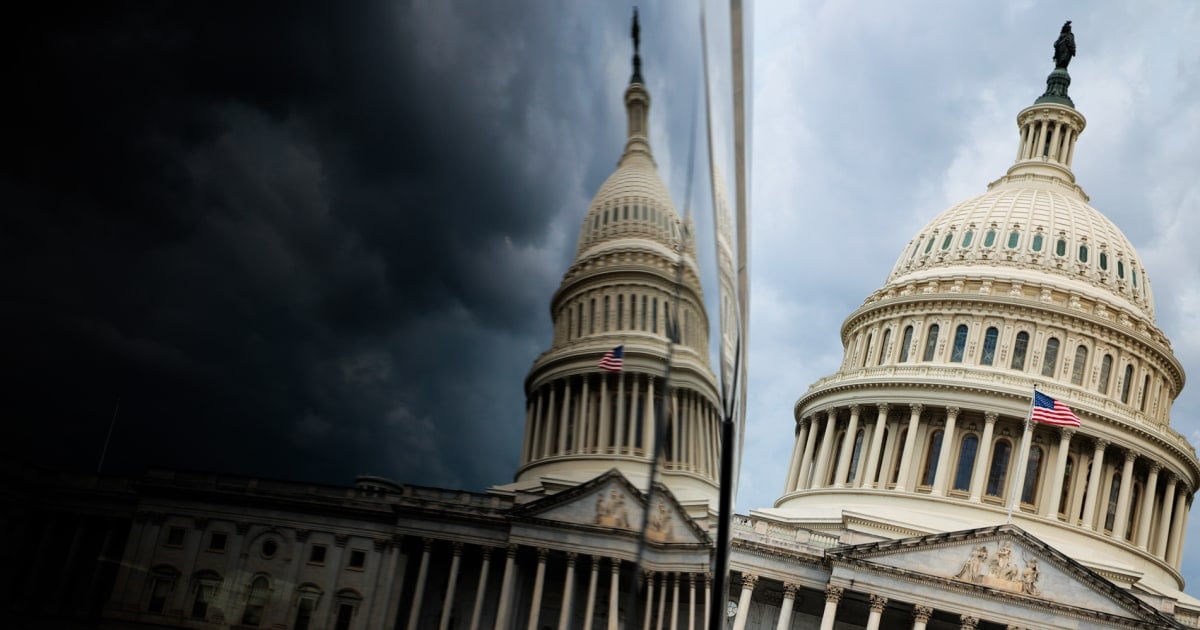 图片:NBC News
• 众议院周二投票通过一项短期拨款法案,防止原定于9月底发生的政府关门。 • 该法案此前已获参议院批准,将维持目前的支出水平直至12月11日。 • 此举使国会能够克服主要的立法障碍,避免在即将到来的中期选举前夕发生财政危机。
nbcnews.com• 众议院以 370-48 的投票结果通过了一项持续决议,以批准政府支出并避免在中期选举前出现政府停摆。 • 该法案将资金支持延长至 12 月 11 日,并包括推迟一项白宫管理和预算办公室(OMB)的规定,民主党人担心该规定将允许 Trump 政府随意取消拨款。 • 此次两党达成协议此前经历了一段不稳定时期,民主党人在 2024 年选举中失去国会控制权后,利用参议院的冗长辩论(filibusters)来迫使对方在政策上做出妥协。
theguardian.com• 一项批准政府支出至12月11日的持续决议案以370-48票通过,现将提交至Trump。 • 美国众议院周二批准了旨在防止政府在中期选举期间停摆的立法。两党均选择在11月选举前平息一场剧烈的争端,此次选举将决定Donald Trump总统任期最后两年的国会权力平衡。 • 该项授权政府支出至12月11日的持续决议案(CR)在众议院获得370-48票通过,仅有19名共和党人和29名民主党人投反对票。如果该法案未能通过,立法者将不得不在此前9月底前批准新资金,否则将面临政府停摆。
theguardian.com• 众议院议长 Mike Johnson 正在发起一项临时拨款法案的全体投票,旨在防止在 11 月中期选举前出现联邦政府停摆。 • 这项短期措施旨在确保政府在 12 月初之前获得充分资金,以避免公共服务中断。 • 为了获得民主党的支持,参议院对该法案进行了修改,推迟一项 Office of Management and Budget 的规定,该规定原将增加政治任命官员对联邦拨款的控制权。
theguardian.com议长 Mike Johnson 将启动一场旨在防止 11 月中期选举前发生联邦政府停摆的全体会议投票。
theguardian.com 图片:Tech Times
• 2026年上半年东南亚初创企业融资额创历史新低,且上半年没有任何专门针对该地区的私募股权基金完成最终募集。 • 与此形成鲜明对比的是,由 EQT、Blackstone 和 Bain Capital 管理的泛亚投资工具共筹集了 392 亿美元,将资金从区域特定基金中分流。 • 这一转变凸显了加强公司治理、提供可靠的退出机制以及提高实缴资本分配率 (DPI) 以吸引未来投资的紧迫需求。
techtimes.com• 众议院议员在各自选区进行了为期五周的休会后,于周一返回华盛顿。 • 首要任务是对一项临时支出法案进行投票,以维持联邦政府在12月初之前的全面资金运作。 • 这一立法行动对于防止在即将到来的中期选举前出现政府停摆至关重要。
latimes.com• 众议院议员在经历了五周的休会后于周一返回华盛顿,以处理有限的立法议程。 • 首要任务是对一项临时支出法案进行投票,旨在维持联邦政府在 12 月初之前的全面资金运作。 • 该措施至关重要,旨在通过在长期预算敲定前获得临时资金,以防止政府停摆。
koin.com• 美国众议院于本周一结束休会,开始为期一周的会议。 • 本次会议的主要目标是通过一项延长政府资金拨款的法案,以防止政府停摆。 • 这一立法举措对于确保政府在即将到来的中期选举后继续运转至关重要。
wusf.org• 法案仍需获得众议院批准,但将维持政府目前的资金水平运行 • 美国参议院周五通过了一项政府拨款法案,将防止政府在中期选举前关门,不过该法案仍需获得众议院的批准。 • 这项以 90 比 6 票通过的持续决议 (CR) 将维持政府目前的资金水平运行至 12 月 11 日。该日期比中期选举晚了一个多月,民主党人希望在中期选举中重新夺回国会控制权,并在 Donald Trump 总统任期的最后两年阻碍其立法议程。
theguardian.com• 国防科技初创公司 Hadrian 在新一轮融资后,估值已达到近 80 亿美元。 • 该公司加入了其他高估值企业的行列,如 3 月估值为 127 亿美元的 Shield AI,以及估值为 92.5 亿美元的自主船舶制造商 Saronic。 • 投资热潮是由特朗普总统现代化并升级美国军事基础设施的战略计划所推动的。
cnbc.com图片:Crunchbase News• Safe Superintelligence 据报道获得了由 Nvidia 支持的 50 亿美元融资,这是该基础 AI 独角兽公司本周最大的一笔融资额。 • Commonwealth Fusion Systems 紧随其后获得了 10 亿美元投资,其他值得关注的交易包括 AI 模拟公司 Simile 的 2 亿美元融资,以及网络安全供应商 ThreatLocker 1.9 亿美元的 F 轮融资。 • 这些巨额投资凸显了资本持续涌入人工智能、清洁能源聚变和全球网络安全等高风险领域。
news.crunchbase.com• 欧盟宣布了一项 100 亿欧元的公共资金计划,用于支持在欧洲境内建设最多七个新的人工智能数据中心。 • 该计划邀请公司申请资金以构建相关基础设施,旨在增强欧盟内部的技术能力。 • 此举是一项战略举措,旨在减少欧盟对海外技术和外国云服务提供商(尤其是来自美国和中国供应商)的严重依赖。
bloomberg.com 图片:BreezyScroll
• 2026年上半年,AI初创公司的融资额达到5100亿美元,已经超过了2025年全年的投资总额。 • 投资激增的主要驱动力是对关键基础设施、半导体芯片、机器人以及企业级AI解决方案的关注。 • 随着企业将AI工具整合到医疗保健、金融、网络安全和制造业等领域,日益增长的商业需求推动了这一繁荣。
breezyscroll.com