On this day in space! Sept. 8, 2004: NASA's Genesis spacecraft crashed in the Utah desert, shattering its samples of solar wind particles from the sun
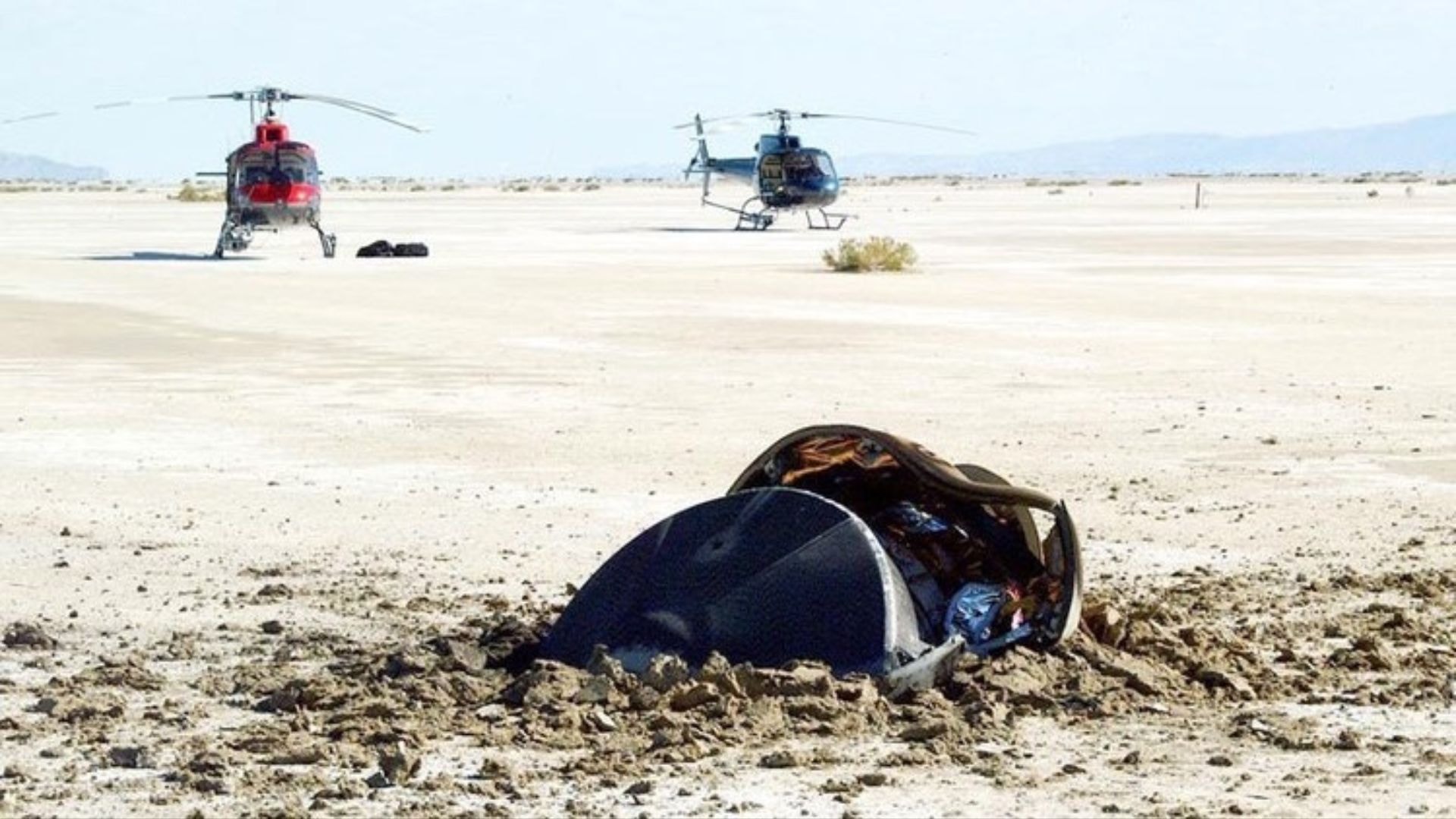
- NASA's Genesis spacecraft crash-landed in the Utah desert on September 8, 2004, after its parachutes failed to deploy.
- The mission was the agency's first attempt to return samples to Earth since the Apollo 17 mission in 1972.
- A basic design flaw caused the crash, which shattered the collected solar wind particles gathered from the sun.
Sources & Citations
1 sourceMore Stories
Most distant supernova: James Webb sees a star explode at cosmic dawn
• Scientists used the James Webb Space Telescope to detect the most distant supernova ever seen, which exploded when the universe was less than a billion years old. • The discovery was confirmed after a gamma-ray burst signaled the event, allowing researchers to isolate the blast from its faint host galaxy.
Read original · sciencedaily.com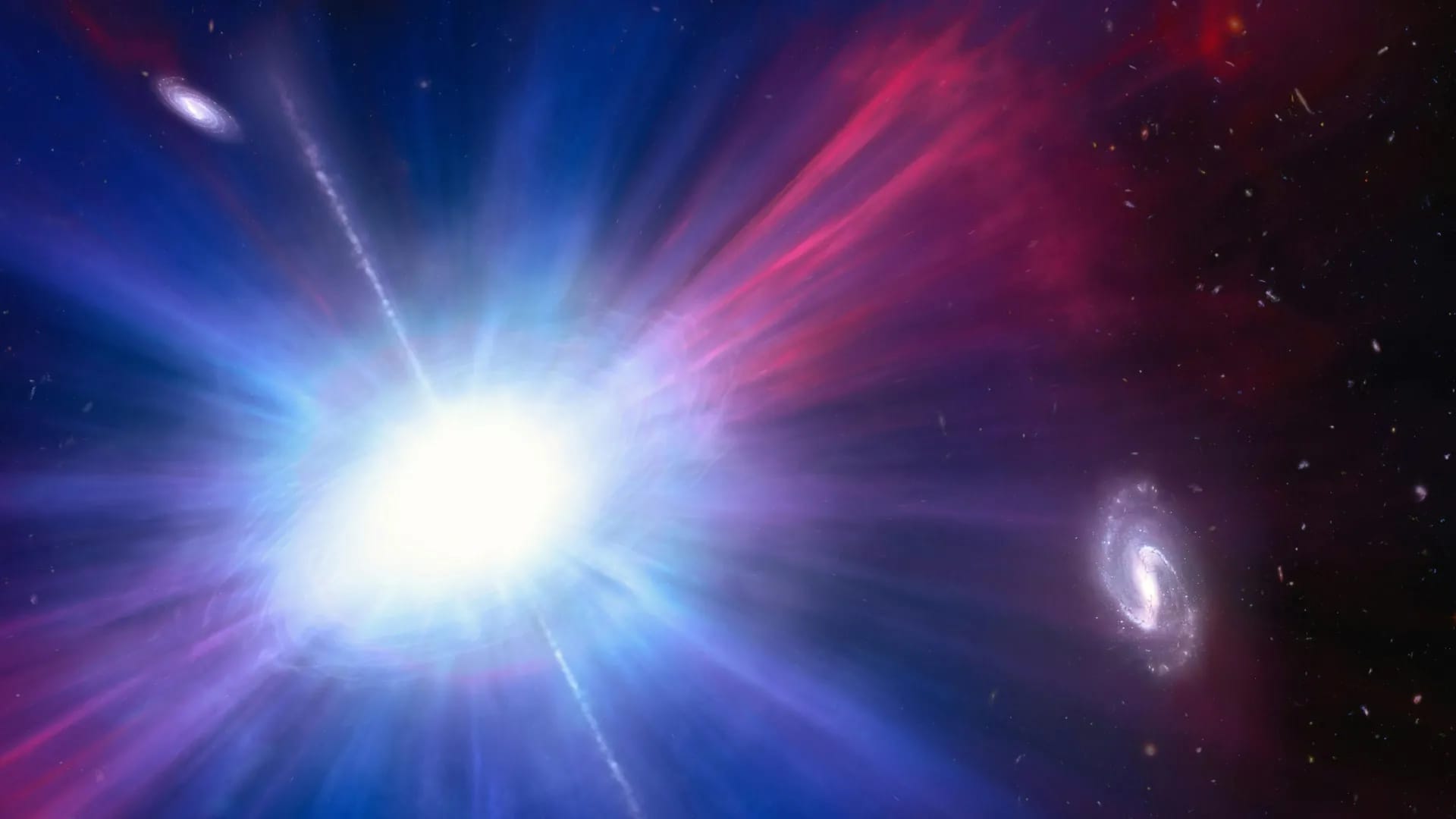 ScienceDaily
NASA Calls for Proposals to Accelerate Lunar Surface Technologies - NASA
• NASA announced a call for proposals on Tuesday, Sept. 8, to develop the technology and infrastructure required to establish a Moon Base in the lunar South Pole region. • The solicitation targets specific capability gaps such as power generation, oxygen extraction, and the production of construction materials on the lunar surface.
Read original · nasa.gov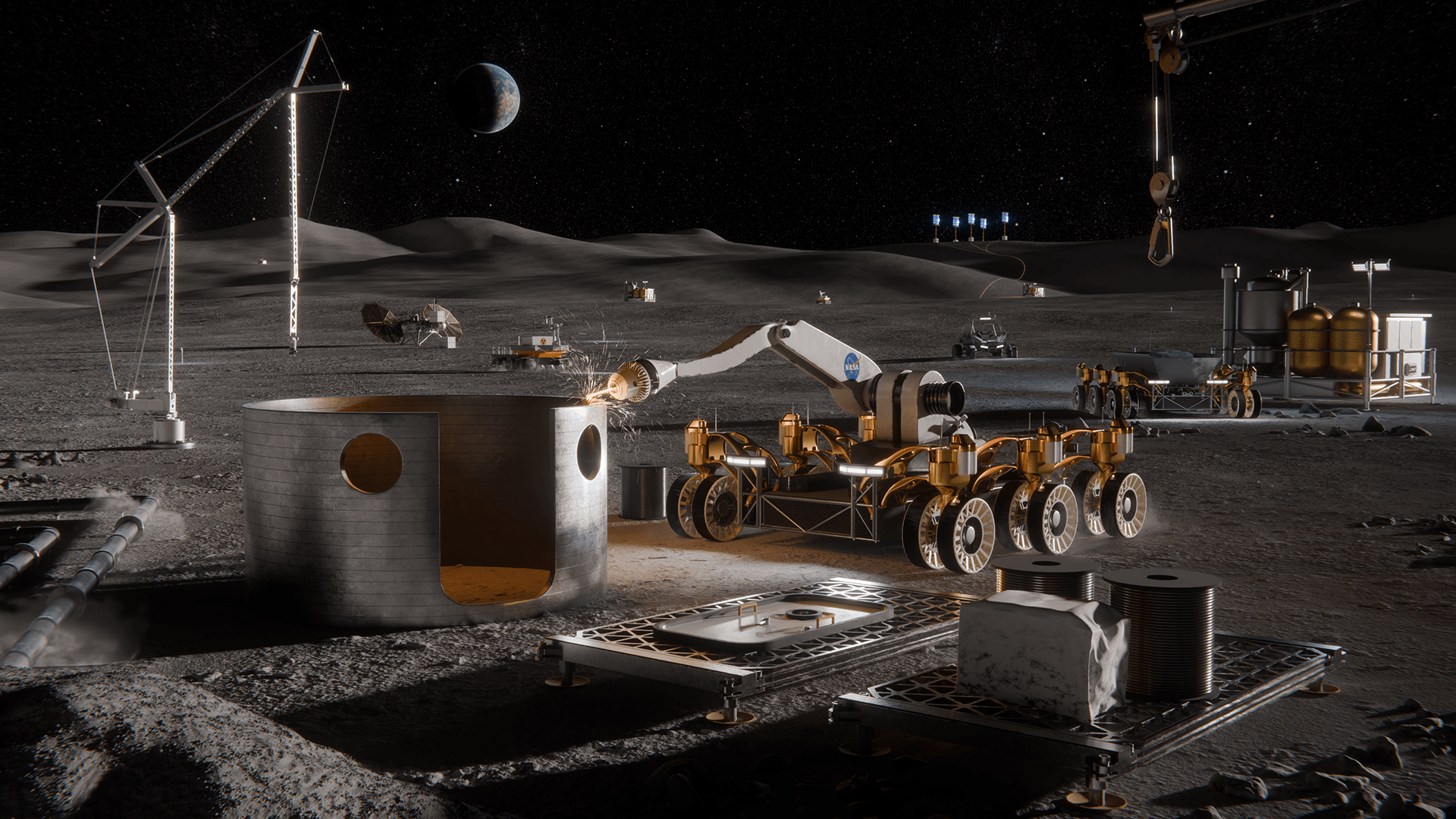 NASA
NASAStarwashing promotes space projects without addressing costs
• Space companies are using "starwashing" to promote space exploration projects while ignoring the environmental costs of their activities. • These firms build public support for expanding past Earth without taking accountability for the ecological damage caused by launches and debris.
Read original · theweek.com The Week
This cosmic particle was never meant to reach Earth. Now, scientists think they finally know why it did
• Researchers analyzed a mysterious photon from a massive gamma ray burst detected in 2022 that unexpectedly reached Earth. • The particle survived a journey through space that should have destroyed it according to current physics models.
Read original · scientificamerican.com Scientific American
Evolutionary Biology News -- ScienceDaily
• Researchers discovered that songbirds evolved through rare bursts of rapid change separated by long periods of slow development. • These evolutionary explosions frequently aligned with major climate shifts, indicating that environmental upheaval drives biological reshaping.
Read original · sciencedaily.comData centers in space: Four big obstacles and Elon Musk's ambitious timeline
• SpaceX CEO Elon Musk is planning to launch orbital data centers by late 2027 to support the growing infrastructure needs of artificial intelligence. • Other industry observers disagree with this timeline, suggesting that significant scale for space-based computing is more likely to arrive in the 2030s.
Read original · cnbc.comGalaxies tangled in science and spirit
• Students used the Gemini North Telescope on Maunakea to capture images of two spiral galaxies locked in each other's gravity. • The project highlighted the intersection of science and spirit through the observation of these interacting celestial bodies.
Read original · space.com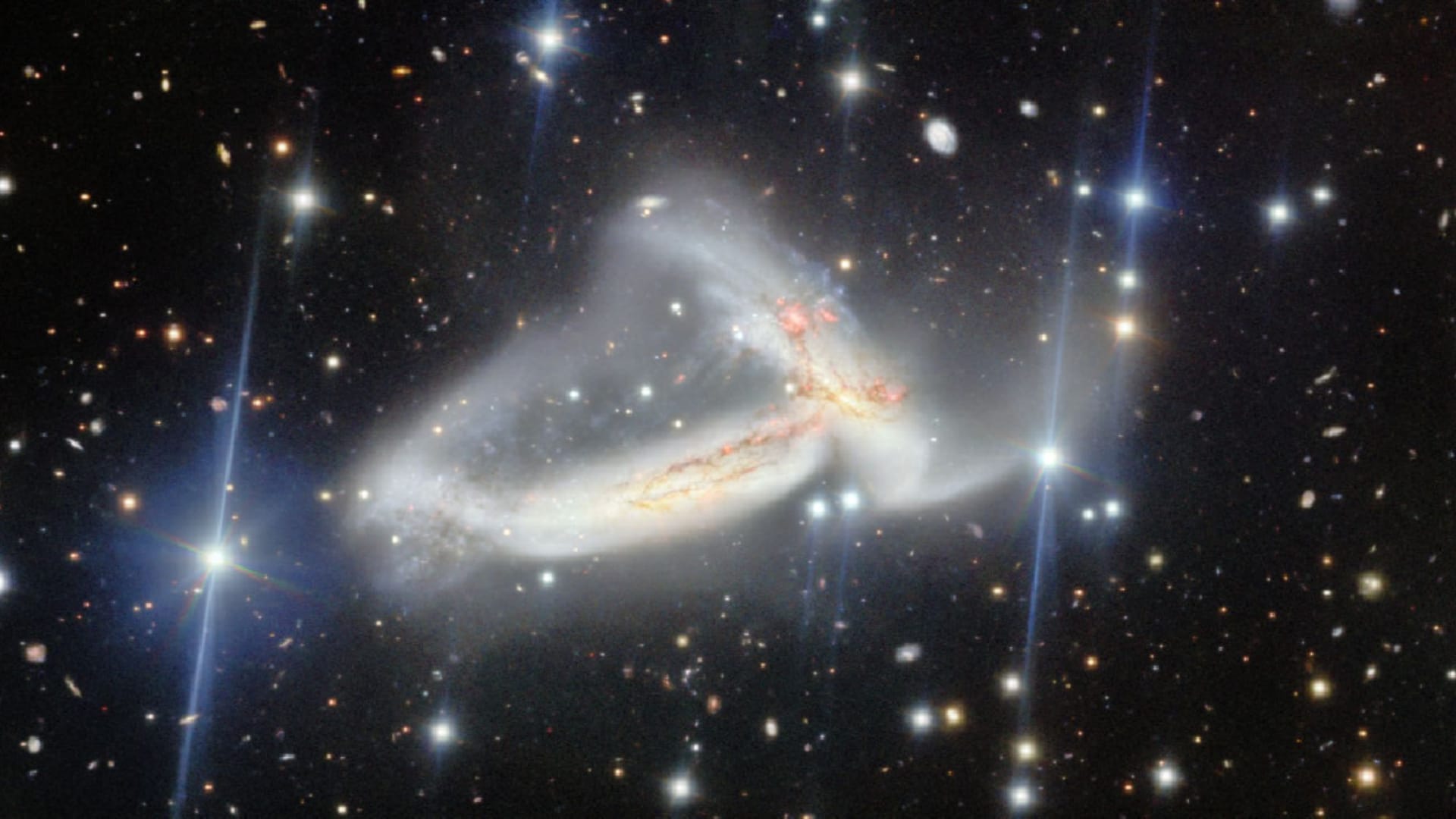 Space.com
Nearly 14 years into its Mars mission, NASA’s Curiosity rover photographed a valley called Valle Grande in June 2026 and found the ground carpeted with honeycomb-like fractures, each just 4–8 centimetres across, stretching in every direction as far as its cameras could see. - ScienceBlog.com
• NASA’s Curiosity rover photographed a valley called Valle Grande in June 2026, discovering a vast field of honeycomb-like ground fractures. • The rover captured images of small polygonal fractures that measure between 4 and 8 centimeters across.
Read original · scienceblog.com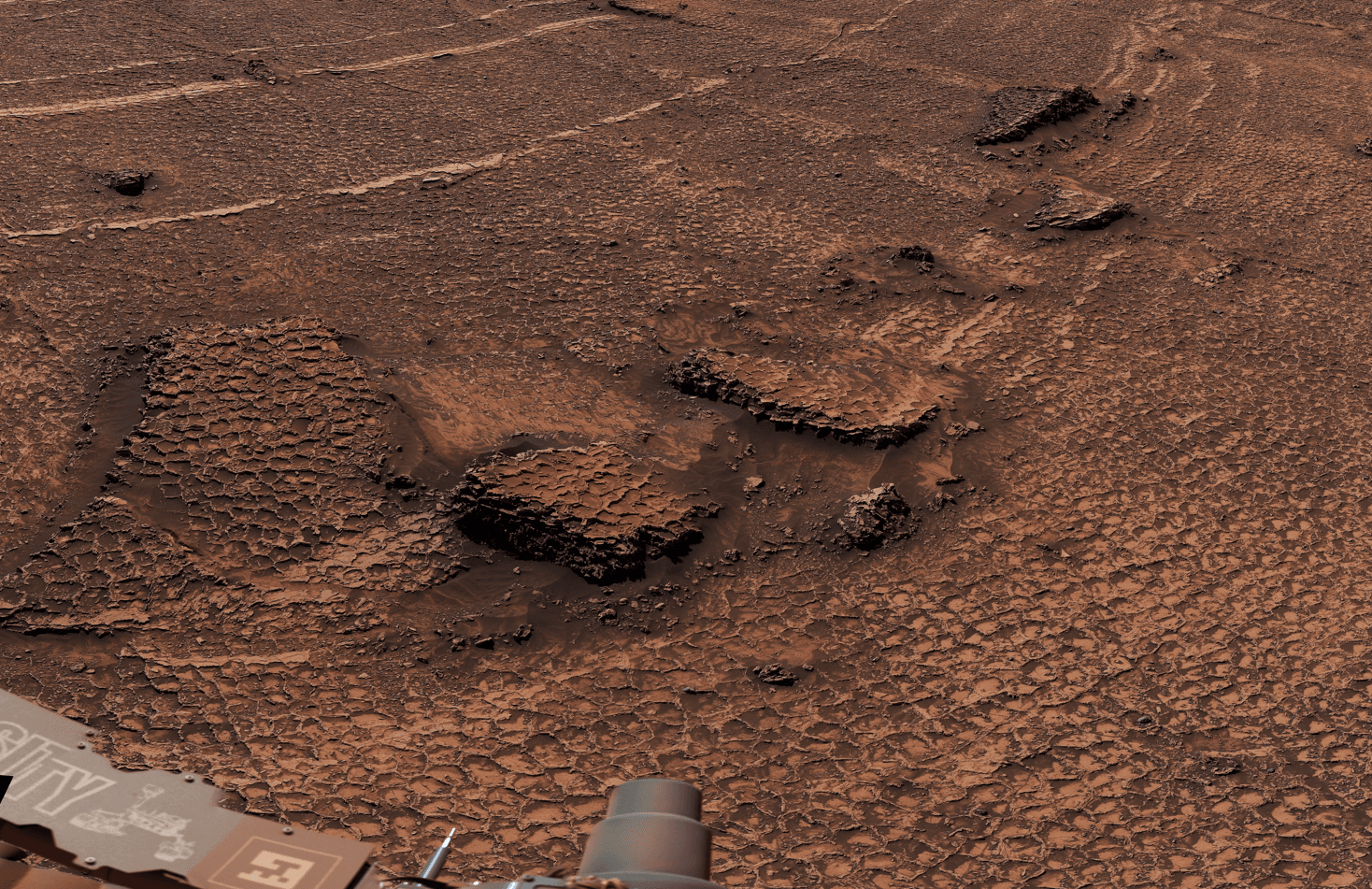 ScienceBlog
Science Snapshots: September 6, 2026 - The Hindu
• Researchers developed a new blood drying protocol to detect the Zika virus without using expensive purification equipment. • The method uses a heater and a low-cost sensor to shield RNA from enzymes, delivering results in two hours with accuracy comparable to top labs.
Read original · thehindu.comMany space missions are searching for life beyond Earth – but are we prepared for the fallout if they succeed?
• NASA and the European Space Agency have launched uncrewed probes, including the Europa Clipper and Jupiter Icy Moons Explorer, to search for life-sustaining conditions on Jupiter's moons. • Researchers are combining data from these probes with findings from the James Webb Space Telescope and future missions to Saturn's moon Enceladus to identify microbial life.
Read original · theconversation.com The Conversation
The best new popular science books of September 2026 include new titles by Carlo Rovelli and Xand van Tulleken
• Major science authors including Carlo Rovelli, Xand van Tulleken, Maggie Aderin, and Jim Al-Khalili released new books in September 2026. • Carlo Rovelli's new title argues that philosophers have not yet caught up to the revolution brought about by quantum physics.
Read original · newscientist.com New Scientist