Atmosphere (ROSES A.14) - NASA Science
- NASA is seeking virtual panelists and/or external reviewers for Atmosphere, a program designated as ROSES A.14.
- The program is looking for participants to provide feedback and review proposals, with the goal of advancing scientific research in the field of atmosphere science.
- This opportunity allows individuals to contribute to the development of NASA's atmosphere-related research projects and initiatives.
- The next step for interested participants is to submit their applications to become virtual panelists or external reviewers for the Atmosphere program.
Sources & Citations
1 sourceMore Stories
Space Weather Living History: Dr. Ernie Hildner - NASA Science
• Dr. Ernie Hildner, a solar physics expert, reflected on his career in a 2013 interview, which included serving as Chief of the Solar Physics branch at NASA's Marshall Space Flight Center. • He spent 19 years as the Director of NOAA's Space Environment Center, now known as the Space Weather Prediction Center, where he oversaw significant scientific discoveries and technological advancements.
Read original · science.nasa.govCrew Studies Medicine and Physics, Works on Spacesuits and Earth Photo Gear - NASA
• The Expedition 75 crew members conducted research activities aboard the International Space Station on Wednesday, focusing on vein scans, ultra-hot physics, and Earth observations. • Crew members performed tasks such as swapping out spacesuit components and servicing life support gear to maintain the station's systems.
Read original · nasa.govNew Scientific Discoveries Unveiled Today – ChaseDay.com
• ChaseDay.com has unveiled new scientific discoveries today on its platform that explores the latest research and innovation. • The team of experts has been reviewing the findings and their connections to broader articles on physics, chemistry, and environmental science to break down the core implications.
Read original · chaseday.com Chaseday
Breakthrough Research Reveals New Scientific Discoveries Today – ICO Optics
• Researchers have made recent breakthroughs in photonics and physics, reshaping our understanding of the universe and its fundamental interactions. • These studies have offered novel insights into how light and matter interact, spanning cosmic formation theories and revolutionary optics engineering applications.
Read original · ico-optics.org ICO Optics
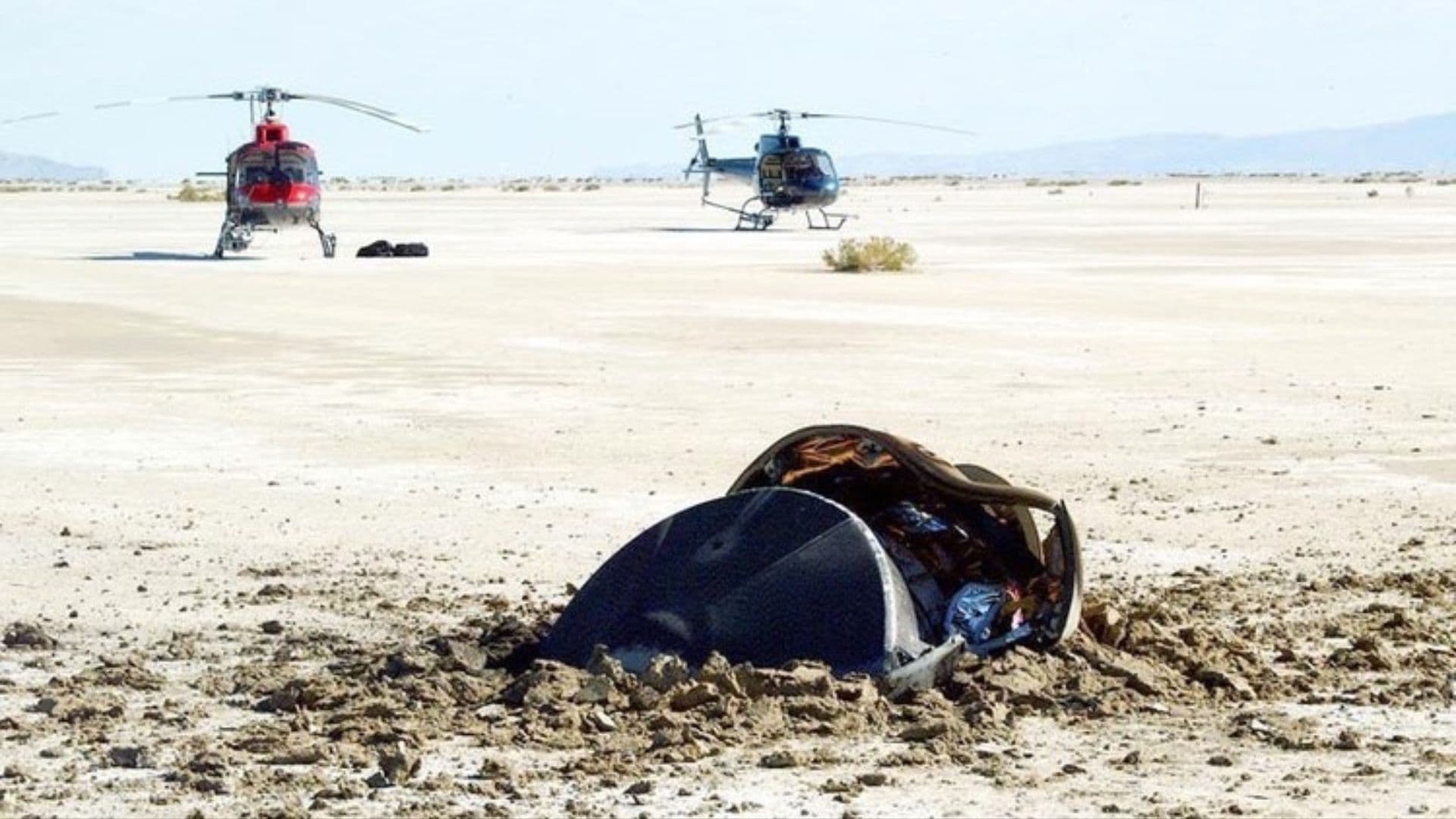
On this day in space! Sept. 8, 2004: NASA's Genesis spacecraft crashed in the Utah desert, shattering its samples of solar wind particles from the sun
• NASA's Genesis spacecraft crash-landed in the Utah desert on September 8, 2004, after its parachutes failed to deploy. • The mission was the agency's first attempt to return samples to Earth since the Apollo 17 mission in 1972.
Read original · space.com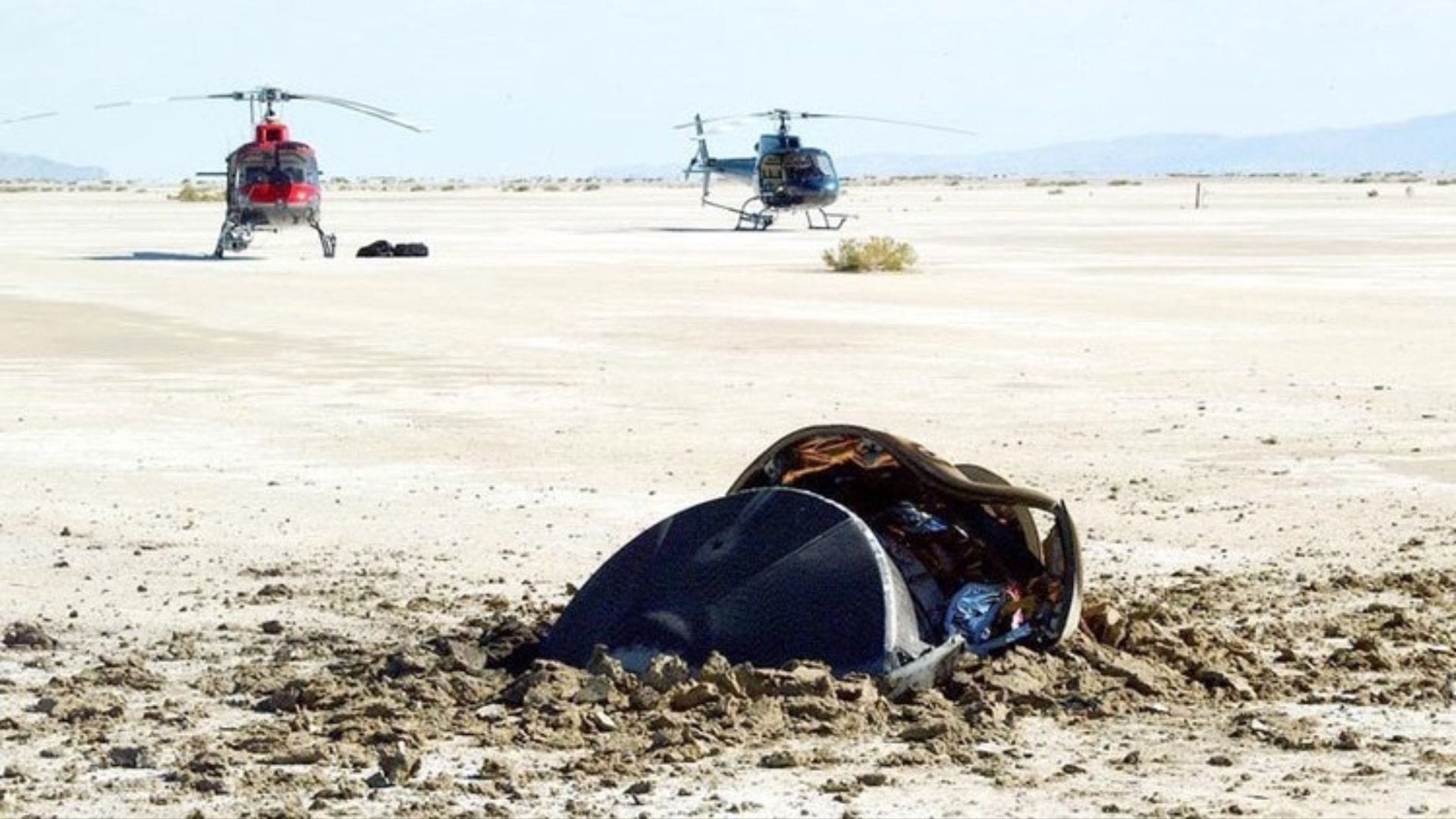 Space.com
Most distant supernova: James Webb sees a star explode at cosmic dawn
• Scientists used the James Webb Space Telescope to detect the most distant supernova ever seen, which exploded when the universe was less than a billion years old. • The discovery was confirmed after a gamma-ray burst signaled the event, allowing researchers to isolate the blast from its faint host galaxy.
Read original · sciencedaily.com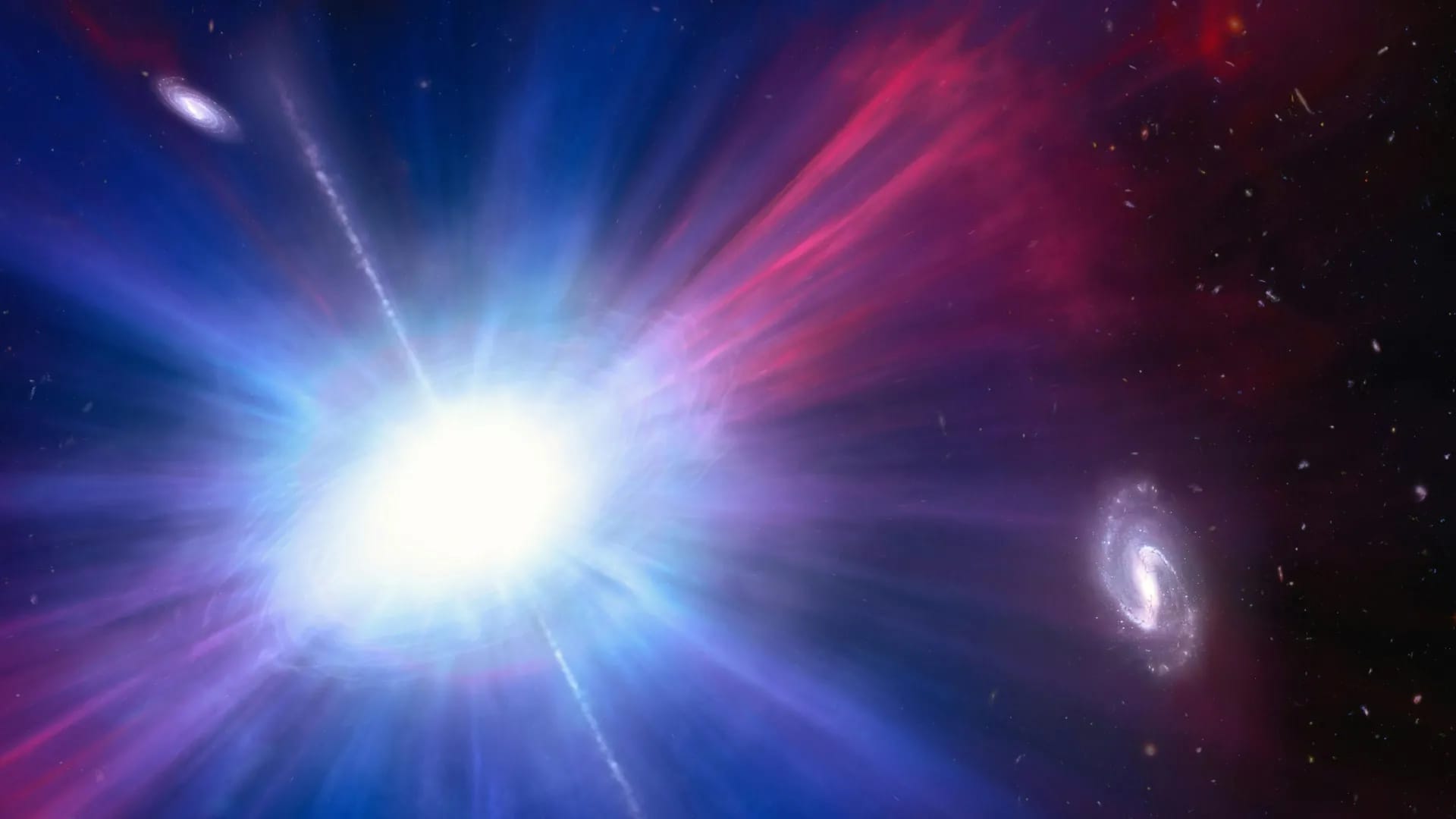 ScienceDaily
NASA Calls for Proposals to Accelerate Lunar Surface Technologies - NASA
• NASA announced a call for proposals on Tuesday, Sept. 8, to develop the technology and infrastructure required to establish a Moon Base in the lunar South Pole region. • The solicitation targets specific capability gaps such as power generation, oxygen extraction, and the production of construction materials on the lunar surface.
Read original · nasa.gov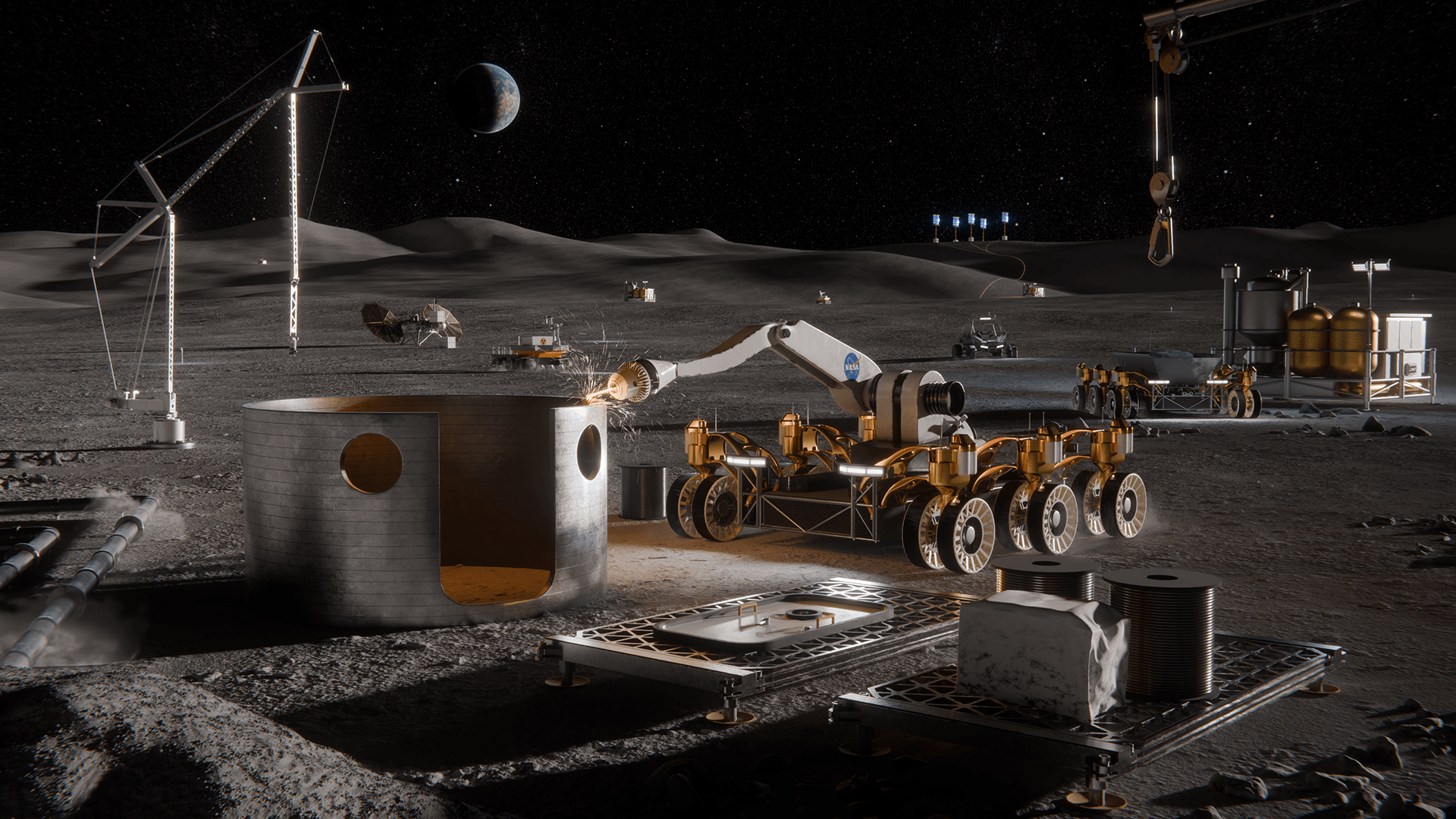 NASA
NASAStarwashing promotes space projects without addressing costs
• Space companies are using "starwashing" to promote space exploration projects while ignoring the environmental costs of their activities. • These firms build public support for expanding past Earth without taking accountability for the ecological damage caused by launches and debris.
Read original · theweek.com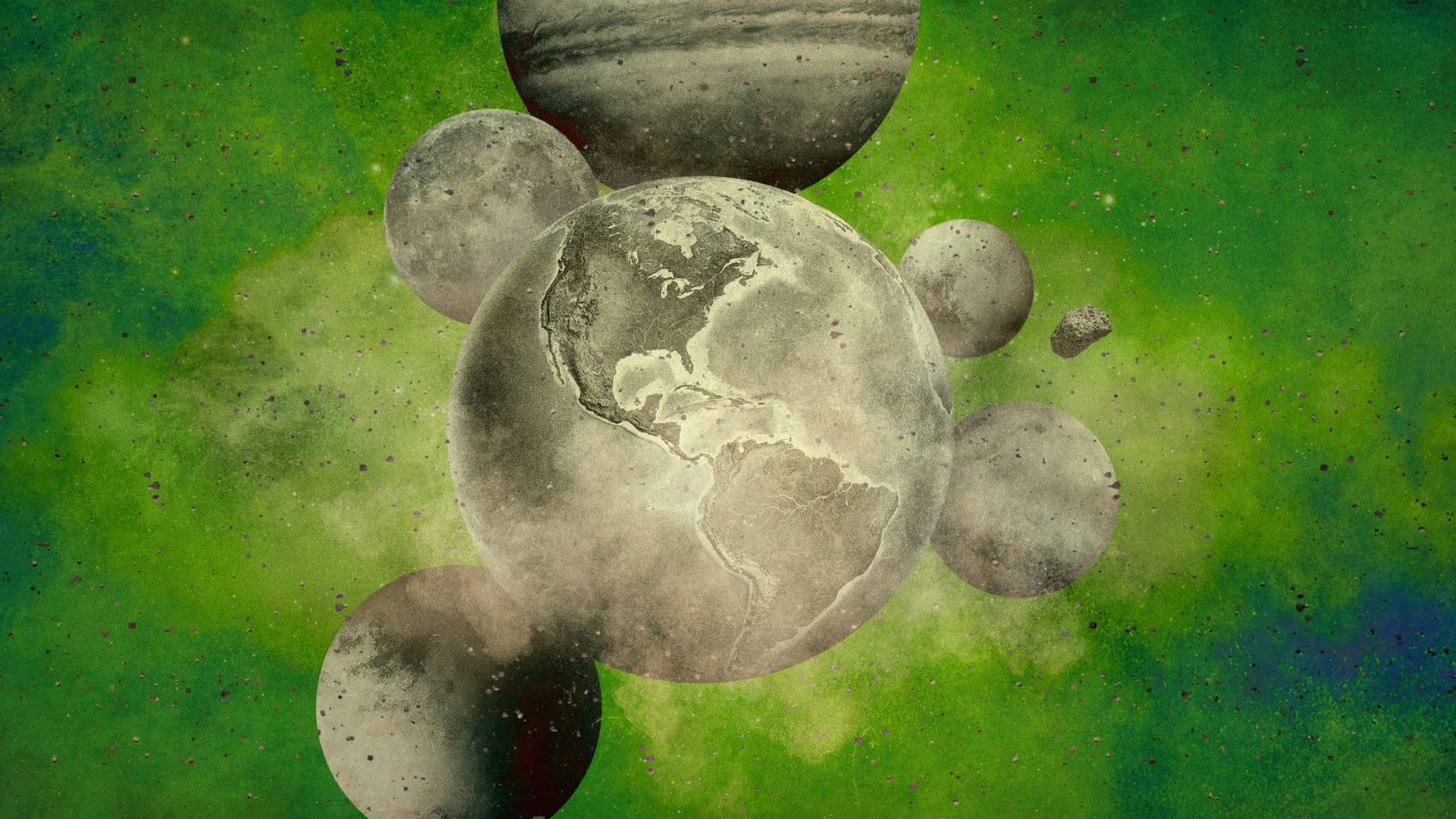 The Week
This cosmic particle was never meant to reach Earth. Now, scientists think they finally know why it did
• Researchers analyzed a mysterious photon from a massive gamma ray burst detected in 2022 that unexpectedly reached Earth. • The particle survived a journey through space that should have destroyed it according to current physics models.
Read original · scientificamerican.com Scientific American
Evolutionary Biology News -- ScienceDaily
• Researchers discovered that songbirds evolved through rare bursts of rapid change separated by long periods of slow development. • These evolutionary explosions frequently aligned with major climate shifts, indicating that environmental upheaval drives biological reshaping.
Read original · sciencedaily.comData centers in space: Four big obstacles and Elon Musk's ambitious timeline
• SpaceX CEO Elon Musk is planning to launch orbital data centers by late 2027 to support the growing infrastructure needs of artificial intelligence. • Other industry observers disagree with this timeline, suggesting that significant scale for space-based computing is more likely to arrive in the 2030s.
Read original · cnbc.com